Travel Guide: Best things to do in Kyoto, Japan
Kyoto was one of our favourite places to explore. There is so much to see here, from huge temples and shrines to traditional streets, markets and some of the most famous sights in the country.
One of the best things we did was hire electric bikes, you just have to download an app (a bit like a Lime bike in London) put your destination in google maps and then off you go. Some of Kyoto’s big attractions are quite spread out, and cycling gave us the freedom to explore at our own pace rather than constantly jumping on and off public transports. It also gave us the option to stop at random coffee shops or bakeries.
We visited Kyoto as part of our two-week trip around Japan in April 2026, our full itinerary can be seen here. Below are the places we visited in Kyoto and what we actually thought of them.
Fushimi Inari Shrine
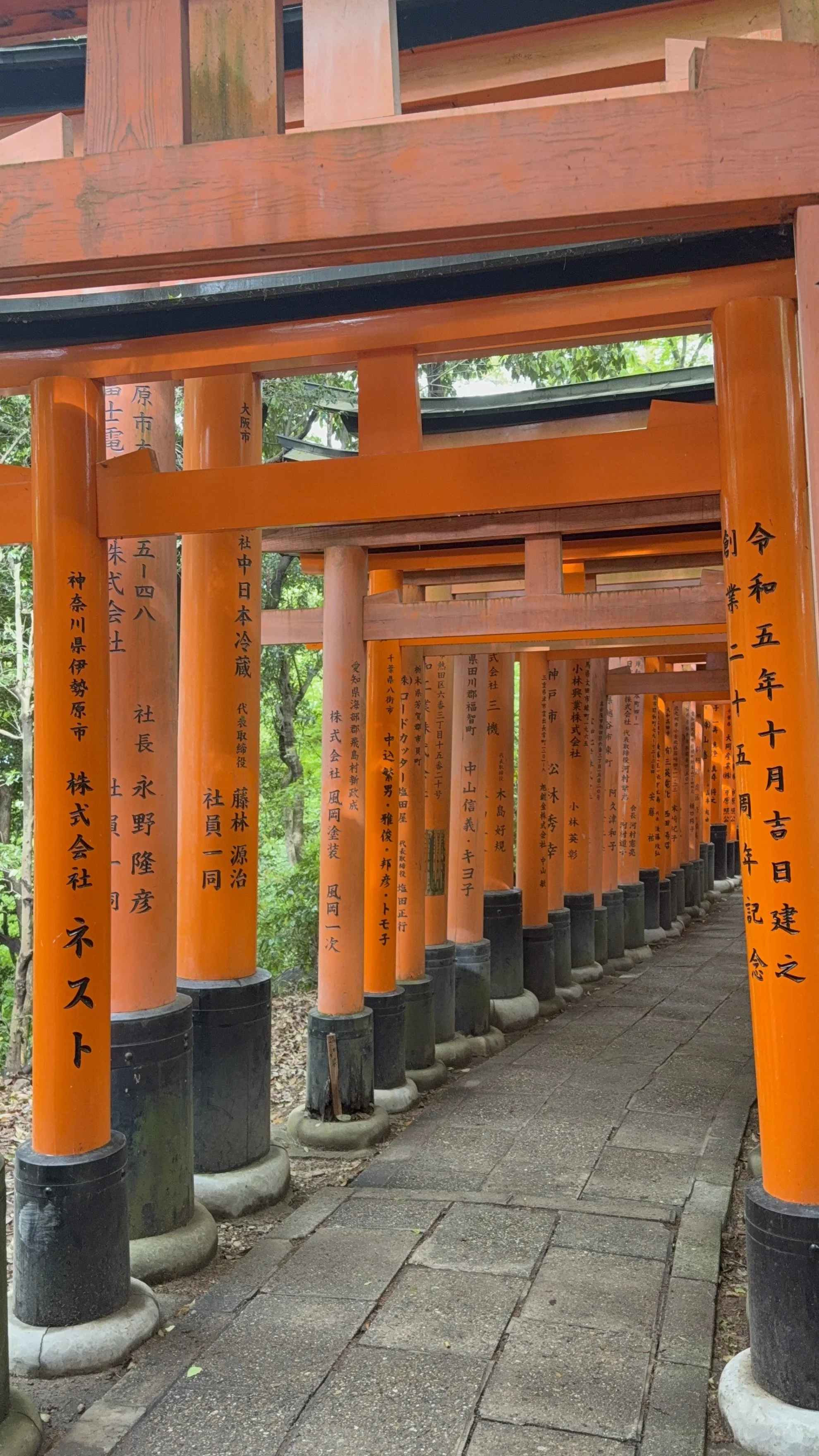
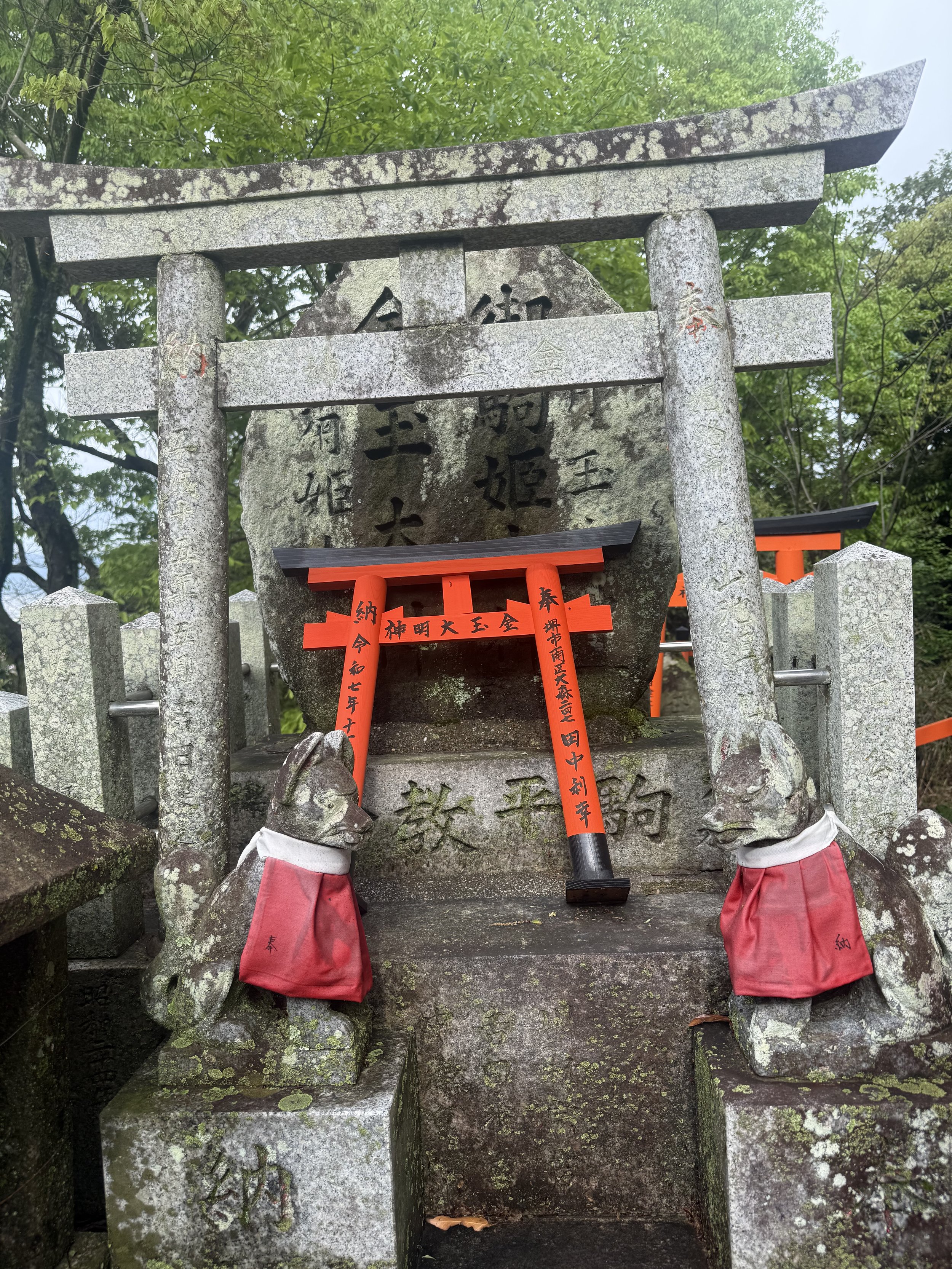
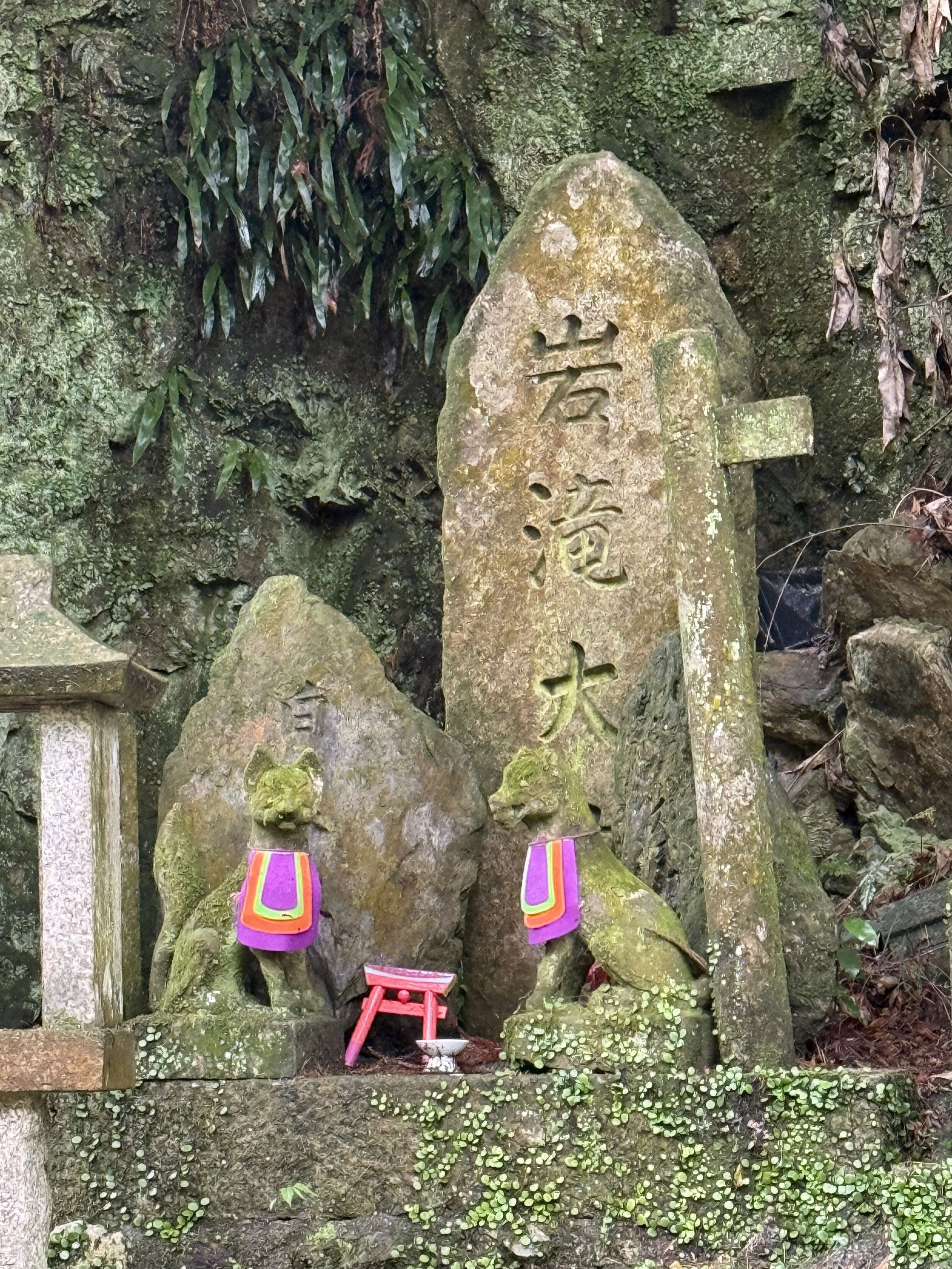
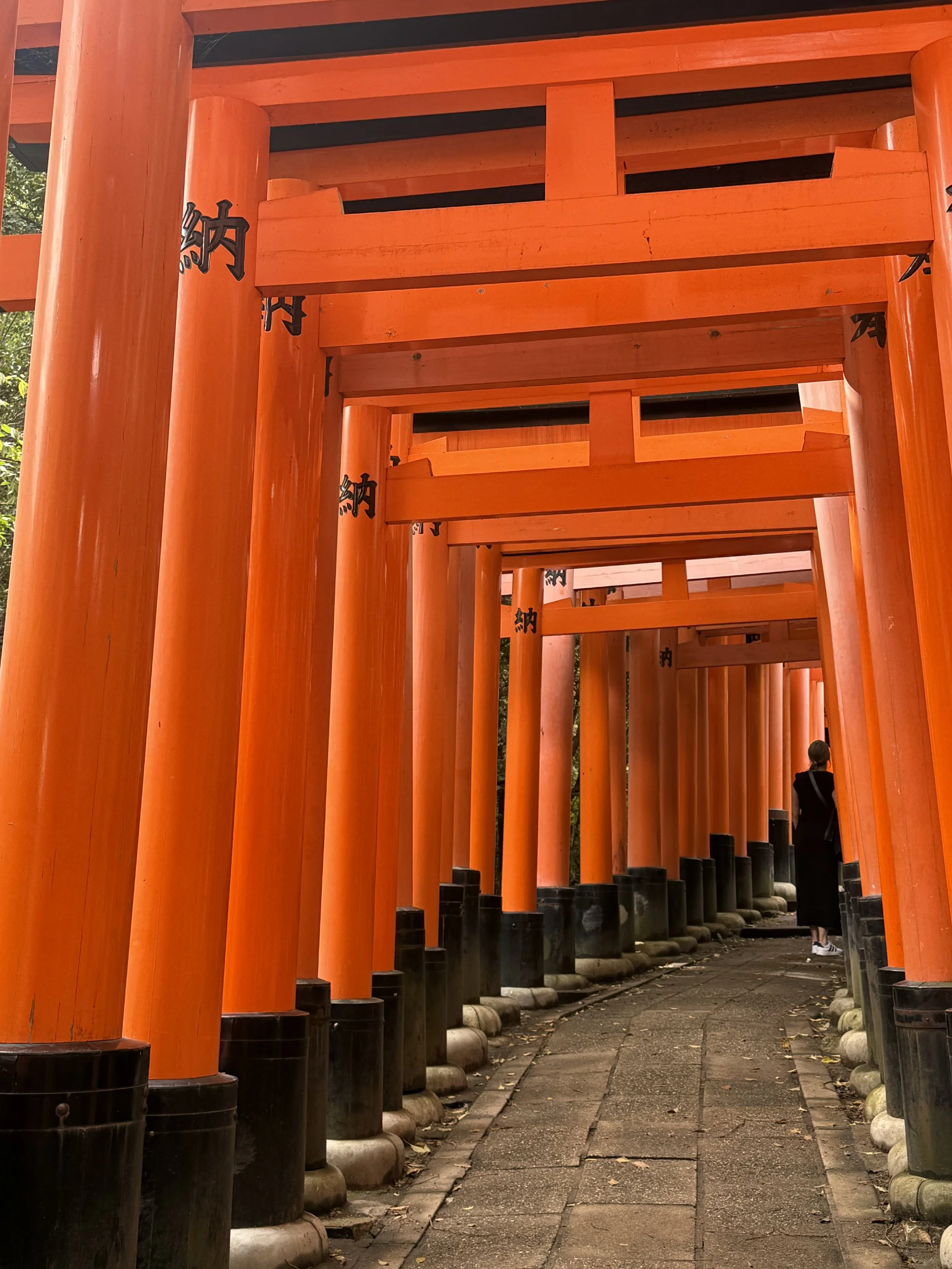
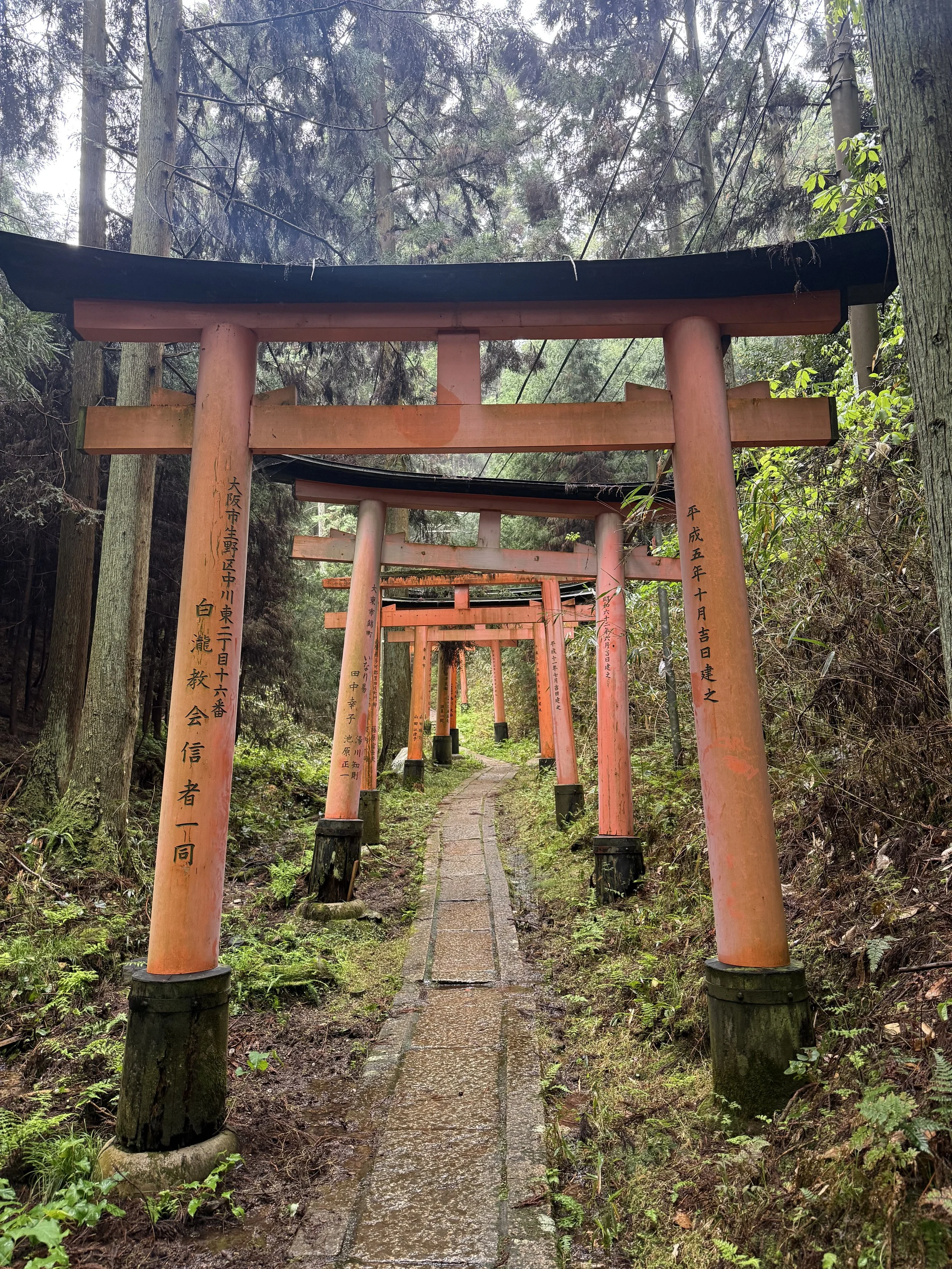
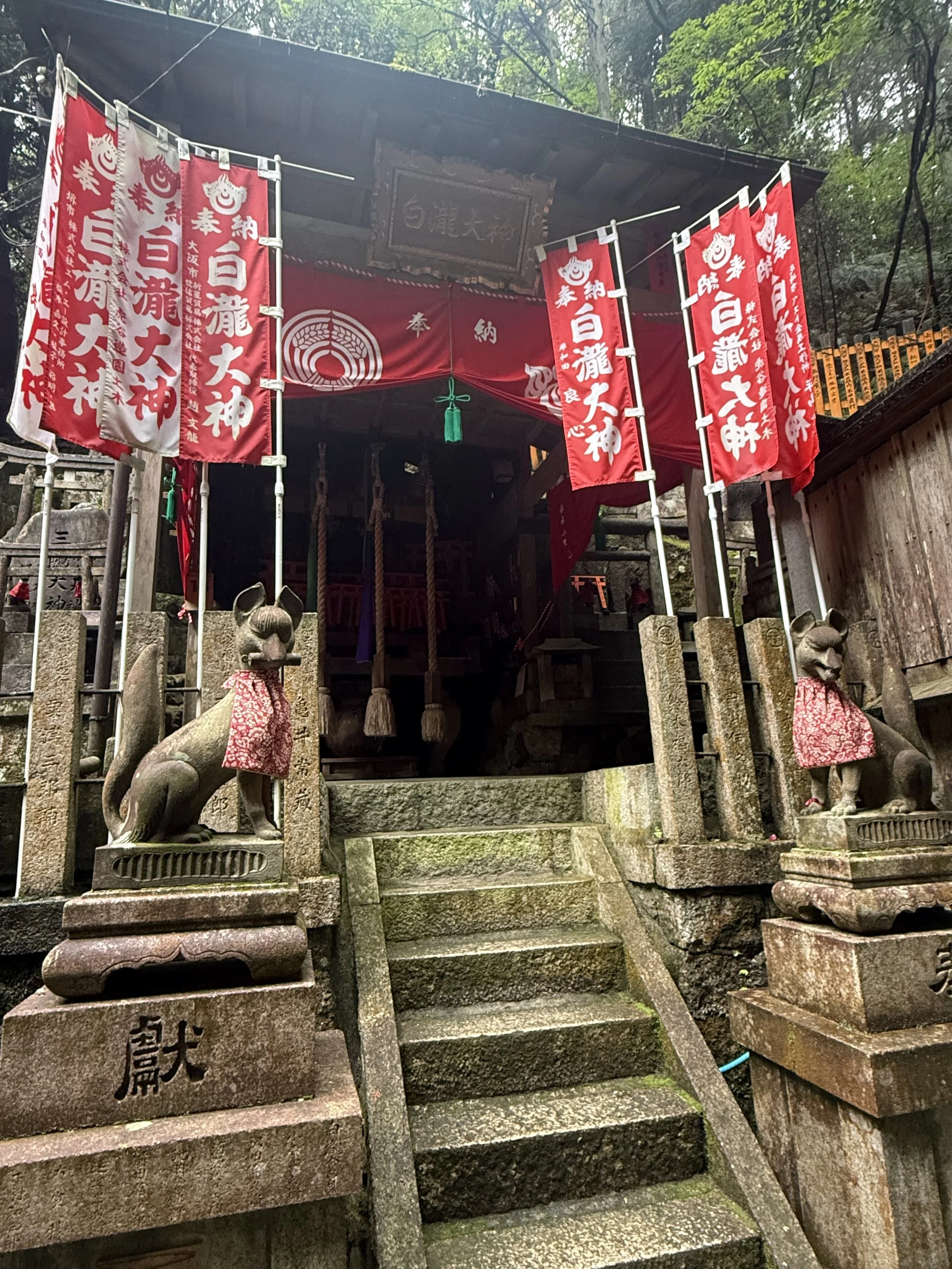
Fushimi Inari Shrine (伏見稲荷大社, Fushimi Inari Taisha) is an important Shinto shrine in southern Kyoto. It is famous for its thousands of vermilion torii gates, which straddle a network of trails behind its main buildings. The trails lead into the wooded forest of the sacred Mount Inari, which stands at 233 meters and belongs to the shrine grounds.
It can get incredibly busy so we decided to be at the trail start point for 8am and do the route in reverse, this was the best decision we made because we missed all the crowds for the majority of the walk. I’ll put the map below, but we did 3.5miles in just under 2 hours.
Our start point was Kyoto Trail Station 4 Higashiyama, this was just a 3mile bike from our hotel and took around 20 minutes.. At the start of the hike we went through the shrines and headed up the mountain, we then went to Fushimi Inari Shrine and out of the main entrance/exit. We did then continue our walk to the nearest McDonald's - Takeda-kaido Street, 51-10 Fukakusa Shimogawaracho, Fushimi Ward (their pancakes are out of this world!!) where we got a late breakfast and pound an electric bike to explore the next place.
Key tip: Get there early! This is one of Kyoto’s most popular attractions and the lower sections of tori gates can become incredibly busy.
Getting to Fushimi Inari Shrine
Fushimi Inari Shrine is located just outside JR Inari Station, the second station from Kyoto Station along the JR Nara Line (5 minutes, 150 yen one way from Kyoto Station). The shrine can also be reached in a short walk from Fushimi Inari Station along the Keihan Main Line. More info can be found here.
If you cycle, you will be able to follow google maps and then leave the bike at a hub.
Hours: Open 24 hours
Admission: Free
We didn’t do this however you can experience a traditional maiko/geisha or kimono makeover right near Fushimi Inari Taisha at specialized studios which are located a one-minute walk from Inari Station.
Gion
Gion is Kyoto’s premier historic geisha district, it is renowned for its well-preserved narrow streets lined with machiya (traditional wooden merchant houses), exclusive ochaya (tea houses), and red-lantern-lit alleys.
We recommend you don’t over plan this one, this is a place that’s best explored by simply walking around and seeing what you come across. You might see seiko or maiko travelling between appointments. Please remember that there are some restrictions on photography in some of the private streets (you’ll see little signs letting you know).
You can pre-book things such as:
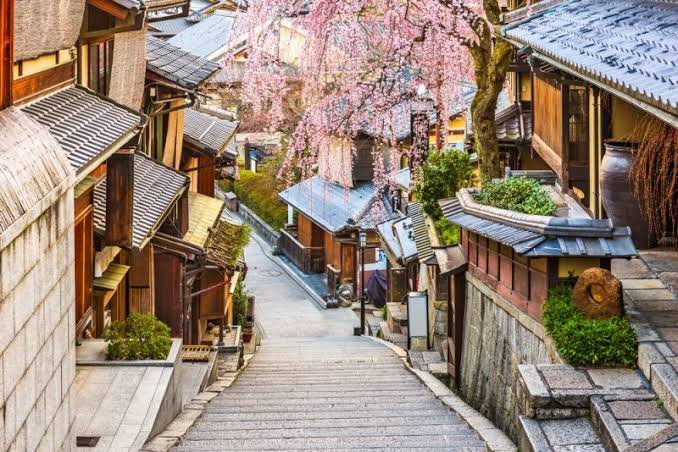
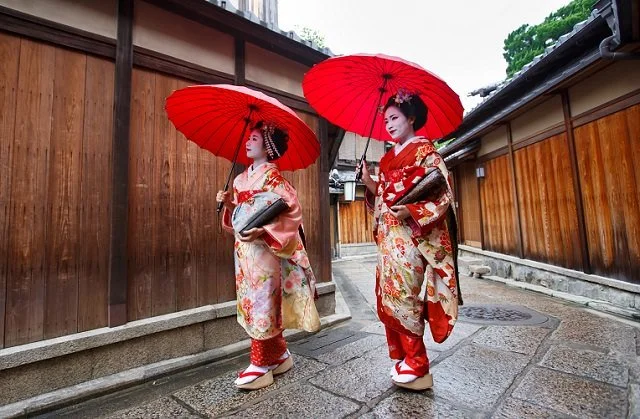
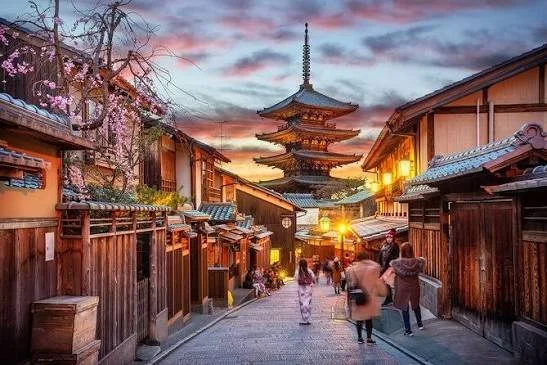
Due to the restrictions on photography in this area, I have taken these pictures from the internet - Tripadvisor, Japan Deluxe Tours and Japan Rail Pass.
Kinkaku-ji Golden Pavillion
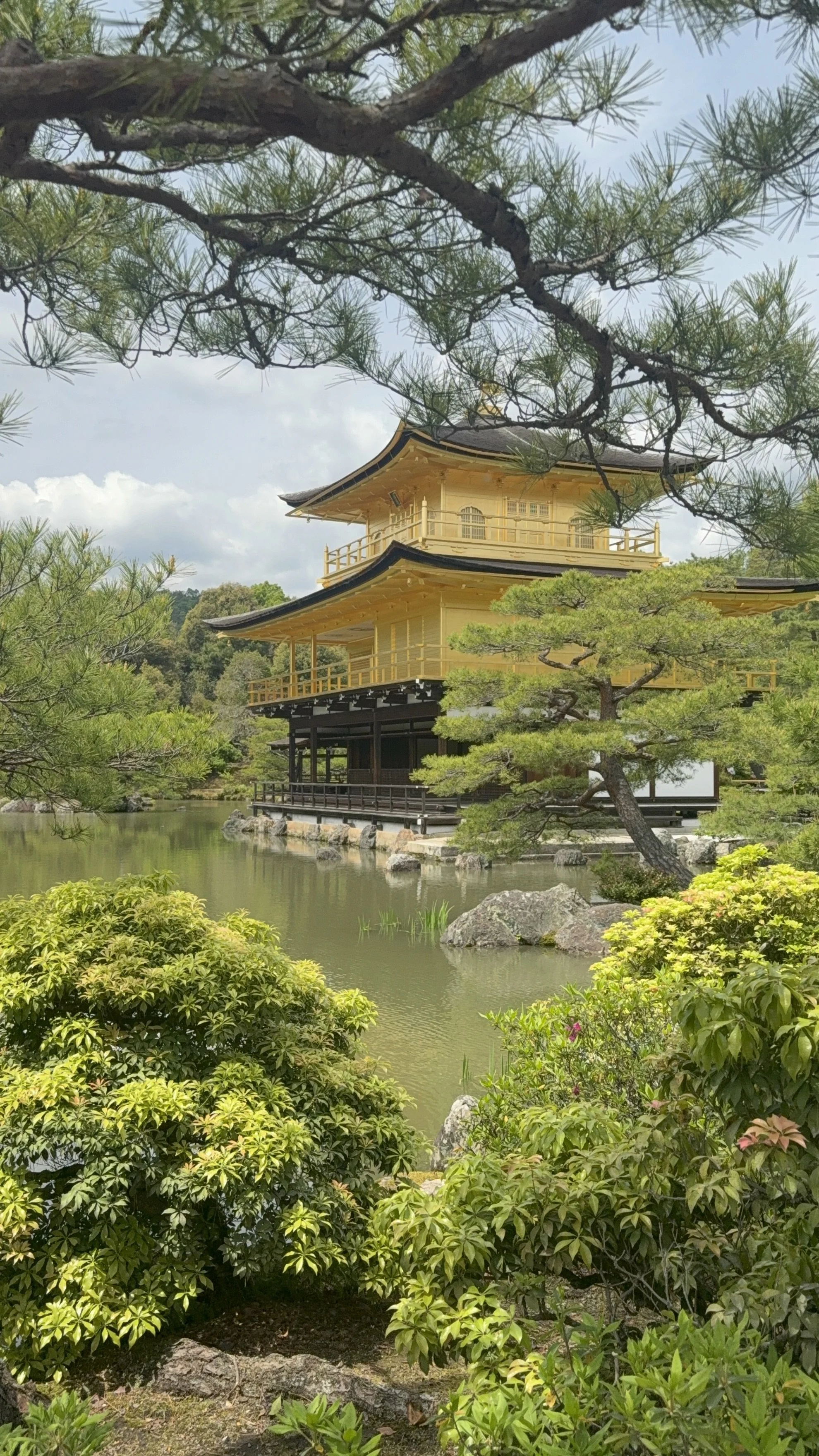
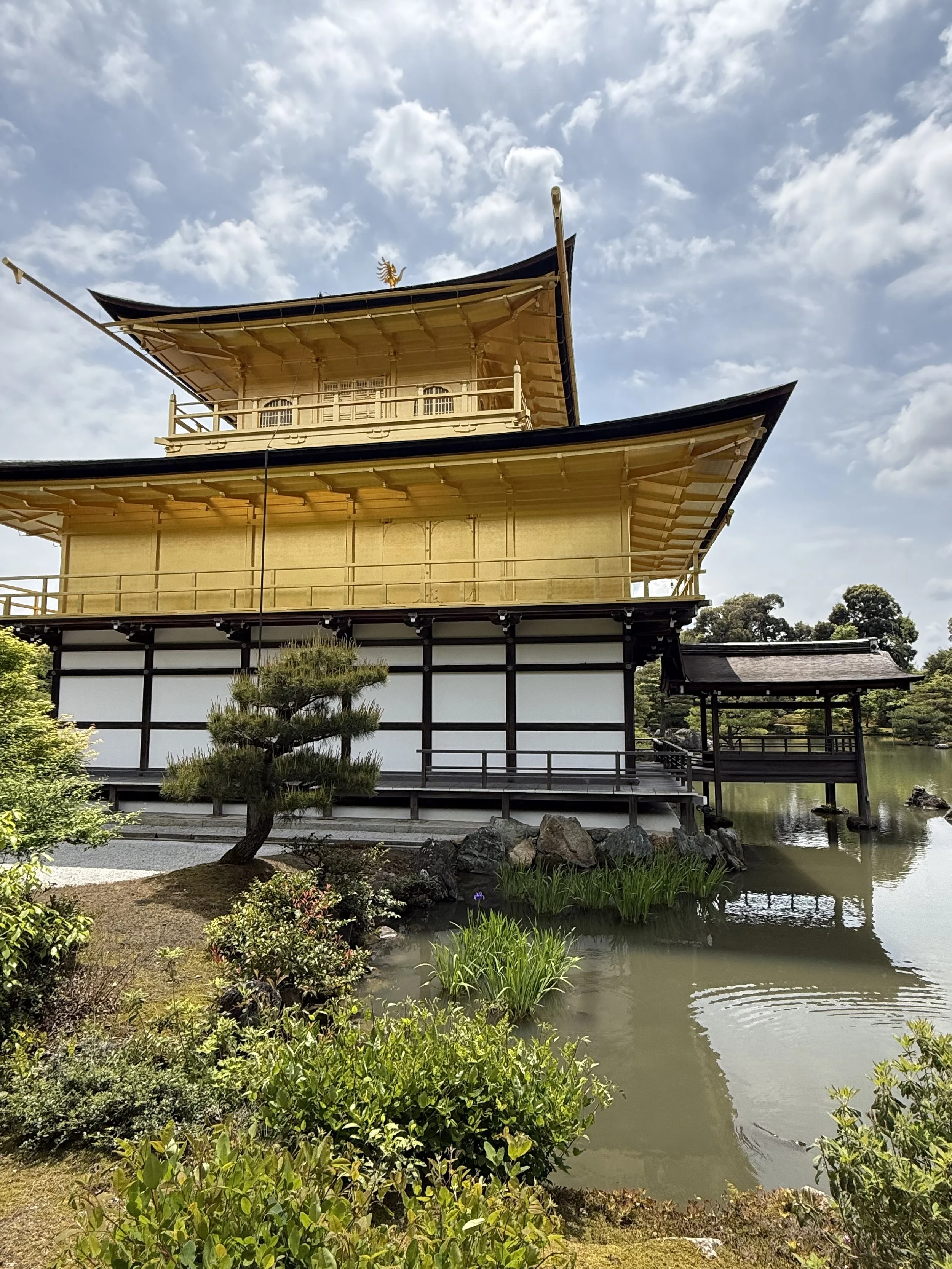
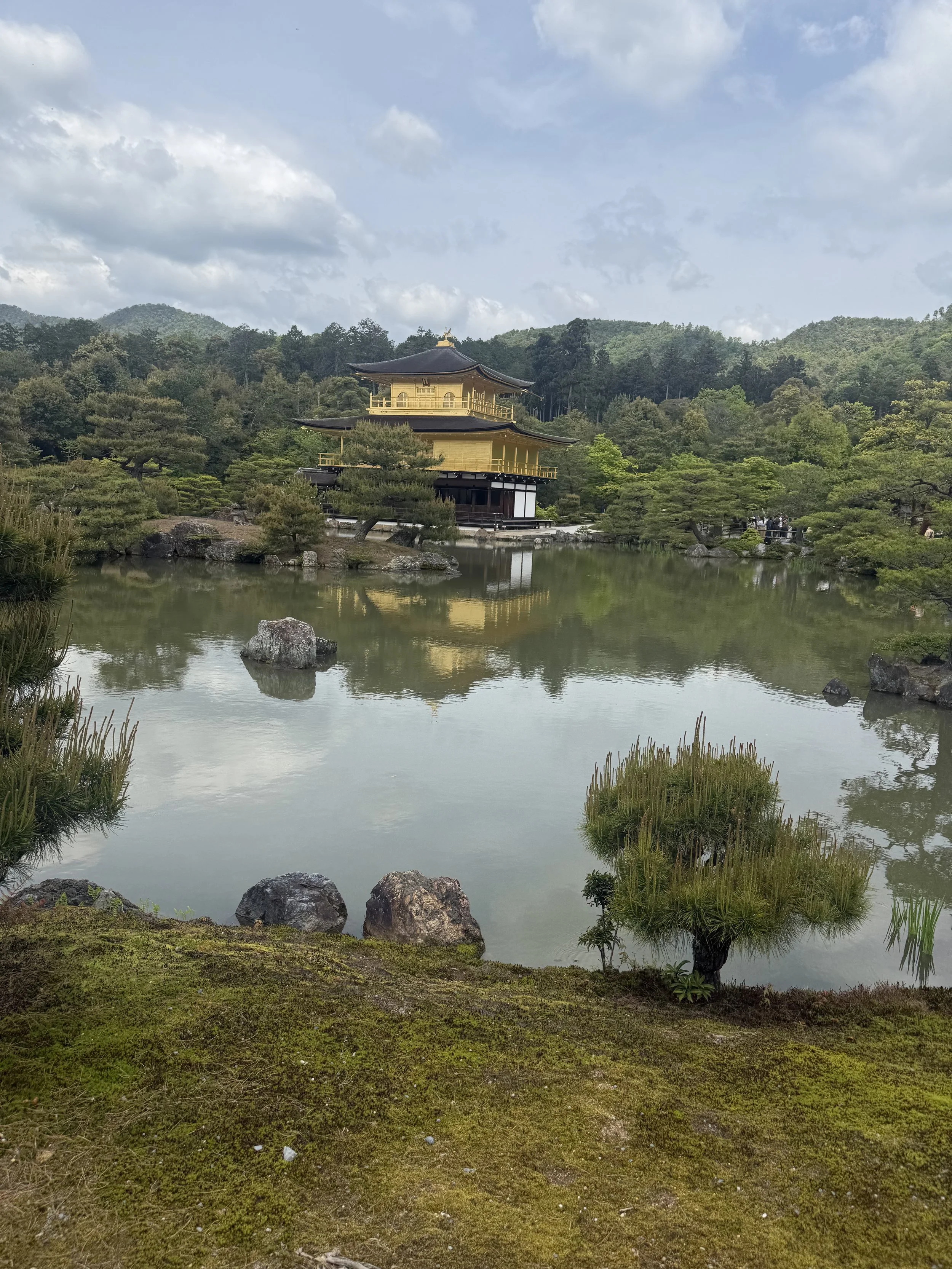
We’d seen Kinkaku-ji in so many photos before coming to Japan, but it’s genuinely more impressive in-person and you can see why it’s one of the most recognisable buildings in Kyoto. Kinkaku-ji, officially named Rokuon-ji, is a Zen Buddhist temple famous for its Golden Pavilion. Designated as a World Heritage Site, a National Special Historic Site, a National Special Landscape, and one of the 17 Historic Monuments of Ancient Kyoto.
The Golden Pavilion (Kinkaku-ji) was originally built by the shogun Ashikaga Yoshimitsu as his private retirement villa and guesthouse, and it was later converted into a Zen Buddhist temple after his death by his son. Ashikaga Yoshimitsu used the grand estate, named Kitayama-dono, as a retirement residence and place to display his immense political power in the late 14th century. The lavish guesthouse hosted the Emperor of Japan, foreign envoys from China's Ming Dynasty, and high-ranking nobles.
The building you see today isn’t the original, the pavilion was destroyed by a fire in 1950 and reconstructed in 1955.
We would happily state that this is a truly beautiful building that sits next to a spectacular pond.
Tea Culture on the Grounds: While formal tea ceremony architecture evolved slightly later in Japanese history, the temple grounds do feature a famous historic tea house called Sekka-tei, which was added later during the Edo period for tea gatherings overlooking the pavilion. Visitors today can also experience traditional matcha tea at a rest area within the garden grounds
The Architecture: The architecture of the Golden Pavilion is highly unusual because each of its three floors is built in a completely different style. Shogun Ashikaga Yoshimitsu designed it this way to symbolize a political hierarchy by placing the samurai and Zen Buddhist classes above the traditional imperial court.
Hours: Kinkaku-ji (including the main Golden Pavilion and the Sekka-tei tea house grounds) is open daily from 9:00 AM to 5:00 PM
Days: The temple is open 365 days a year, including all weekends and public holidays.
Admission: 500 yen
Typical Visit Duration: 15-45 minutes
Arashiyama Bamboo Grove
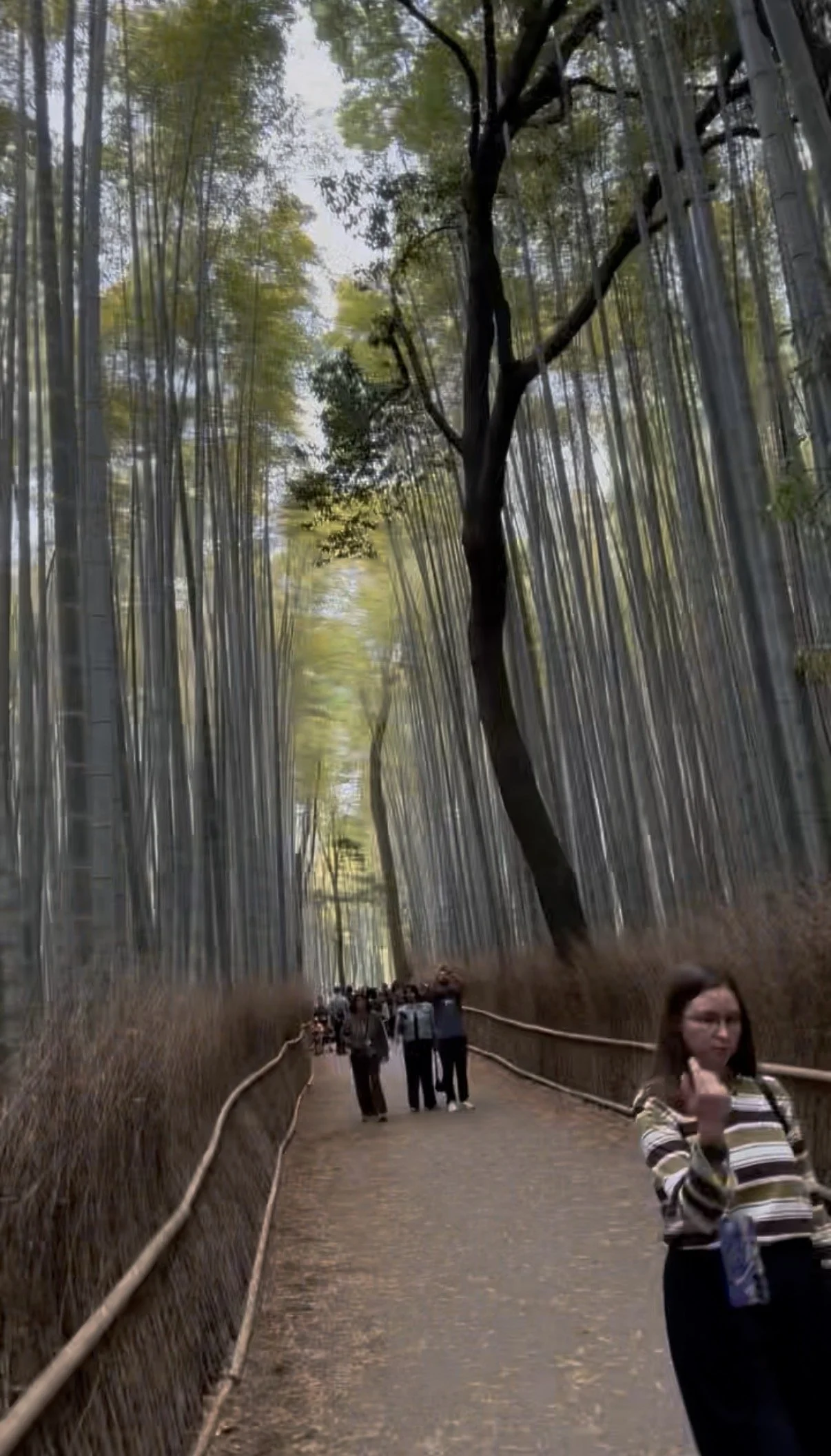
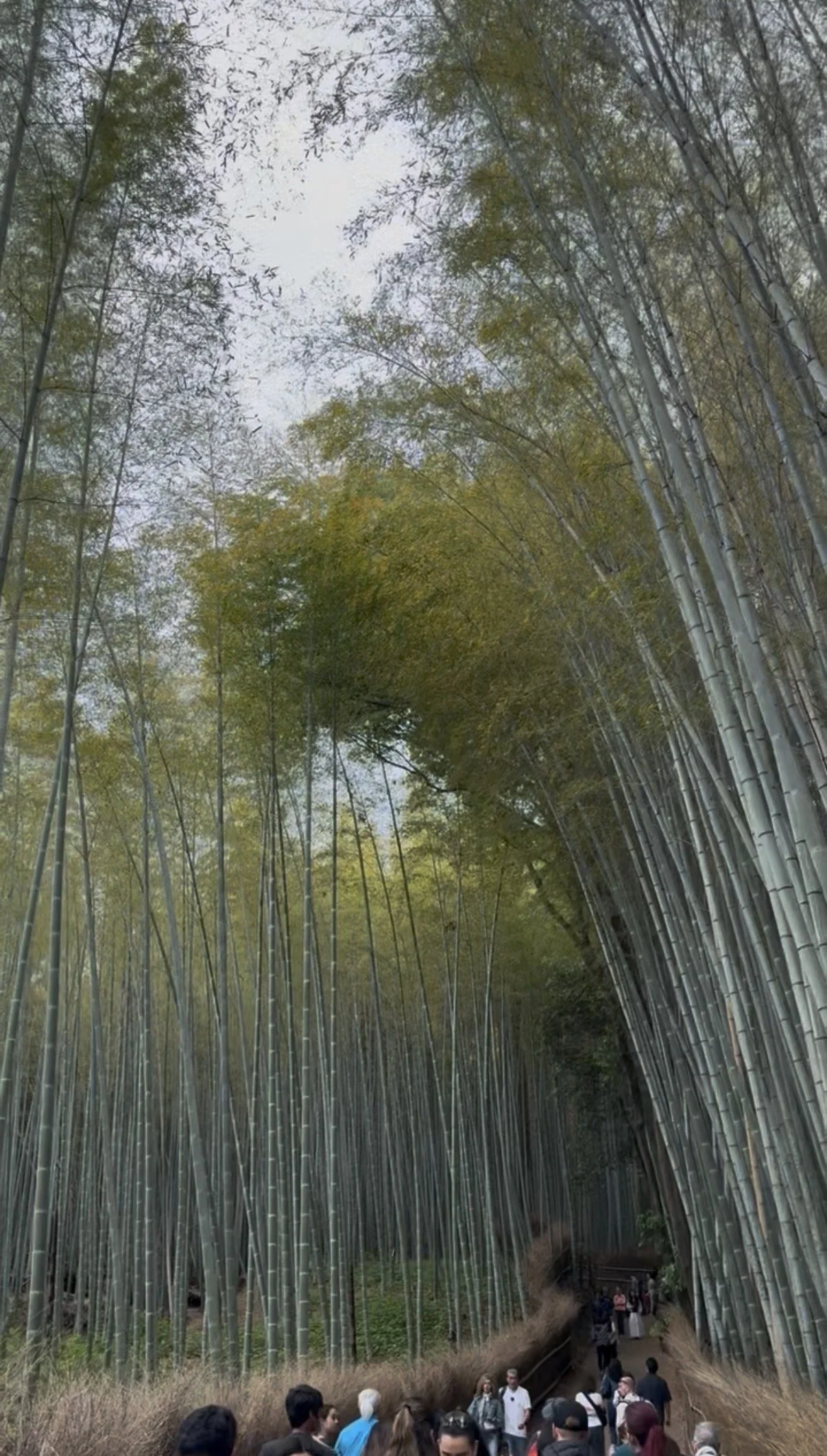
Probably one of the most photographed places in Kyoto, and for us, a little bit of a letdown.
We got up early and cycled out to Arashiyama to see the famous bamboo grove before it became too busy, however it seemed everyone else had the same idea. The photos you see on Instagram and TikTok make it look serene and beautiful, the reality was that it was a very short walk with many other tourists trying to take the ‘perfect’ picture for their social media.
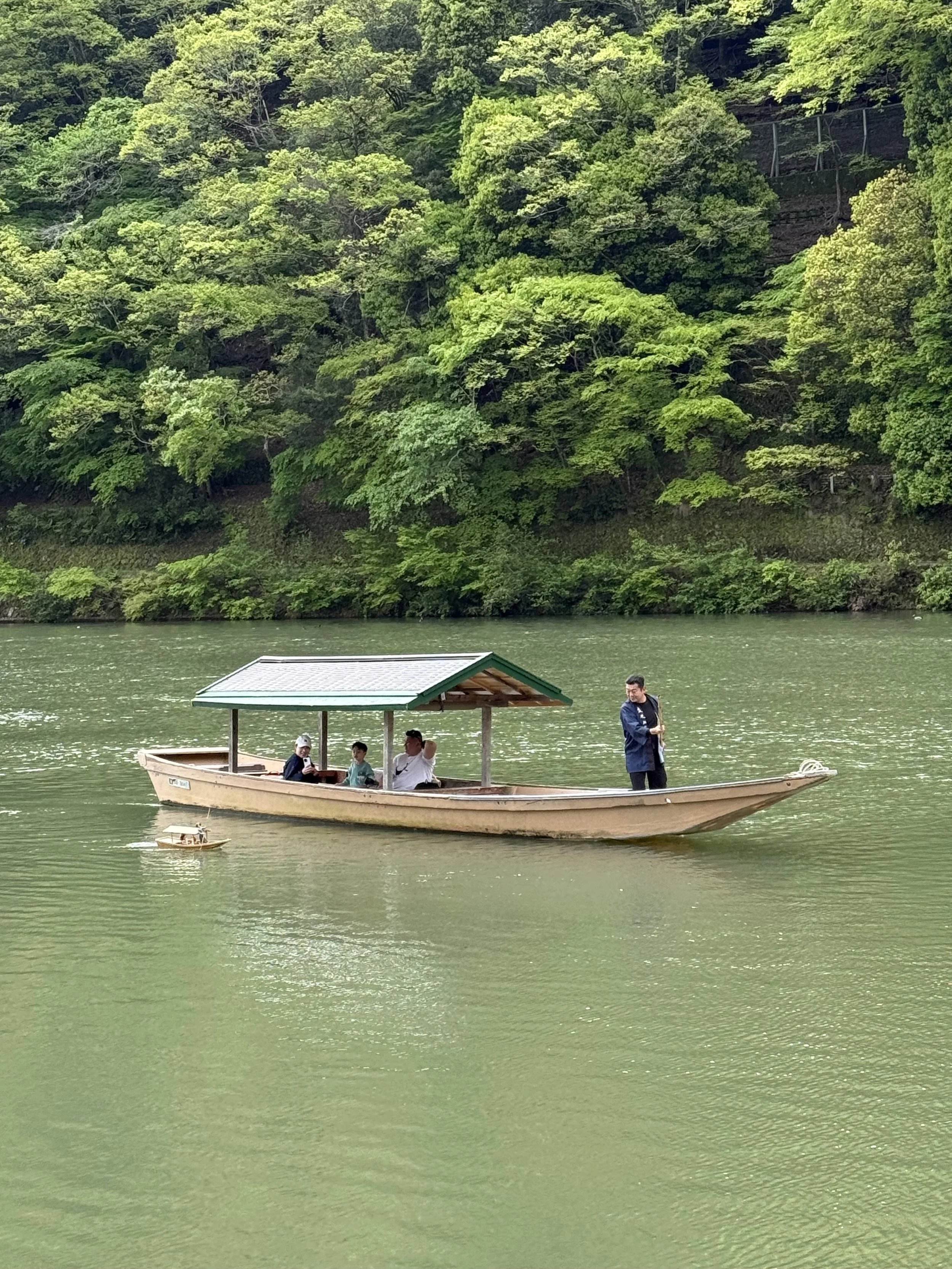
We are glad we saw it, but it wasn’t one of the highlights of Kyoto. If you’re making the journey to Arashiyama, we’d recommend exploring more of the surrounding area rather than travelling all that way just for the bamboo.
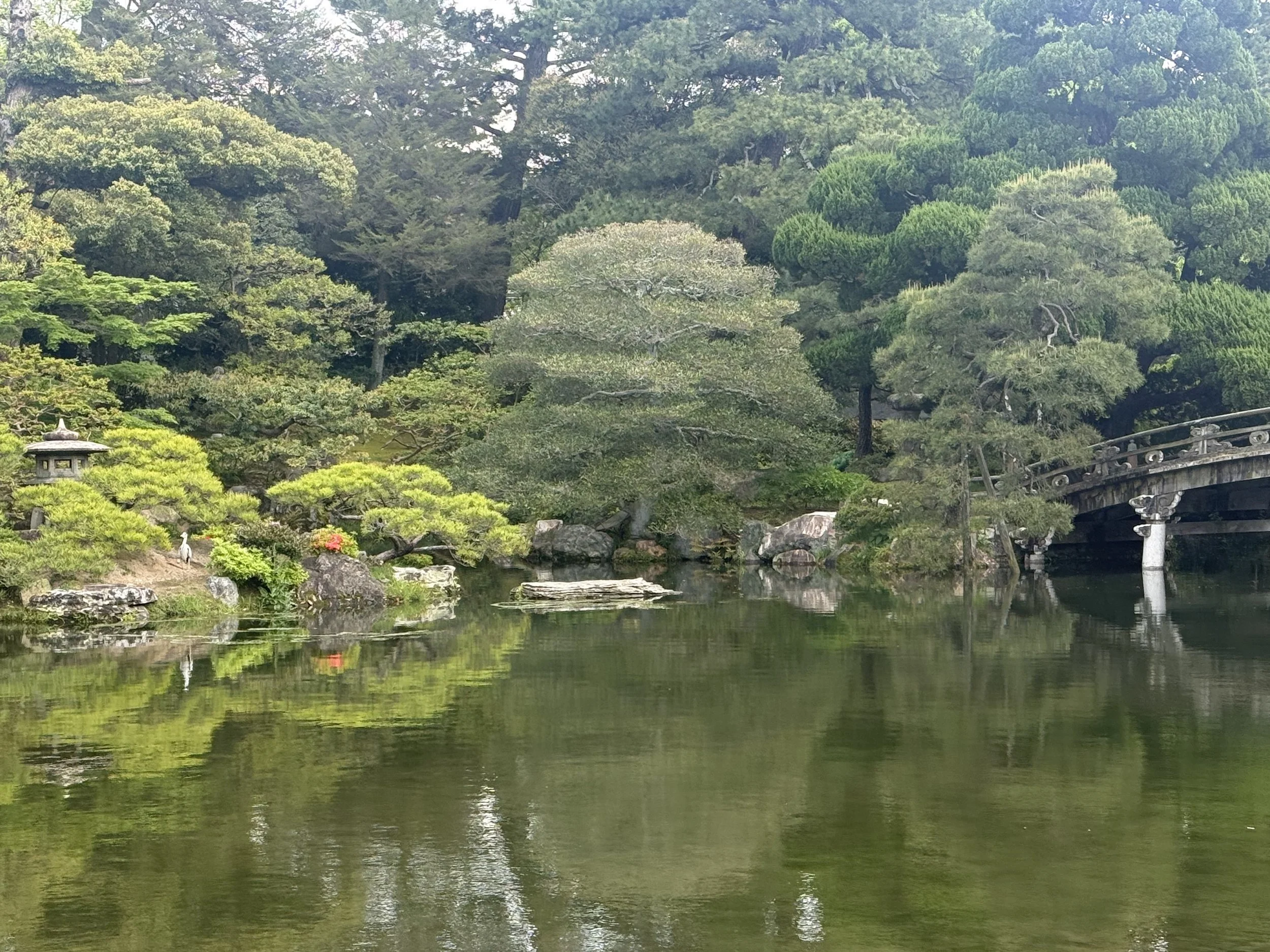
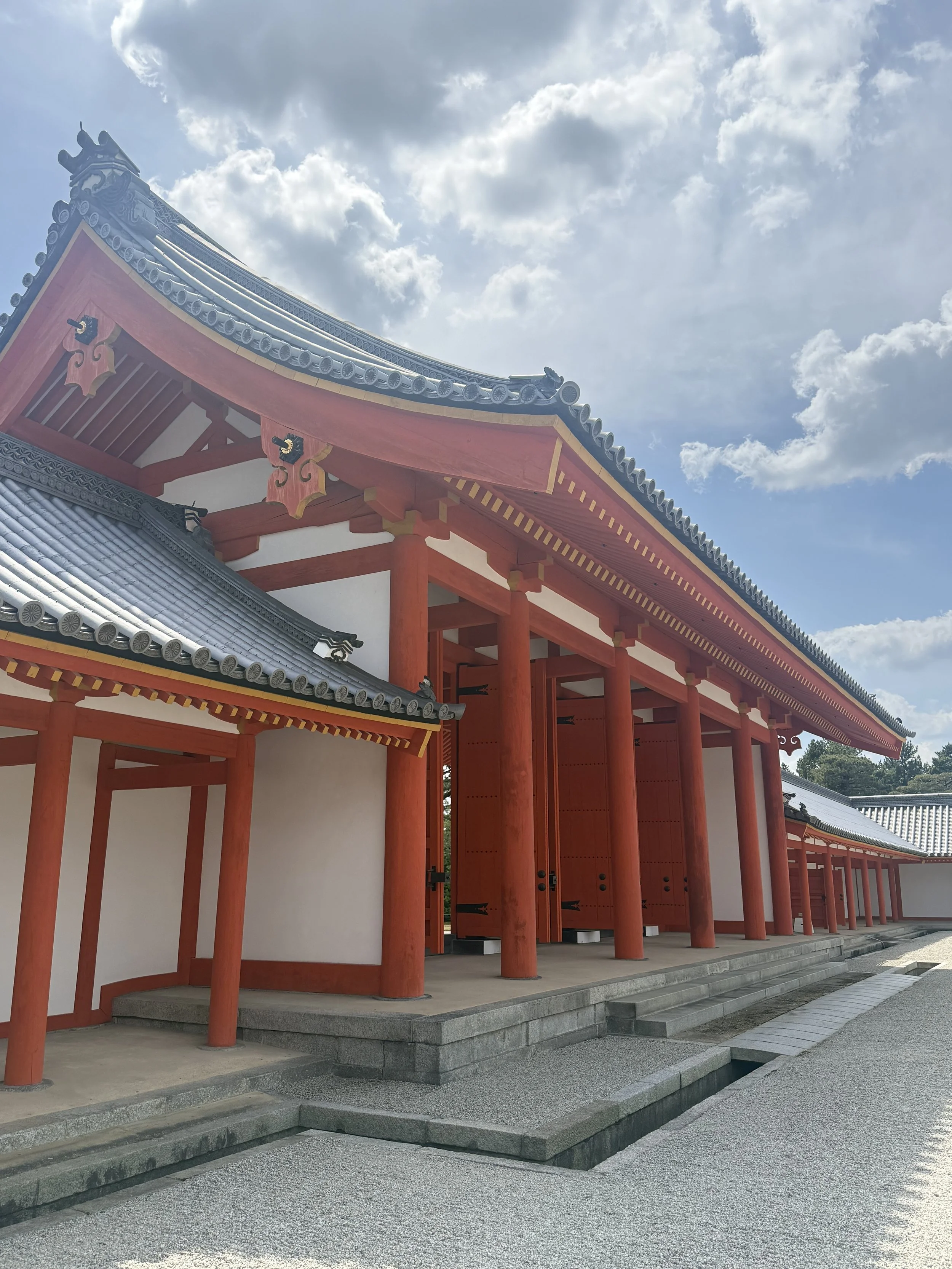
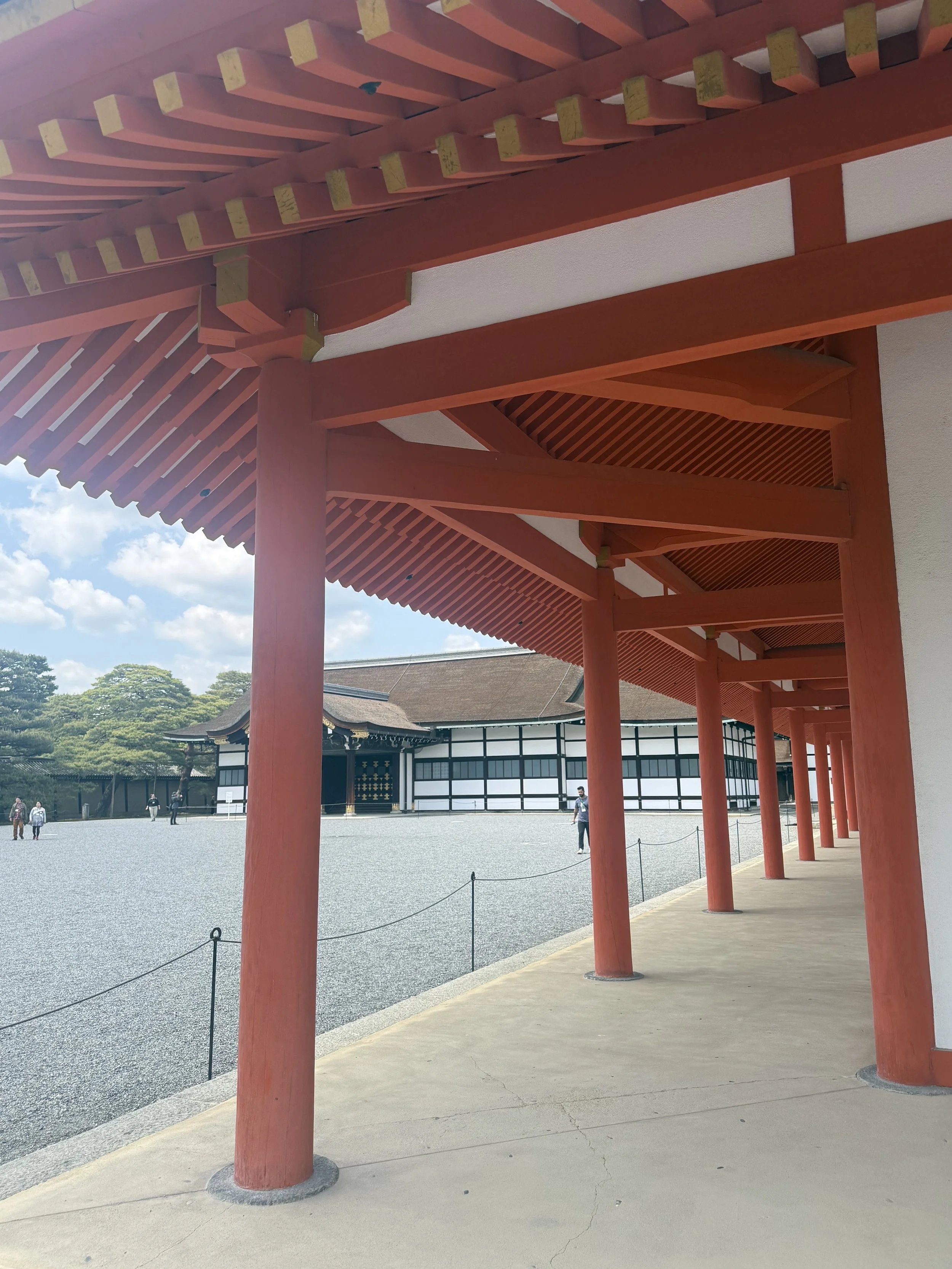
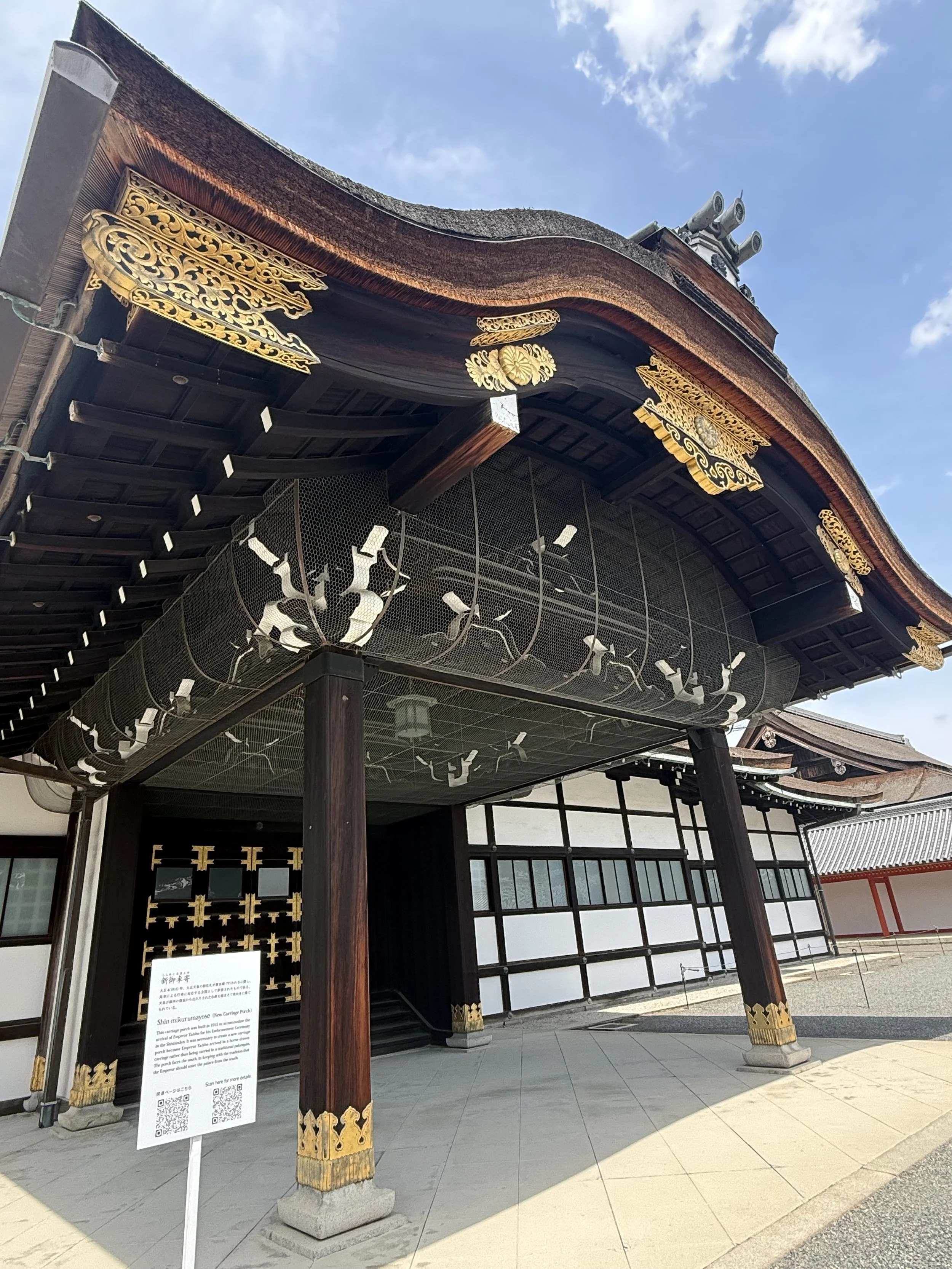
Kyoto Imperial Palace
Kyoto wasn’t always just Japan’s cultural capital, it was the actual imperial capital of Japan for more than 1,000 years. The Imperial Palace was the residence of Japan’s emperors until the capital moved to Tokyo in 1869. It sits within the Kyoto Gyoen National Garden and feels completely different from some of Kyoto’s busier attractions.
Admission: Free, with no advance reservation needed for general self-guided walks
Hours: 9:00 AM to 3:50 PM (closed on Mondays, or Tuesday if Monday is a holiday)
Access: Short walk from Imadegawa or Marutamachi subway stations on the Karasuma Line
Philosopher’s Path
We ran out of time so never actually got around to this, however I still think it’s worth highlighting because it’s a key place to go, especially during cherry blossom season.
The Philosopher’s stone path is a 2km canal-side walking route through northern Higashiyama. The path is named after Japanese philosopher Kitaro Nishida, who is said to have walked this route while practising meditation. There are many trees lining the canal which makes for a pretty and relaxing walk.
More information and pictures can be found here.
Nishiki Market
Our first stop was the Nishiki Market in downtown Kyoto. The market runs along Nishikikoji Street and has a long history as one of the places for the best local foods. It’s a great way to taste lots of small local dishes. We thought this was perfect for lunch and a great option instead of a sit-down meal in a restaurant.
Nishiki Market is generally open from 9:00 AM to 5:00 PM or 6:00 PM, though hours vary because each of the 100+ stalls sets its own schedule.
Some say the market is over-crowded and perhaps a tourist trap. That said, we felt like it was still worth the visit and a great way to spend an hour or 2. You should plan to spend no more than 2 hours at Nishiki Market, this will give you plenty of time to walk the length of the arcade, sample several street foods, and browse the shops.
Dining and Chopstick Etiquette:
Sticking chopsticks upright: Never stick chopsticks vertically into a bowl of rice, as this resembles a Buddhist funeral ritual.
Passing food chopstick-to-chopstick: Do not transfer food directly from your chopsticks to someone else's. Pass food to a plate instead.
Tipping: Do not leave a tip at restaurants or service venues; it is not part of the culture and service staff may chase you down to return the extra money.
Exploring Kyoto by electric bike
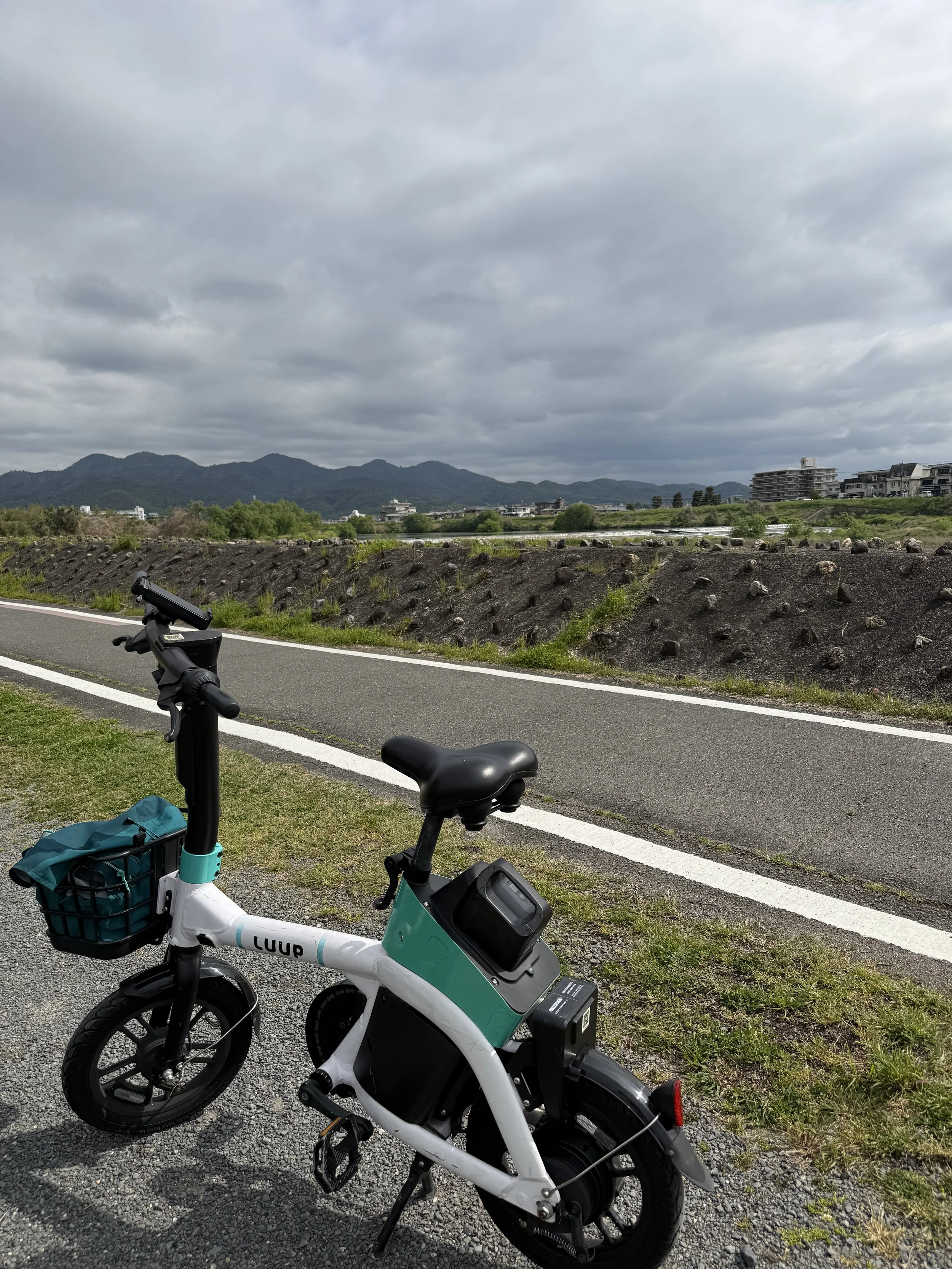
One of our biggest recommendations for Kyoto: use an electric LUUP bike - Luup, Japan’s No.1 Micromobility Sharing Operator.
At first it is a little daunting to get on a bike in a foreign country however, this turned out to be genuinely one of the most fun things we did. Some of Kyoto’s attractions are spread across the city, and using bikes meant we weren’t constantly thinking about buses and trains. We could just cycle between places and stop whenever we saw something interesting,
The electric assistance also makes a big difference when you’ve already spent several days walking around Japan! I’m sure we clocked 20-30k steps most days.
Price: In Tokyo, unlocking a vehicle typically costs ¥50, with each following minute of usage being charged at ¥15. However, fee structures vary by location and mode of transport. Full pricing model and further information can be seen here.
How far can a LUUP go on a full battery? On a full battery, a LUUP can go as far as 45km, though this will depend on your speed, driving style, and the terrain of your journey. Source: LUUP.
How LUUP Works
App Download: Download the official LUUP App and set up your account with a credit or debit card. Search for “LUUP” in the App Store or Google Play Store:
Station Finder: Use the in-app map to find nearby parking stations (ports) with available electric bikes.
Unlock: Scan the QR code on the bike using the app's camera to unlock it and select your destination parking port.
Riding: Adjust the seat, follow local Japanese traffic laws, and ride safely on city streets.
Return: Park the bike back at any designated LUUP station, lock it, and submit a confirmation photo through the app to end your rental.
It’s available in Tokyo, Kyoto, Yokohama, Utsunomiya, Kobe, Nagoya and Osaka!
Where to stay in Kyoto
Downtown Kyoto (Kawaramachi and Gion) is the overall best area to stay in Kyoto for most visitors because it offers easy walking access to shopping, restaurants, and historic streets.
Why stay here: You get the best of both worlds, modern convenience and closeness to tradition. It is packed with restaurants, department stores, and the lively Nishiki Market. You’ll easily be able to step outside your hotel and find many places to explore. If you like exploring on electric bikes, you will find plenty in this area. We were lucky enough to have a hub over the road from our hotel, so it was very quick and easy to explore places further away. If you prefer public transport, you have many options from busses to trains.
Location perks: It is a short 10-to-15-minute walk across the river to the historic Gion district.
We stayed at Soraniwa Terrace, which was amazing and we highly recommend it.
Sora Niwa Terrace Kyoto is a sleek 4-star hot spring hotel located in the heart of Kyoto, Japan, famous for its rooftop footbath and panoramic views of the Higashiyama mountains.
Key Highlights include Rooftop Terrace which features a relaxing onsen footbath, breathtaking 180-degree views of Kyoto, and free welcome drinks served from 4:00 PM to 6:00 PM. Natural Onsen: Includes top-floor indoor and open-air natural hot spring baths overlooking the city. Prime Location: Situated a 1-minute walk from Kyoto Kawaramachi Station and close to the historic Gion district.
-
Exploring Kyoto by electric bike
-
Fushimi Inari
-
Gion
-
Nishiki Market
-
Kinkaku-ji
-
Arashiyama Bamboo Grove

