2 Week Japan Itinerary - Tokyo, Kyoto, Osaka & the Japanese Alps
Tokyo / Mt Fuji / Shibu Onsen / Matsumoto / Takayama / Shirakawa-Go / Kanazawa / Kyoto / Osaka
In April 2026 we spent 2 weeks exploring Japan and oh my word… what a stunning place! We thought we might stand a chance of seeing the cherry blossom aka Sakura, it turned out we were a week late, and although we still got to see cherry blossom on the trees, it was not at it’s peak. Was it still worth it… absolutely!!
Below I’ve included our itinerary, it’s very busy and perhaps a bit too jam-packed BUT it will give you an idea of what you can do in these beautiful locations and where you can visit outside of the typical Tokyo, Kyoto and Osaka.
Day #1: Tokyo - Asakusa & Sumida
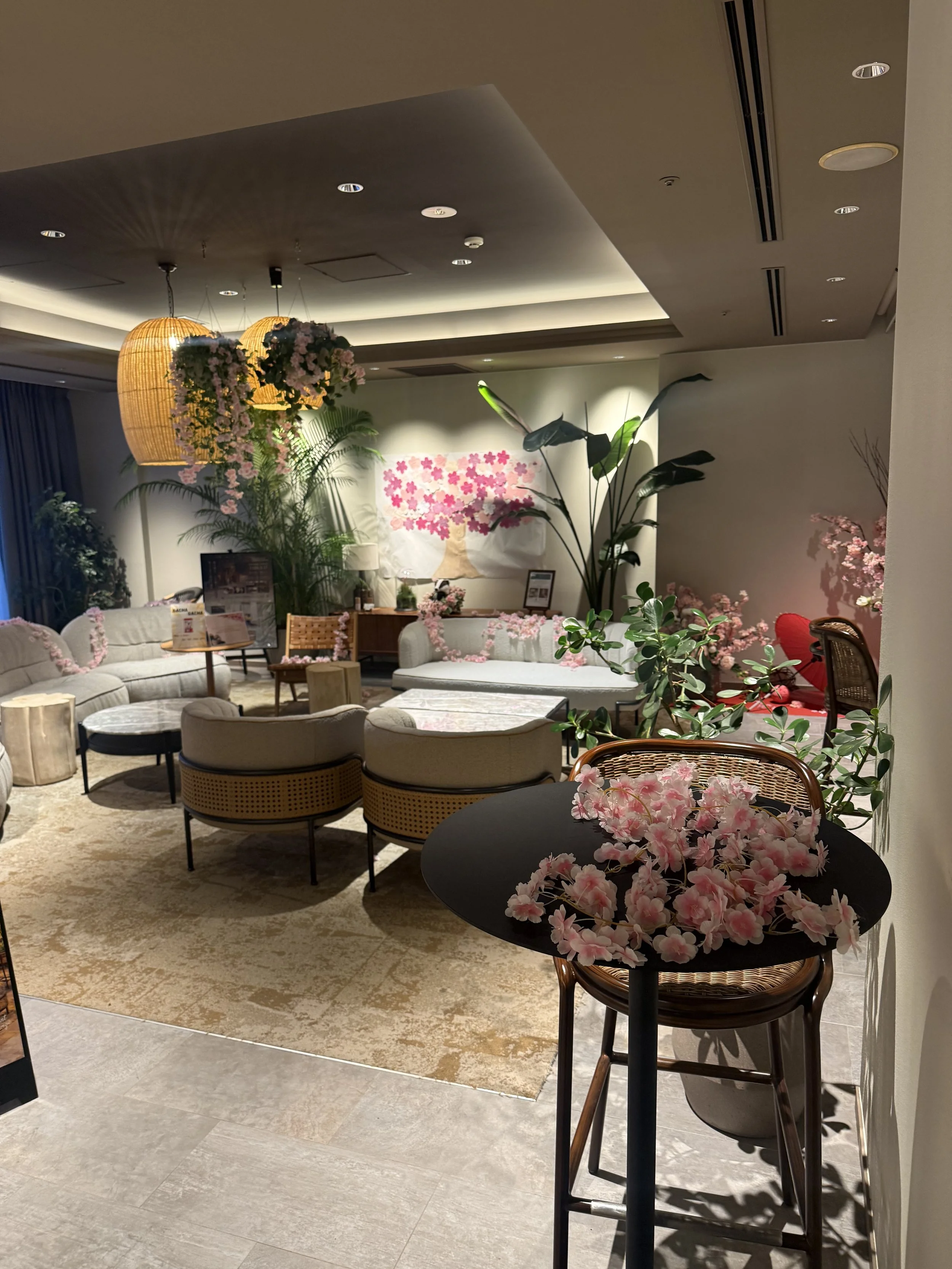
Hotel: Tokyu Stay Yotsuya Shinjuku Area, Tokyo
There are multiple districts within Tokyo, we made the decision to spend 2 nights near Yotsuya station, 1 night near Seibu-Shinjuku (which is the craziest station in the world), and then 1 night near the government buildings. We knew we’ll be doing lots of walking and hopping on/off the underground trains.
Morning: On the plane still
Afternoon: Land in Tokyo at 17:20pm [get the Metro to the hotel - to drop bags]
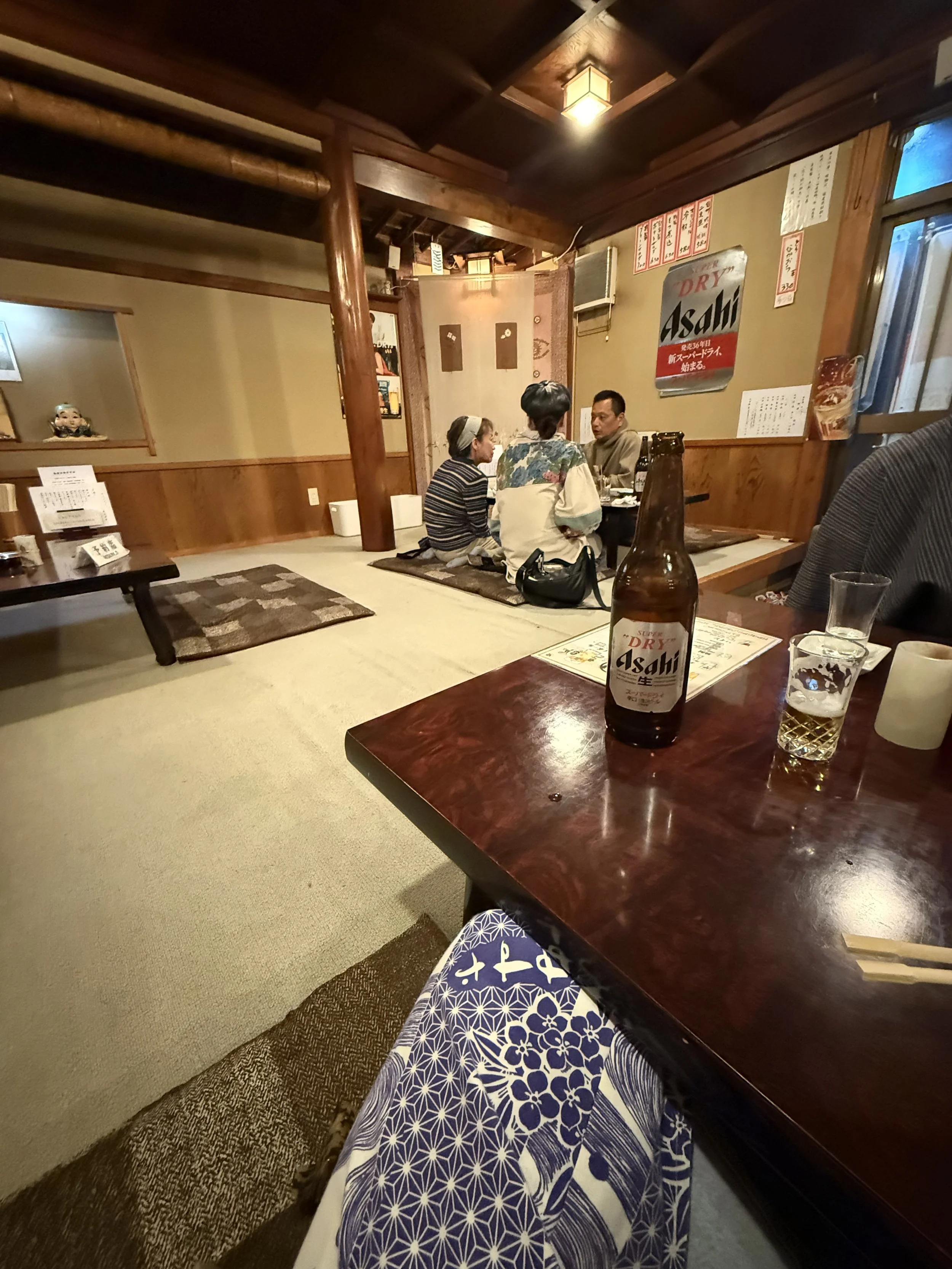
Evening: Akihabara at night [electric district, arcades. Retro games, super potato]. Akihabara at night transforms into a vibrant, neon-lit neon paradise, buzzing with energy, arcades, and otaku culture. We thought this was a fairly straight forward thing to see after travelling all day. We stopped at a restaurant in the area and got some yummy food and a nice cold beer.
Day #2: Tokyo - Shibuya, Harajuka & Meji
Hotel: Tokyu Stay Yotsuya Shinjuku Area, Tokyo
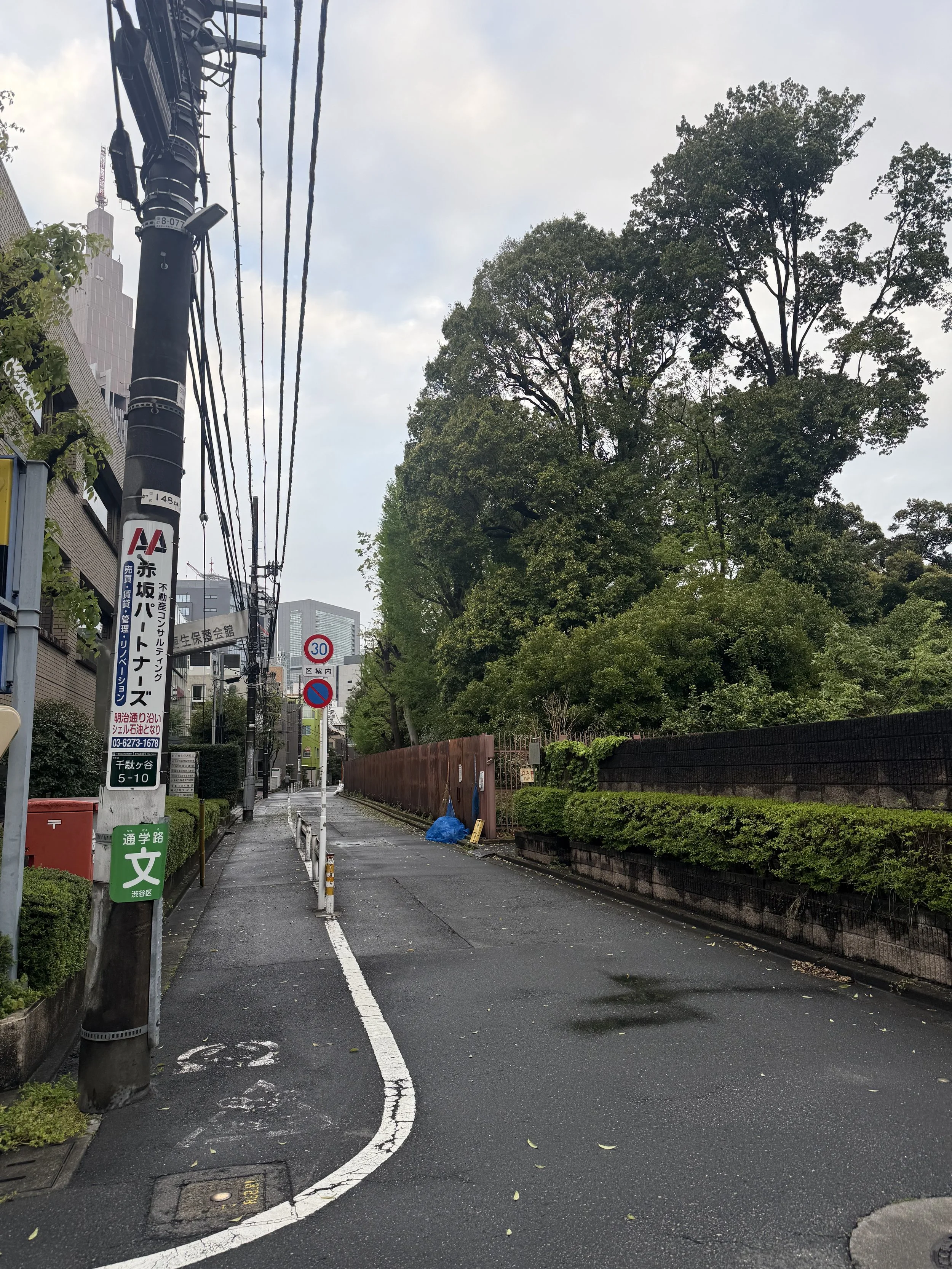
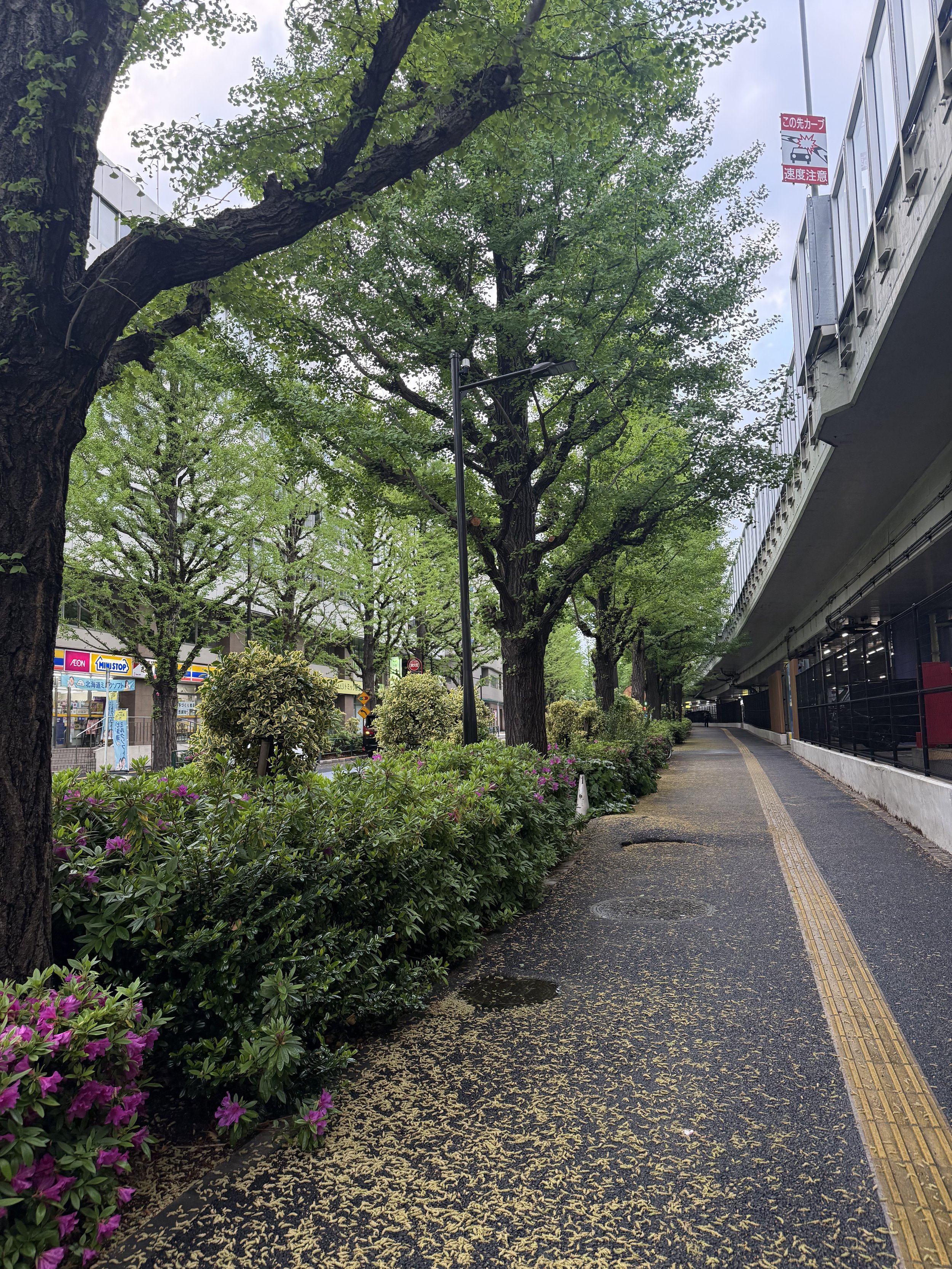
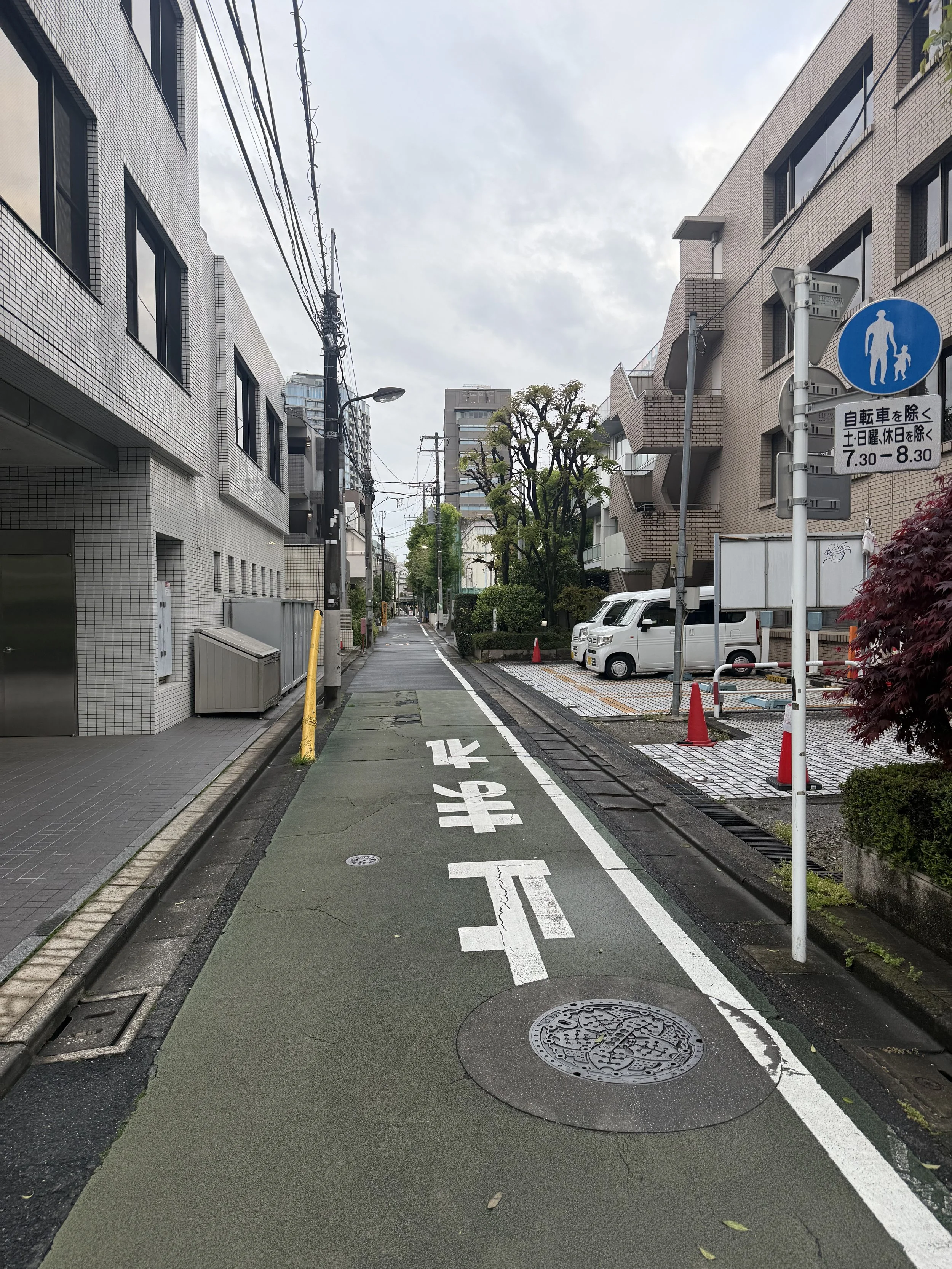
I started off the first full day with the long run at 6am, I find this is an amazing way to explore the area and to find hidden gems. This run did not disappoint. Out of all the places we stayed, this was the best for covering a nice amount of miles without feeling like you’re in a concrete jungle. I would even go as far to say, this was my favourite hotel location in Tokyo and where we would go back to.
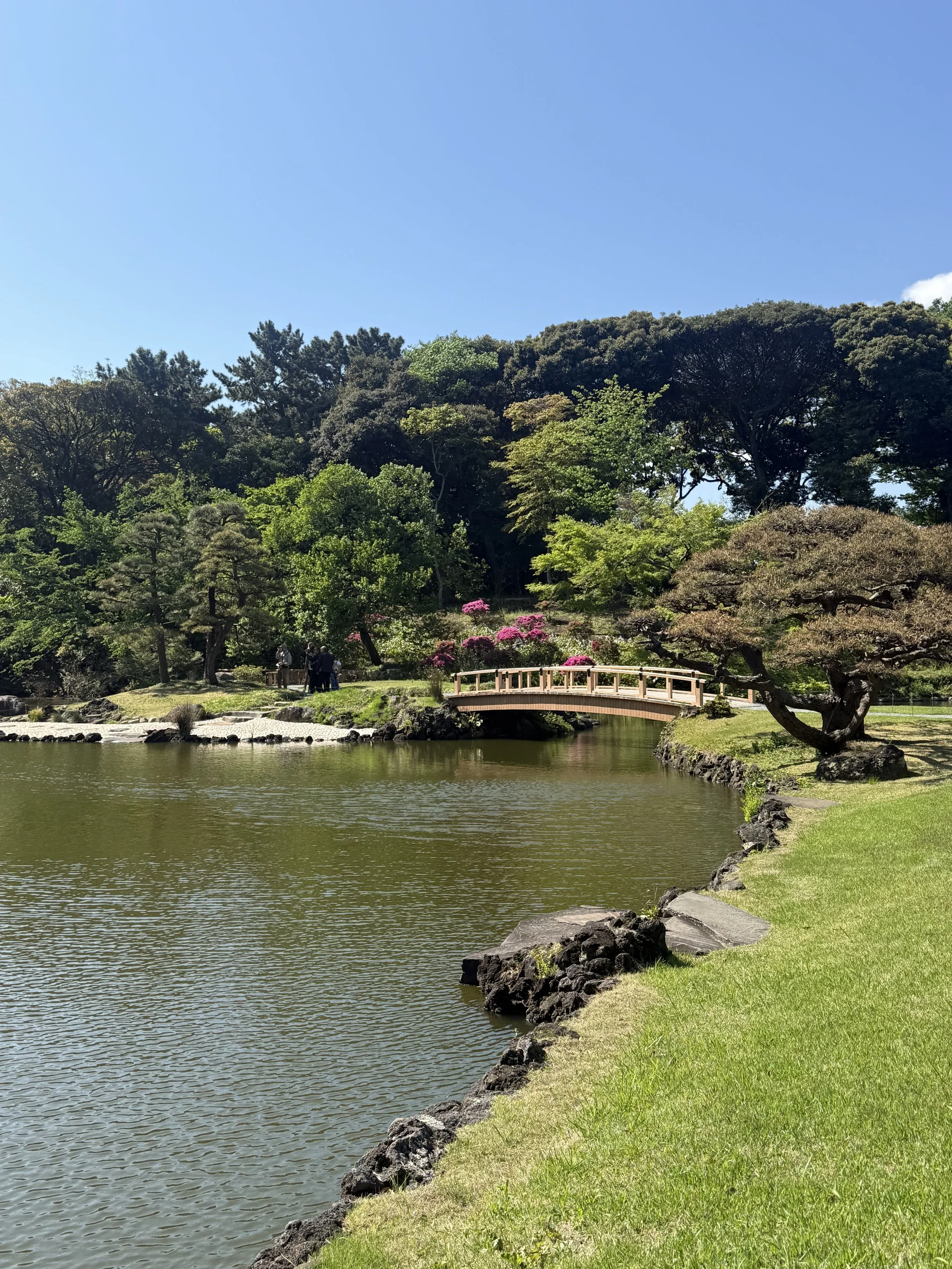
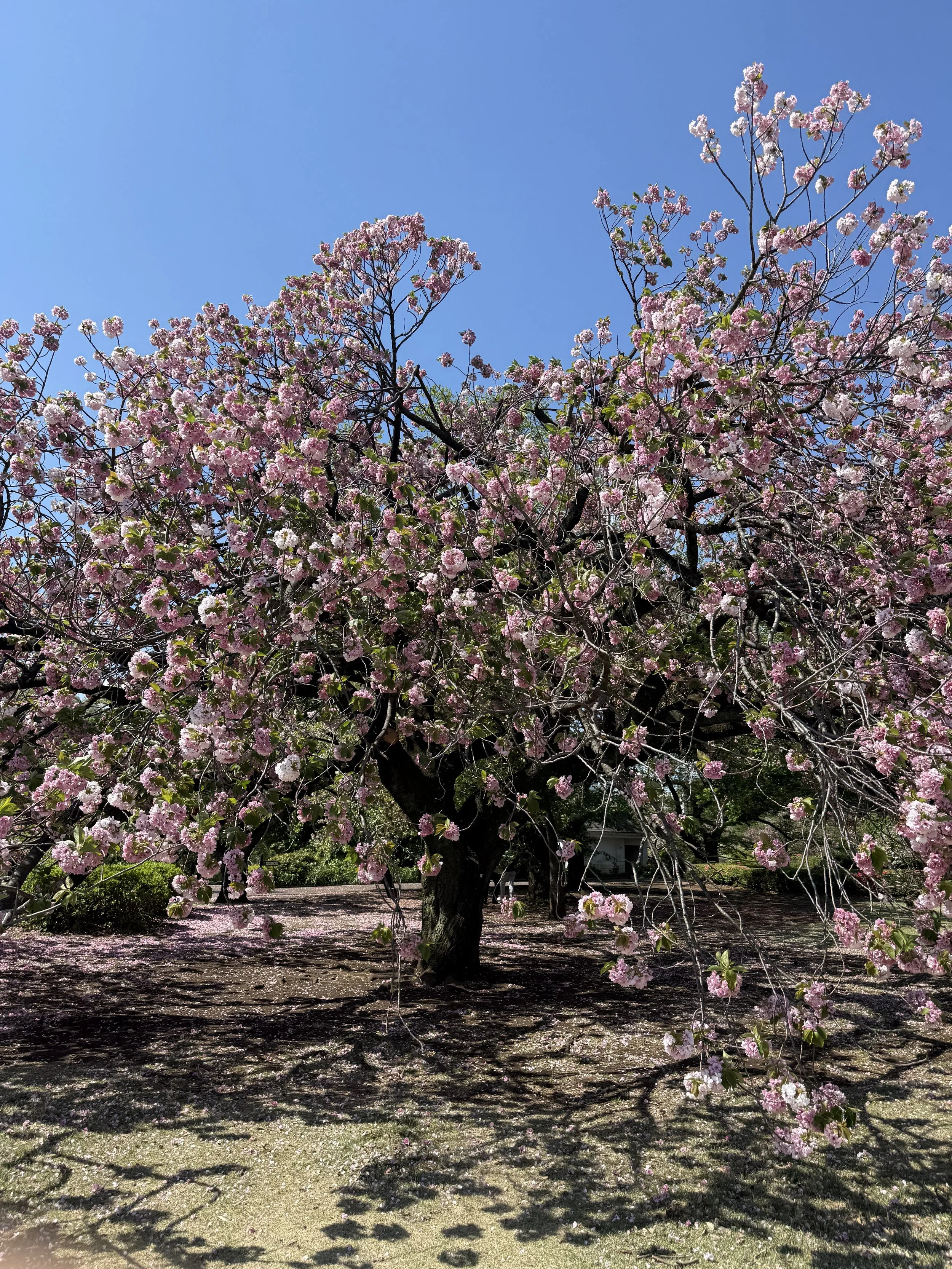
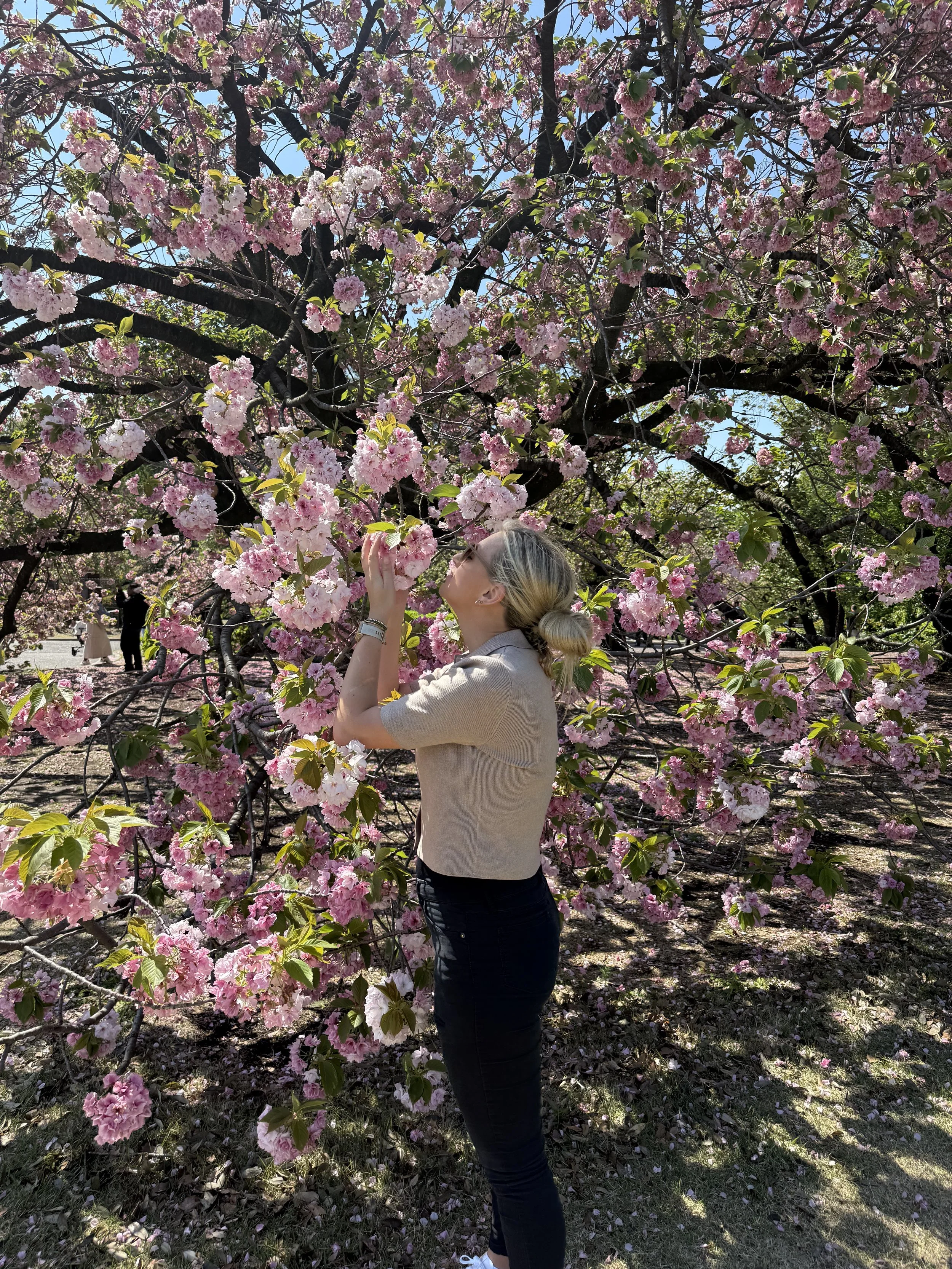
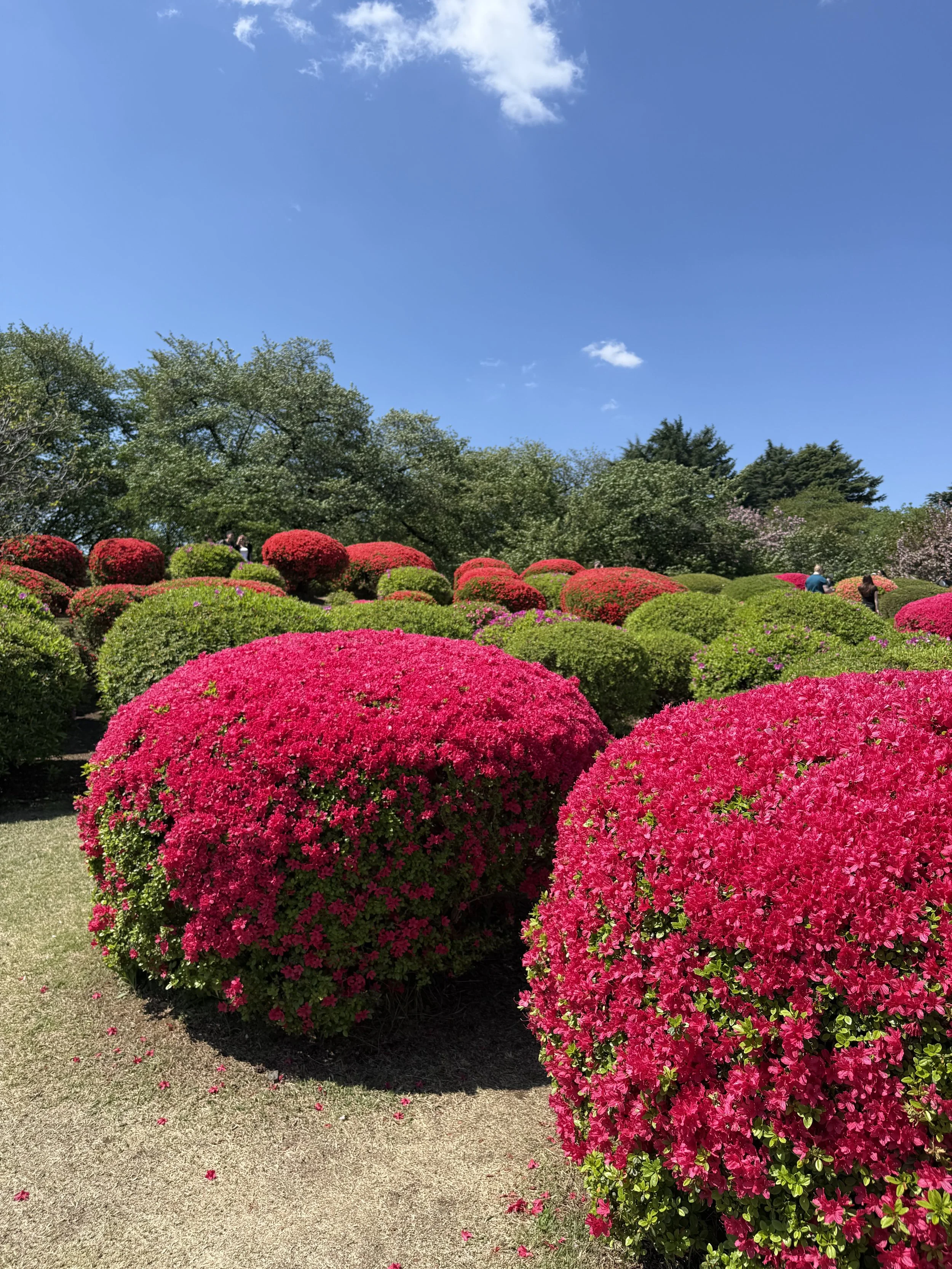
Morning: Shinjuku Gyloen National Garden [cherry blossom & lakes]. Located a short walk from Shinjuku Station, the park's spacious lawns, meandering walking paths and tranquil scenery provide a relaxing
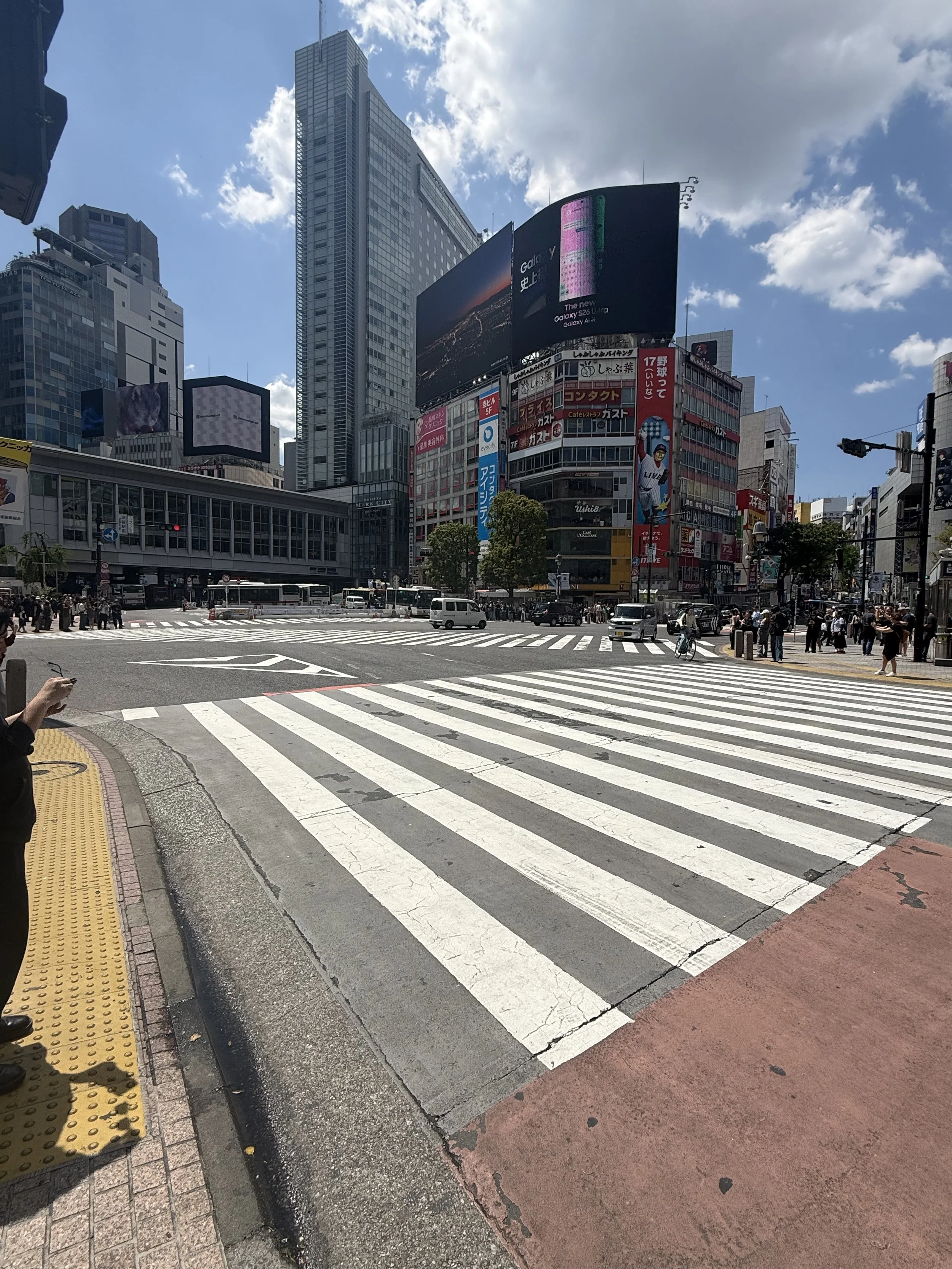
Shibuya Crossing Walk: Shibuya Crossing, located outside Shibuya Station’s Hachiko exit in Tokyo, is the world's busiest pedestrian intersection, with up to 3,000 people crossing during every 80-second scramble
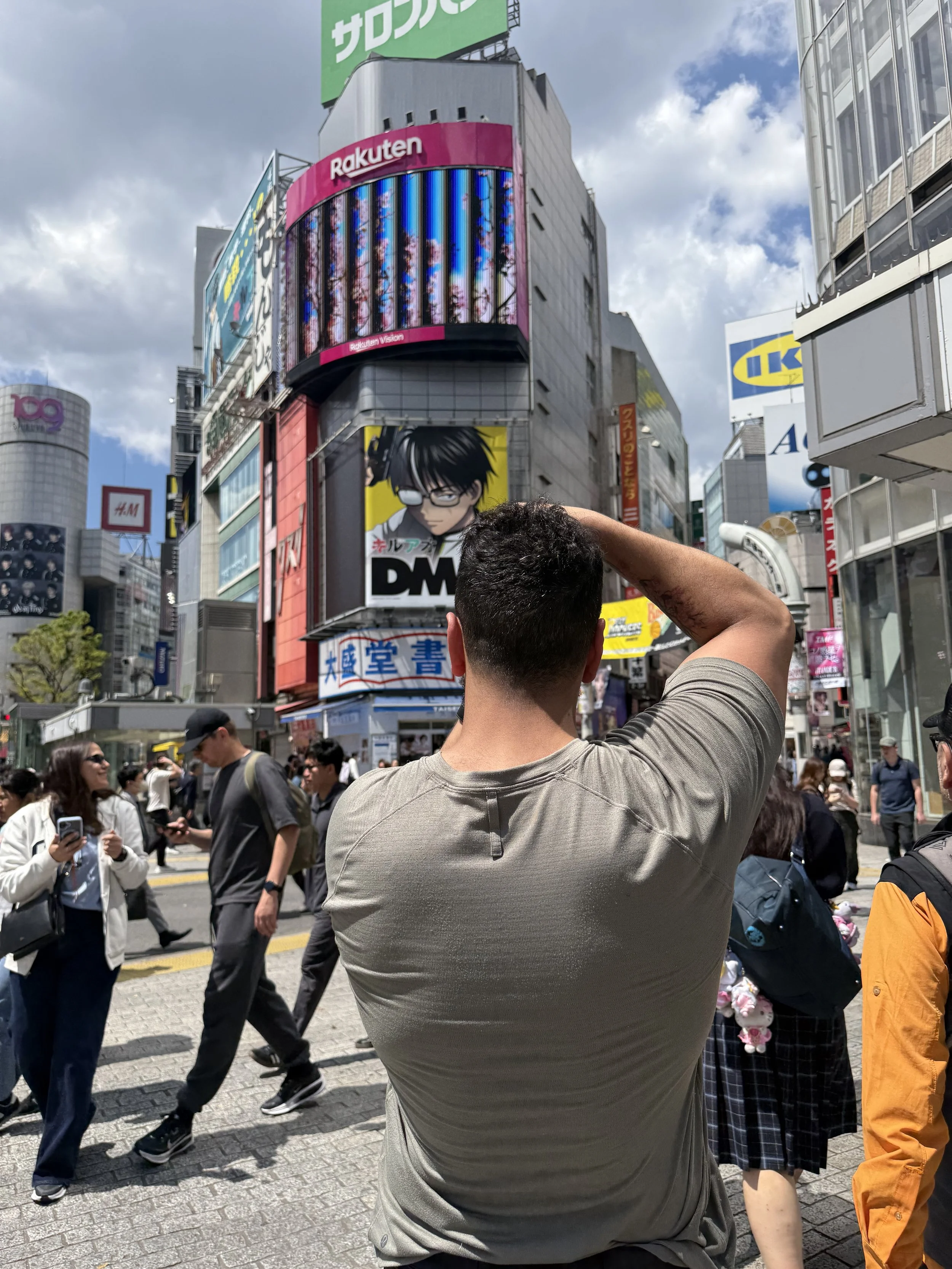
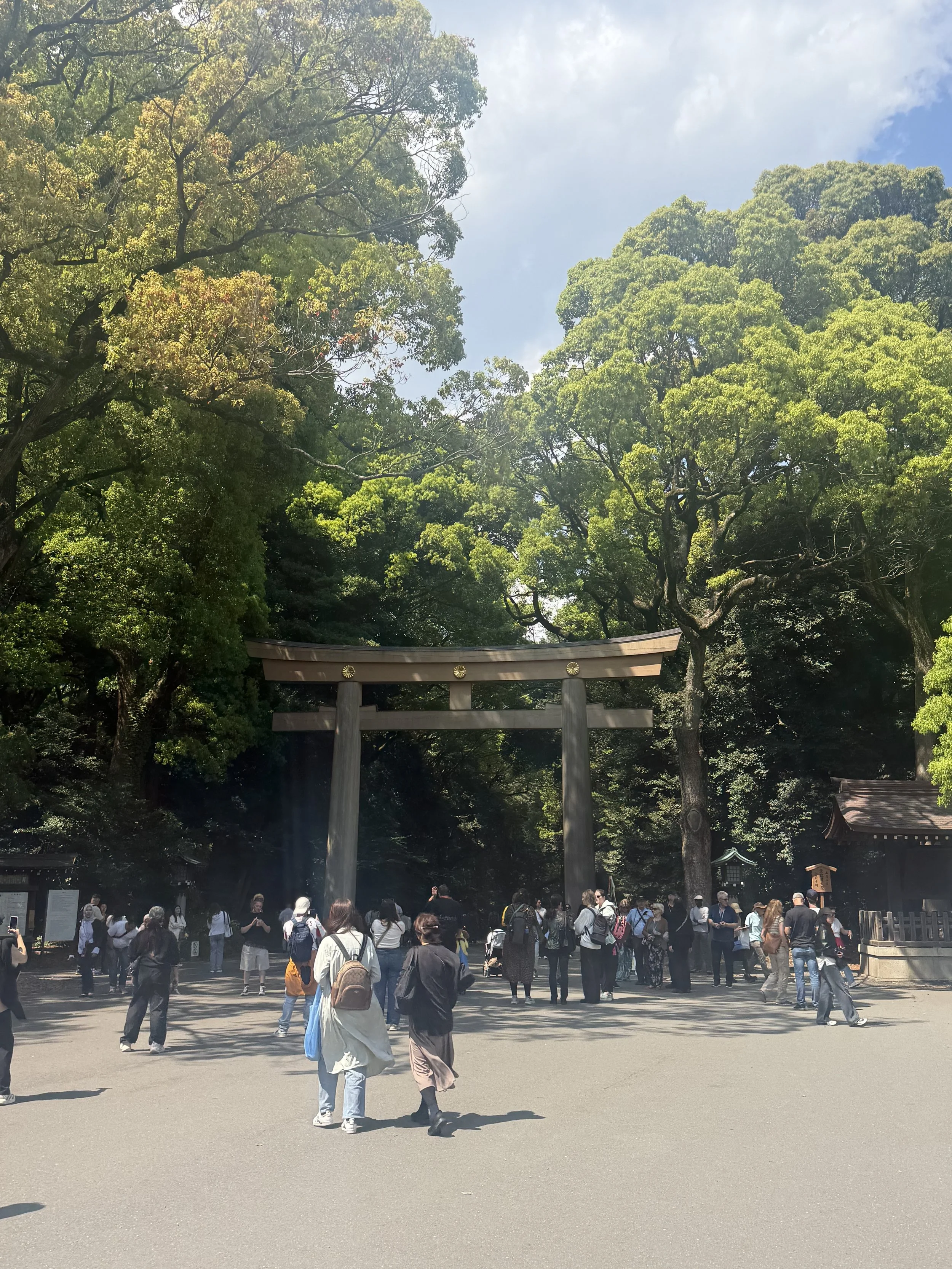
Afternoon: Shibuya Parco [Nintendo TOKYO & Pokemon Centre]: Shibuya Parco is a haven for anime and video game enthusiasts, featuring flagship stores like Nintendo Tokyo, the Pokémon Center, Capcom Store, Jump Shop. Walk to Harajuku: Buzzing Harajuku is renowned for colorful street art and youth fashion, with quirky vintage clothing stores and cosplay shops. Meiji Jingu Shrine: The Meiji Shrine is one of the main tourists attractions in Tokyo and, for locals, it's also one of their most important religious sites. It is dedicated to the deified spirits of Emperor Meiji and his wife, Empress Shōken.
It was so easy to get around and jump from place to place, we just used Google maps and mainly walked.
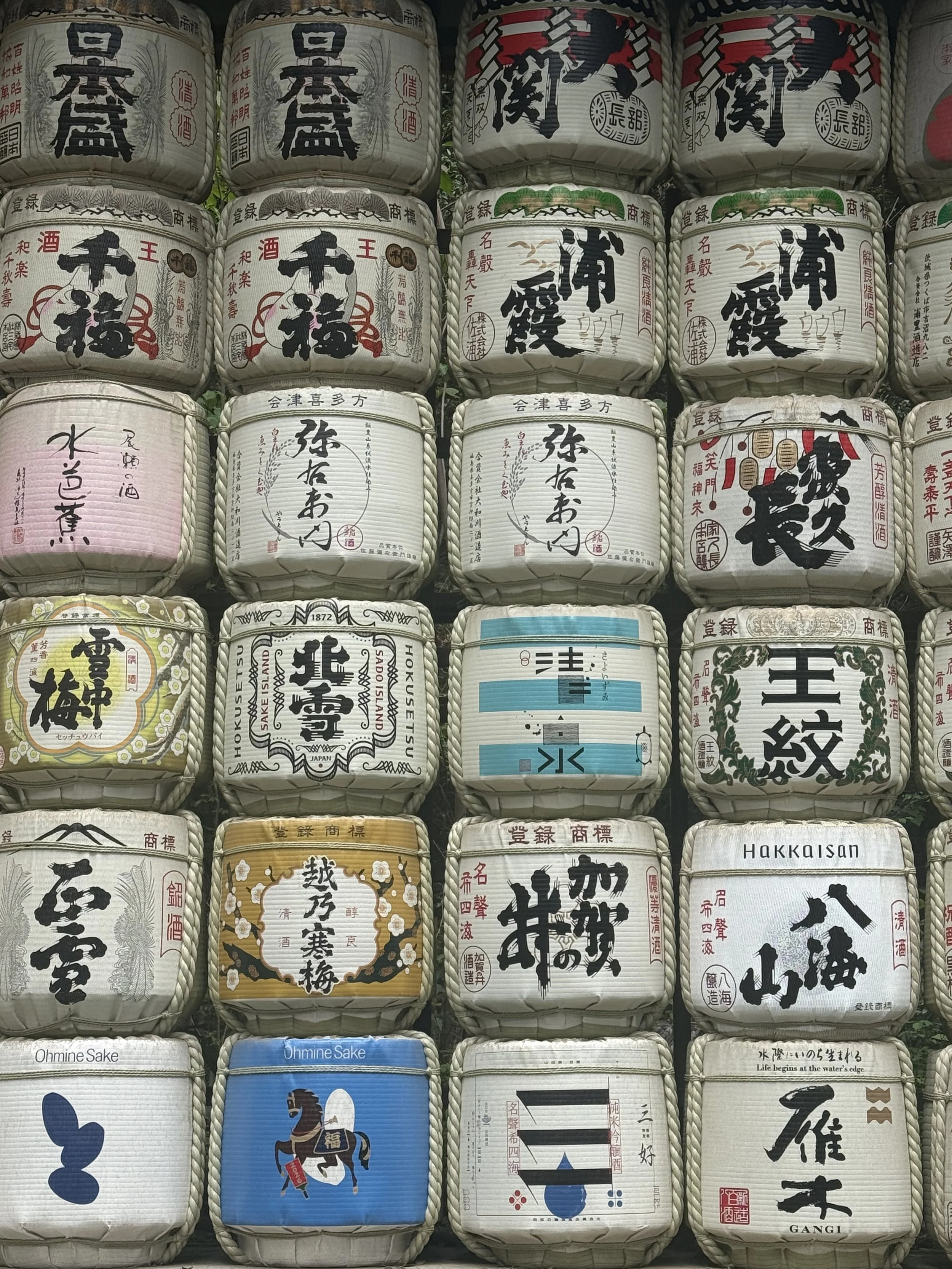
Day #3: Tokyo - Sumo & Culture
Hotel: Hotel CEN, Tokyo (we don’t recommend this hotel).
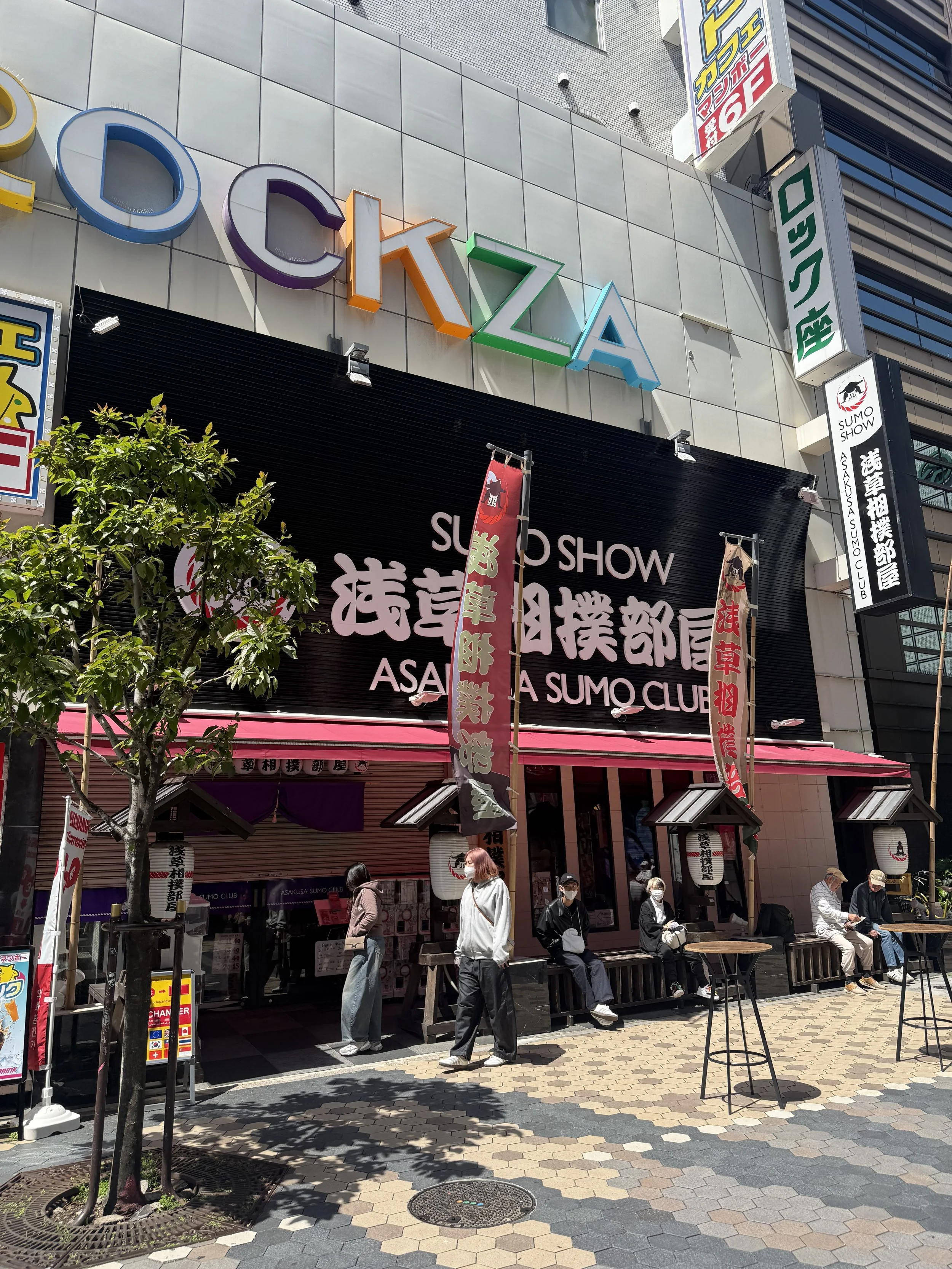
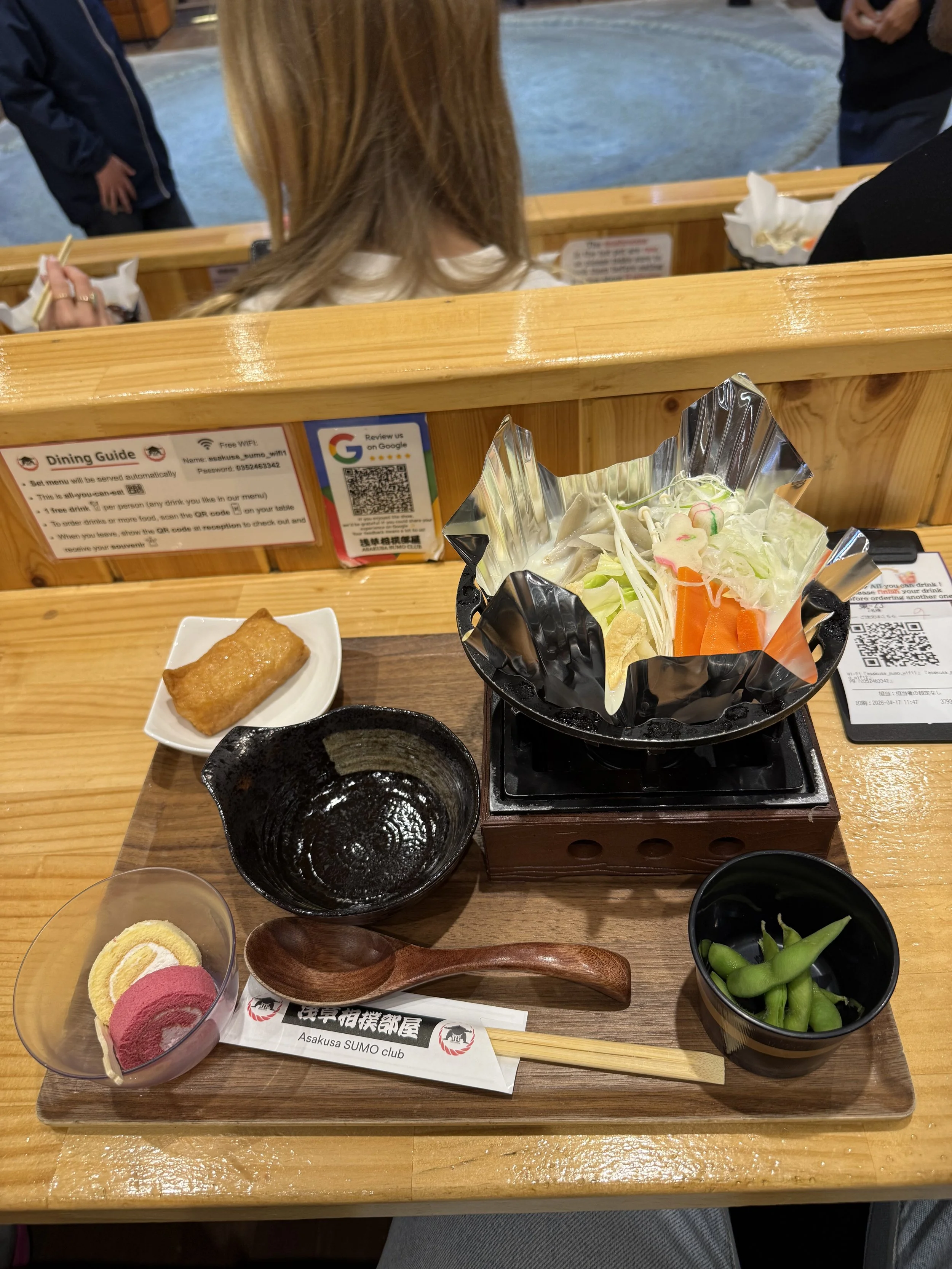
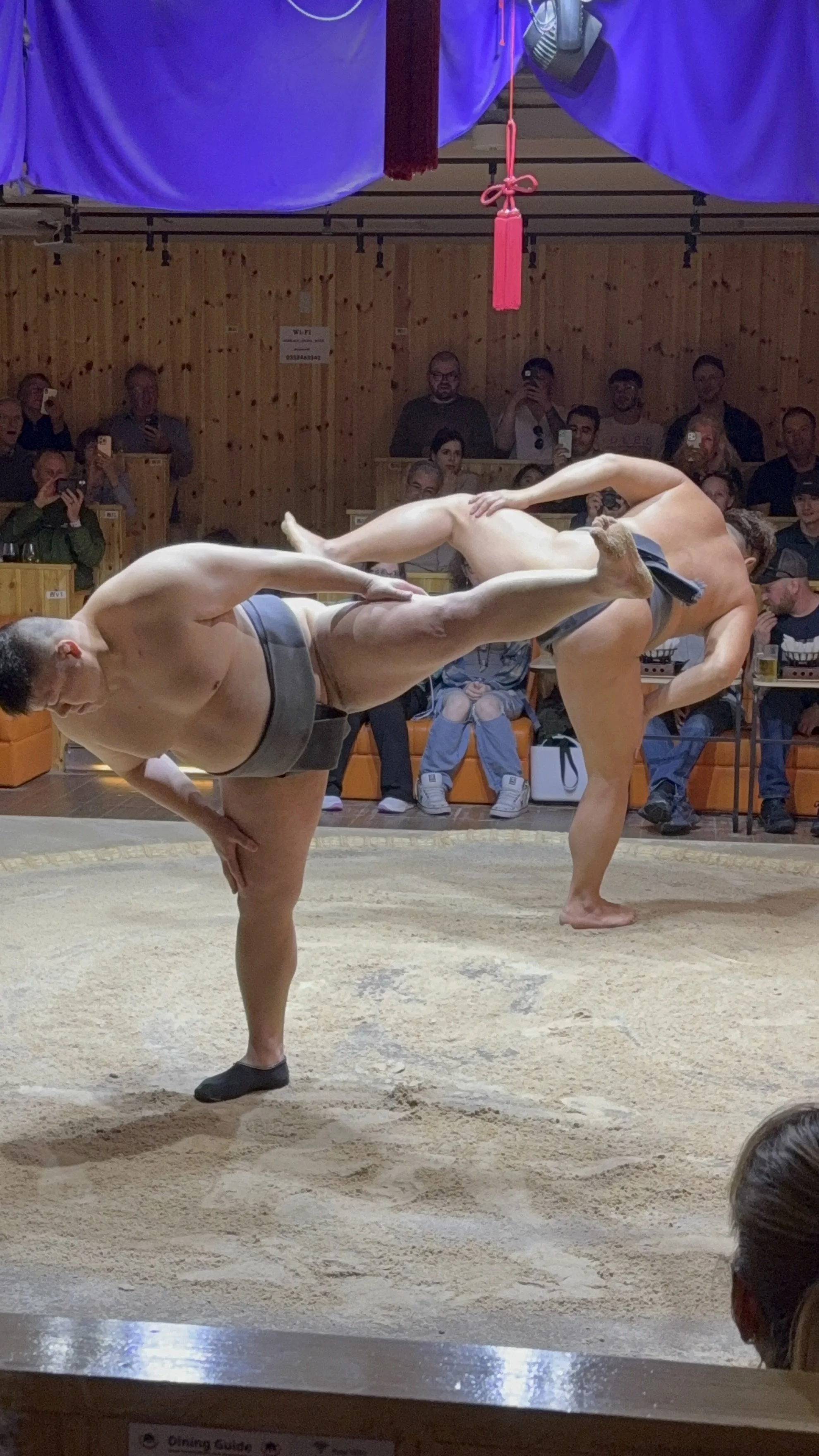
Morning: Move hotel and then head to the Asakusa Sumo Club for 12am. Even though it was very cheesy and absolutely created for tourists, it was so much fun. It was unlimited food and drinks (with the ticket we got). At the Asakusa Sumo Club, it was quite an intimate setting where you could see up-close the action. There was even audience participation! The sumo club is a must if you’re in Tokyo!
Afternoon: We decided to cycle quite a few miles, exploring the quieter roads. At first I was quite nervous, but after around 10mins I was fine and felt confident weaving around the streets. It was very easy to find an electric bike in Tokyo, I would probably compare it to Lime or any other city bikes.
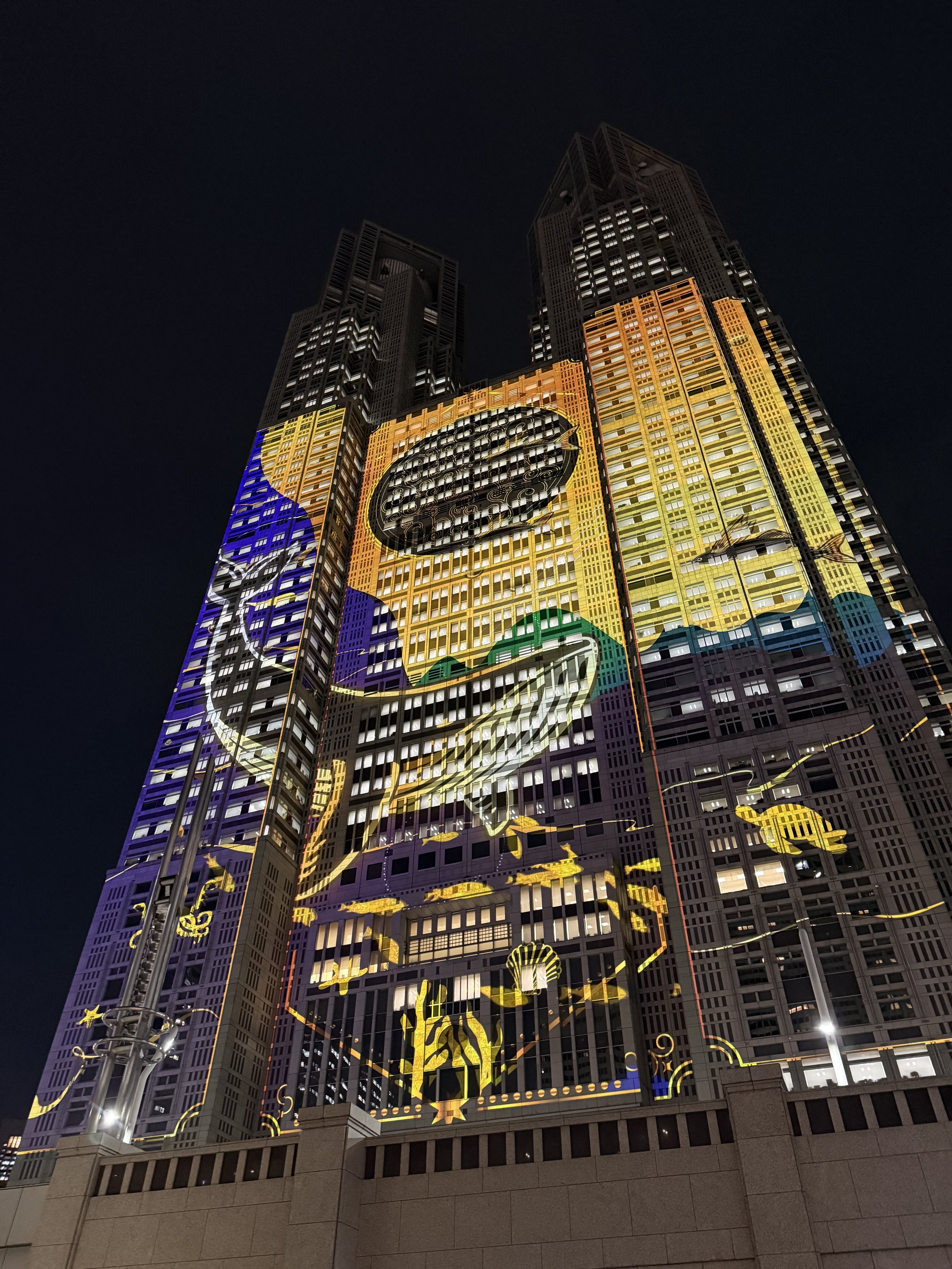
Evening: We finished our day by heading to the Tokyo Metropolitan Government Building for the light show. The Tokyo Metropolitan Government Building in Shinjuku transforms at night into a vibrant, free nighttime destination. It features the "Tokyo Night & Light" project, the world's largest permanent architectural projection-mapping display, and offers panoramic city views from its 45th-floor observation decks until 21:30.
Tokyo Night & Light (Projection Mapping): Daily shows run every 30 minutes from 5:30 p.m. to 9:30 p.m. on the east-facing wall of the No. 1 Building. The visuals feature themes like Godzilla, PAC-MAN, and artistic interpretations of Tokyo's history.
Observation Decks: The North Tower is generally open for free nighttime views, allowing visitors to see the city lights, including Tokyo Tower and Skytree.
Day #4: Tokyo - Lake Kawaguchi & Mt Fuji
Hotel: Shinjuku Washington Hotel Annex , Tokyo
Morning: 08:30am TRAIN from Shinjuku - Kawaguchiko arriving at 10:26 (the tickets sell out fast we so pre-booked our outbound and return ticket).
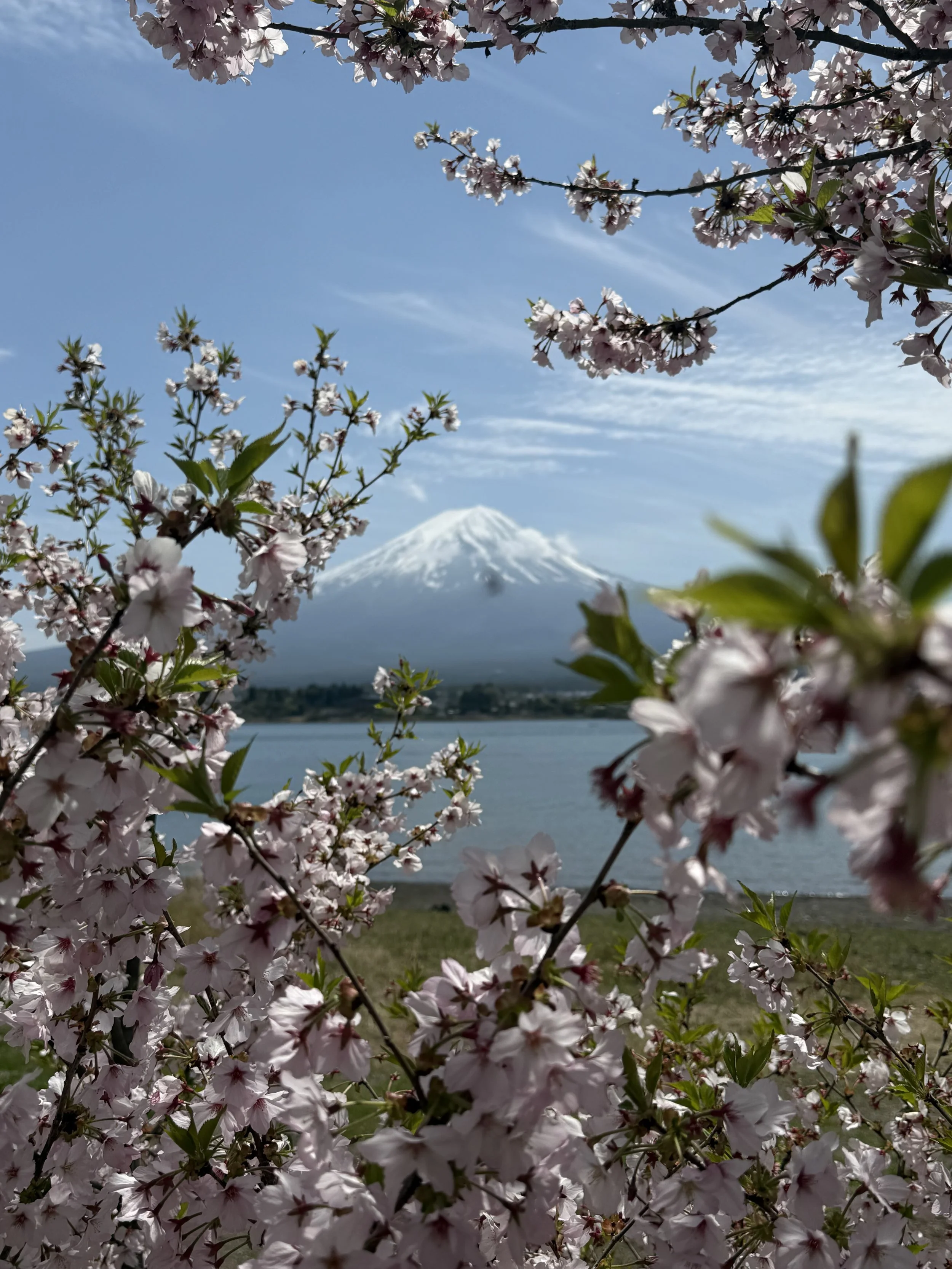
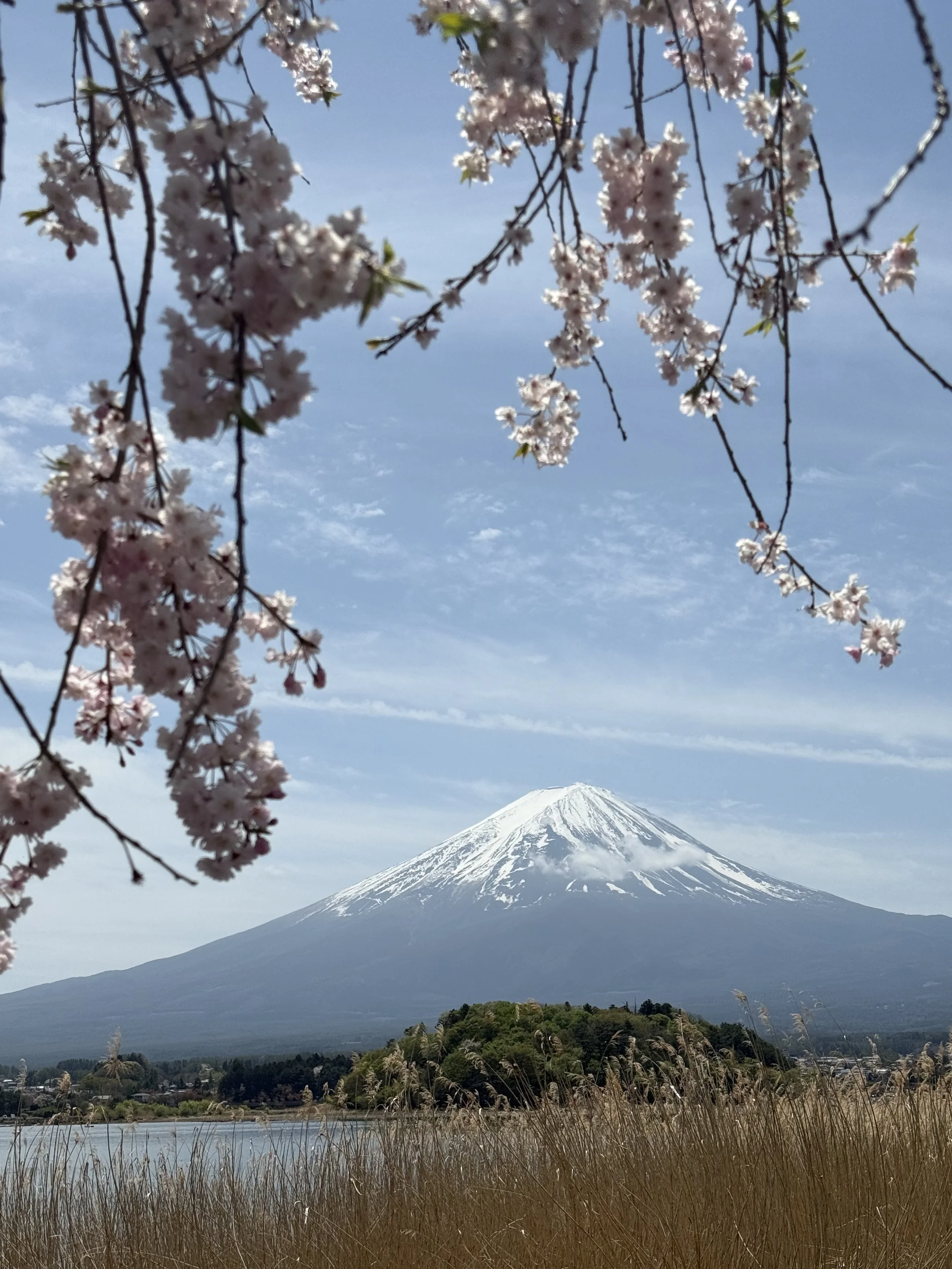
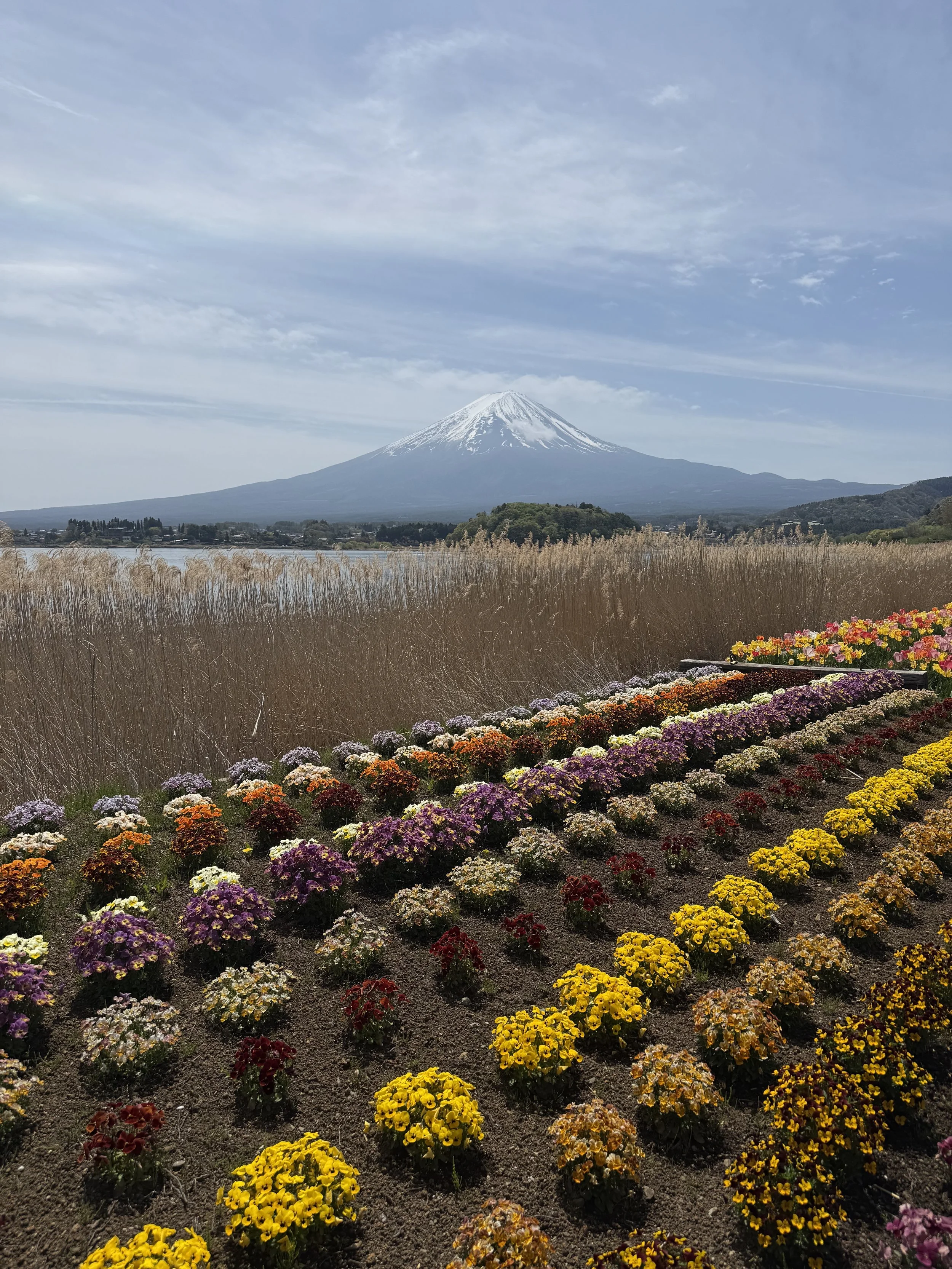
April is a peak time to visit Lake Kawaguchi for views of Mt. Fuji, particularly from mid-to-late April when cherry blossoms (sakura) typically bloom, peaking around April 20th. The northern shore offers iconic views of the mountain, lake, and flowers together, especially during the Fuji-Kawaguchiko Cherry Blossom Festival.
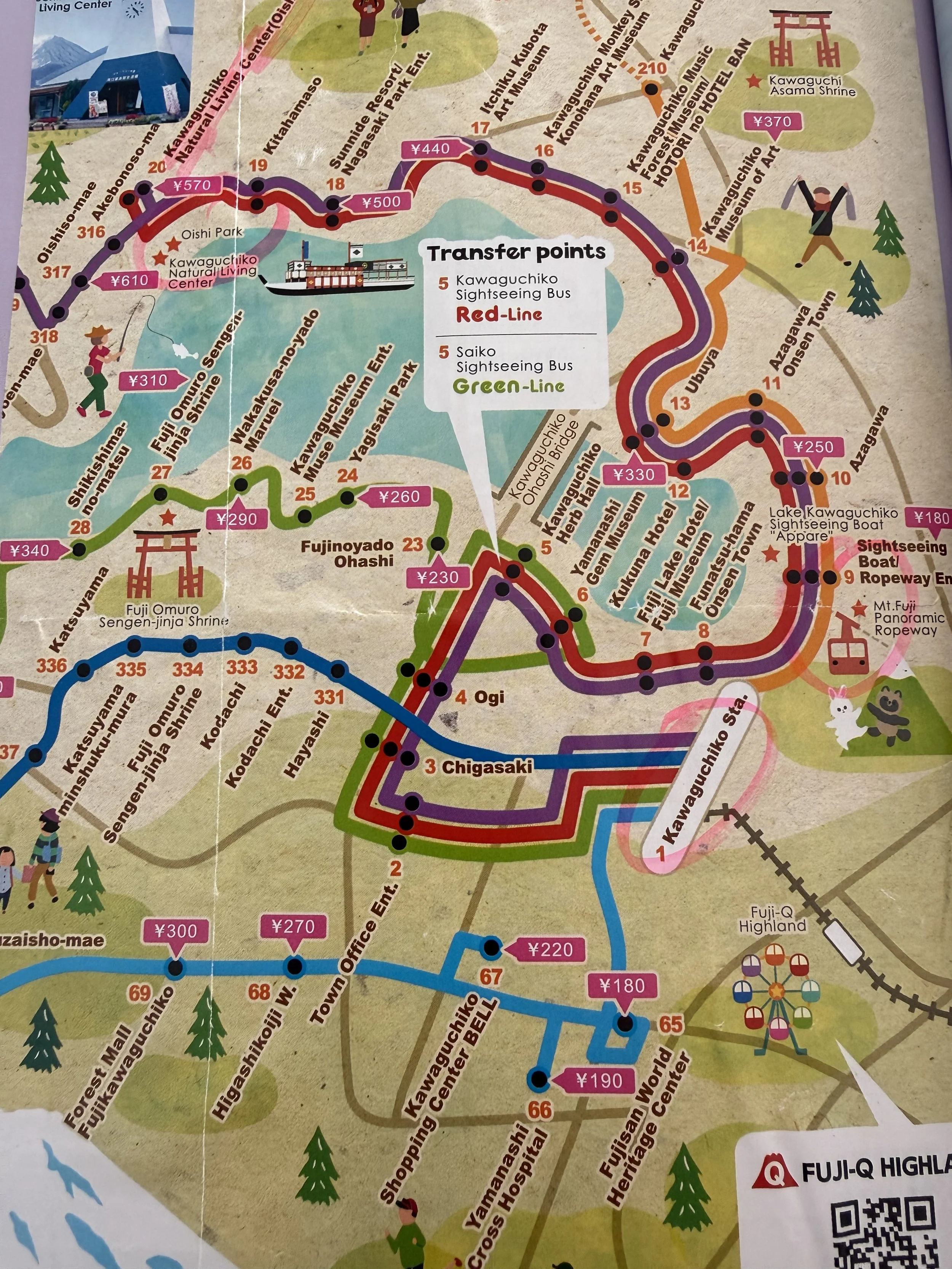
When we got off the train, we headed to the tourist information point to understand where we should spend our time and what to see. We decided to the Kawaguchiki Natural Living Center. There is a bus route which runs in both directions, we jumped on the Red-line (you just tap your bank card when you get on, the price was 570 yen per person), we got it there and then walked back to the train station as it was a lovely day.
Day #5: Tokyo - Shibu Onsen
Hotel: Hotel Wafu No Yado MASUYA (Japanese breakfast included & offers shuttle to Snow Monkey Park)
Travel: Tokyo -> Nagano -> Yudanaka -> Shibu Onsen
09:04am TRAIN from Tokyo Station to Nagano PRE-BOOKED
11:15am TRAIN Nagano Dentetsu (Nagano -> Yudanka) arrive at 12:15
Taxi or 30min uphill walk to Shibu Onsen
Morning: Travel to Sibu Onsen
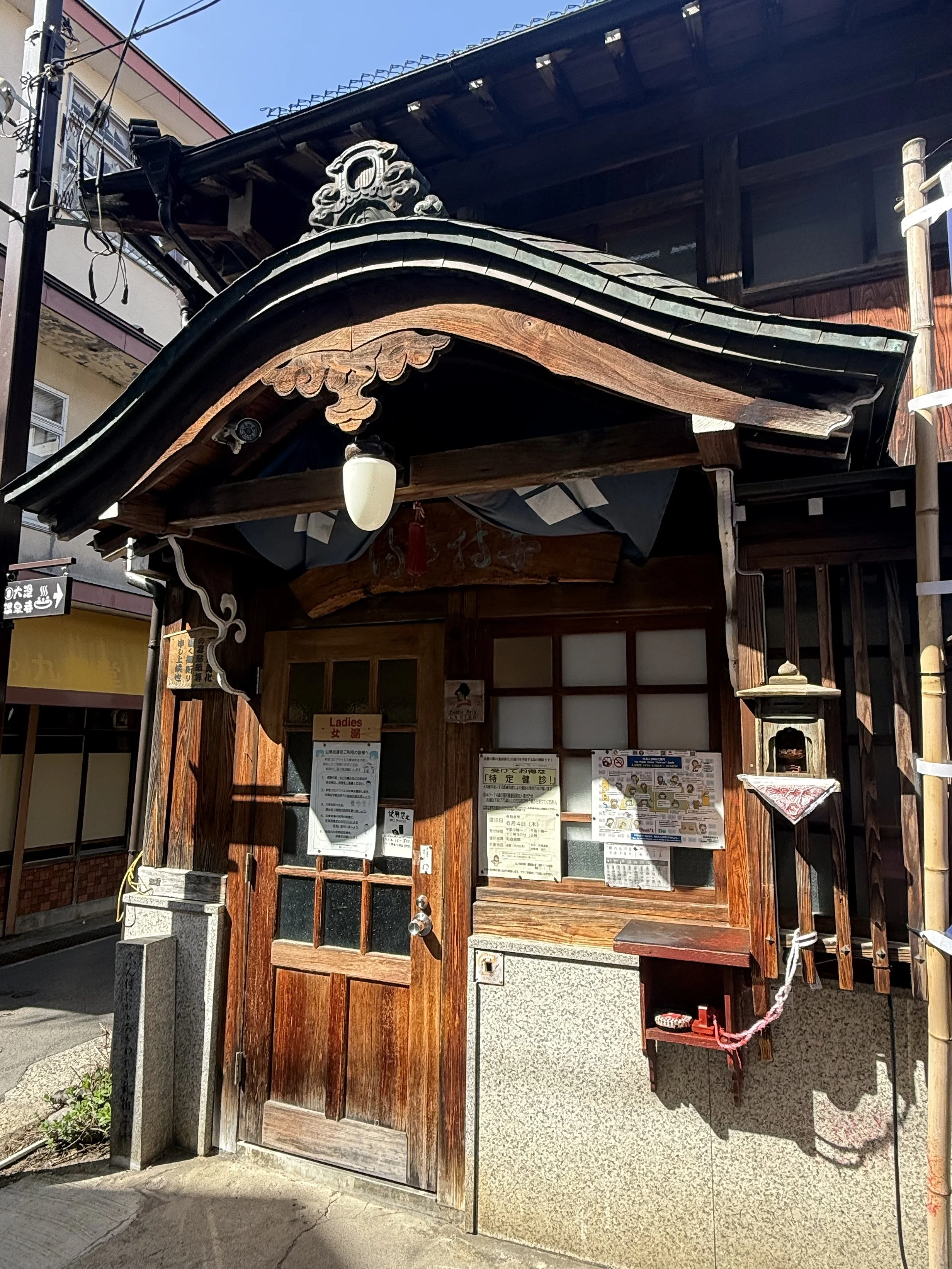
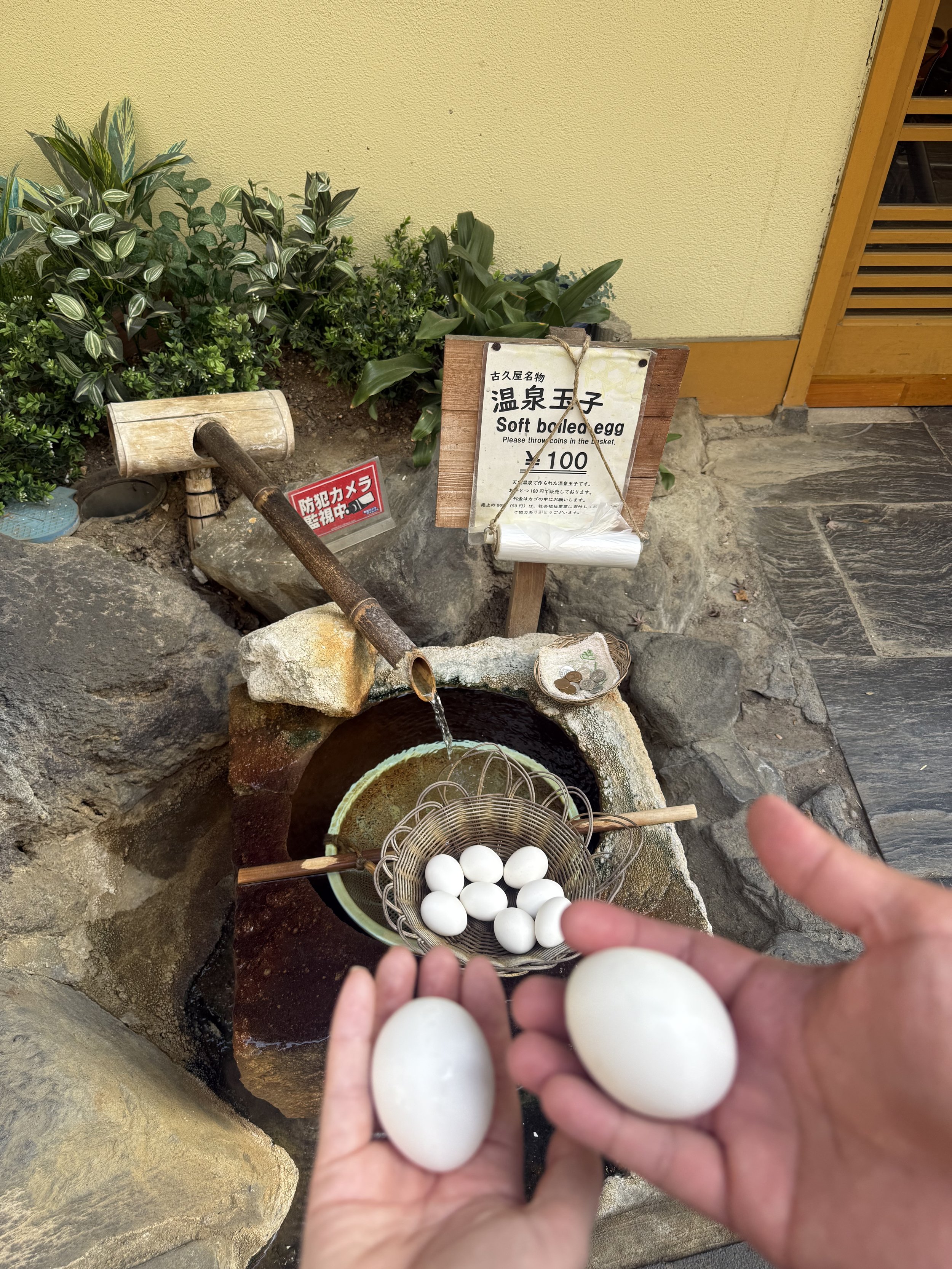
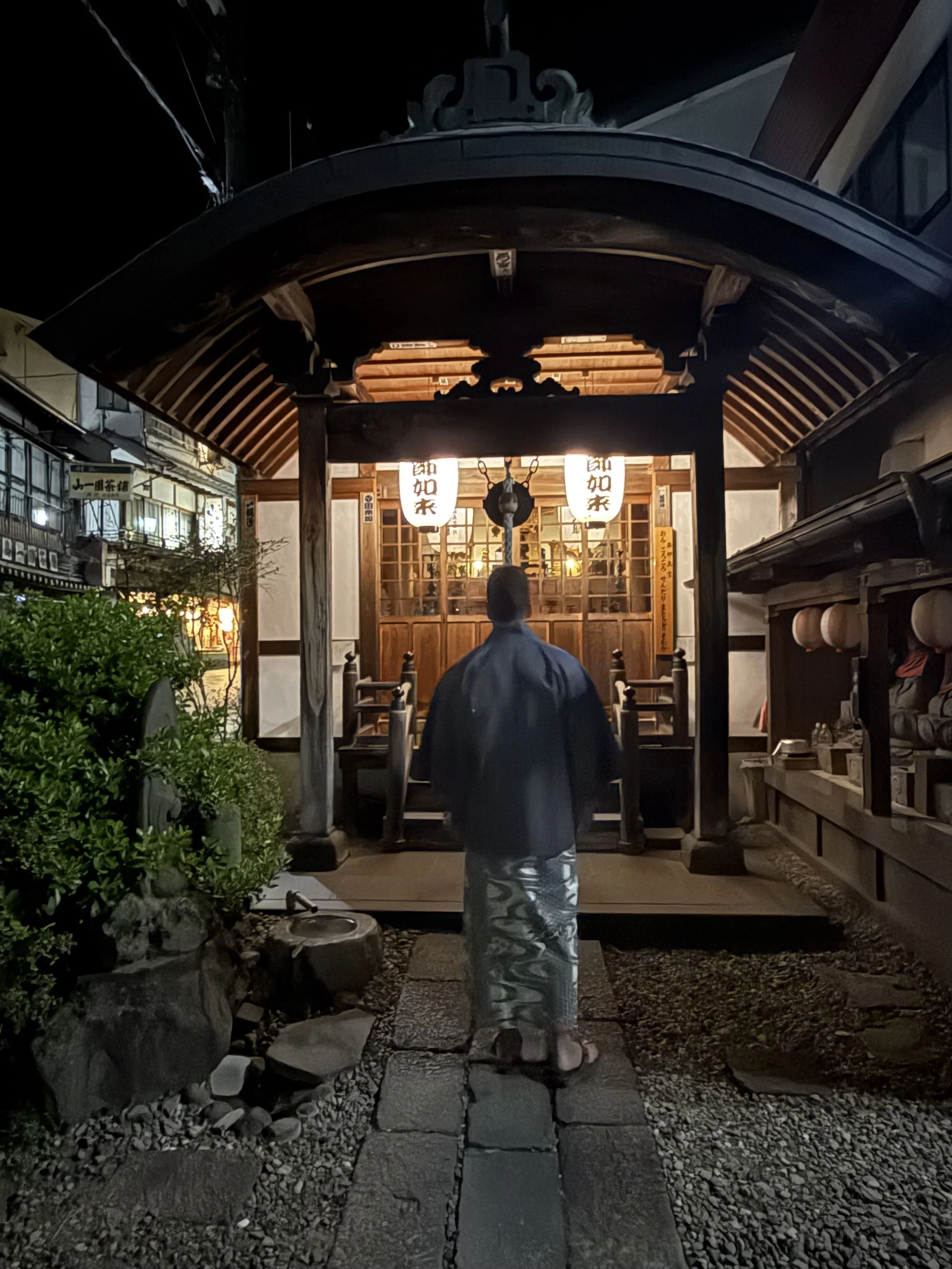
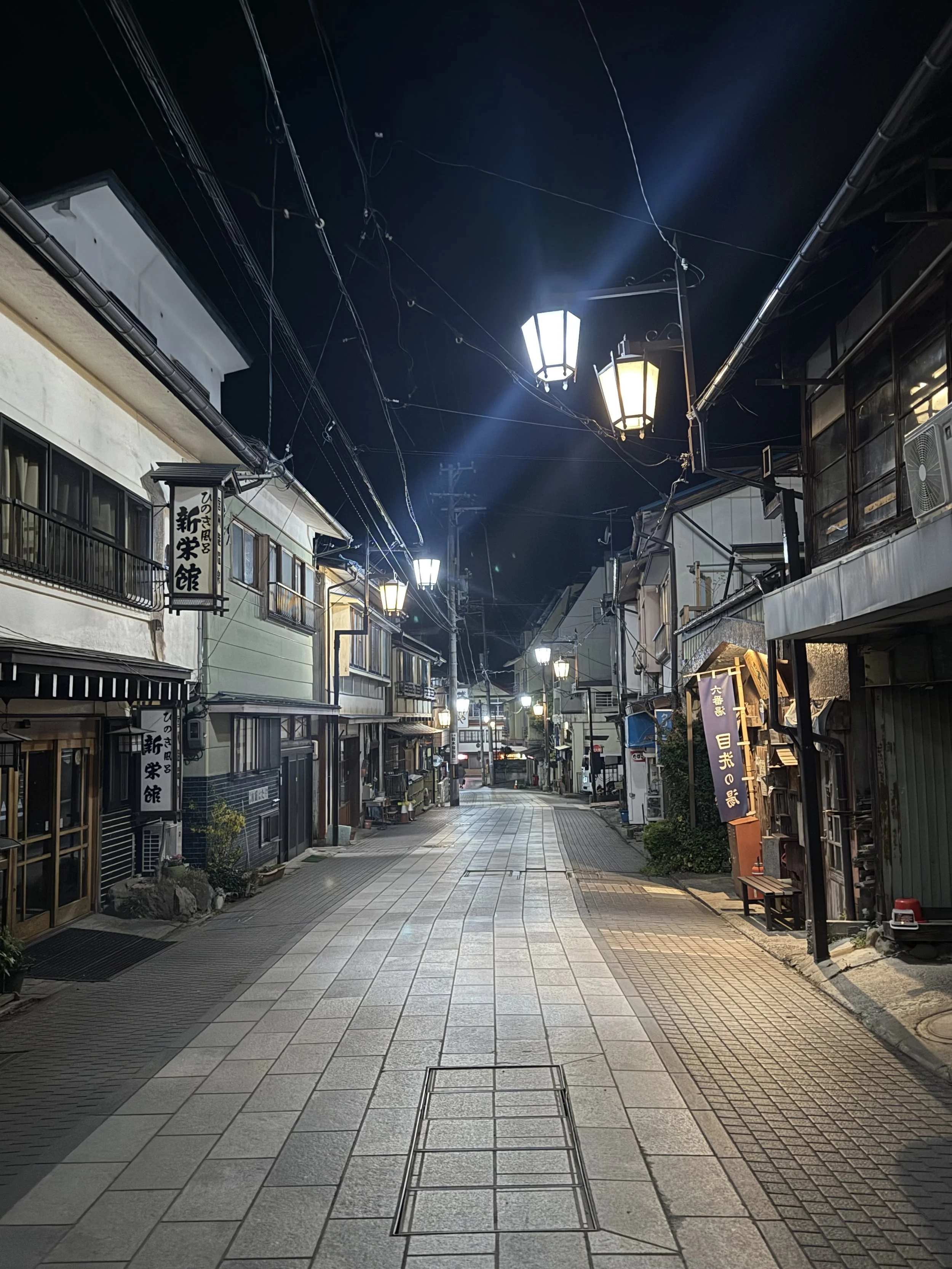
Shibu Onsen, a 1,300-year-old hot spring town in Nagano, offers a nostalgic stroll through narrow, cobblestone streets lined with traditional wooden ryokan.
Afternoon: Traditional Town Stroll [wooden geta sandals]
Shibu Onsen Nine Public Bathhouses info LINK
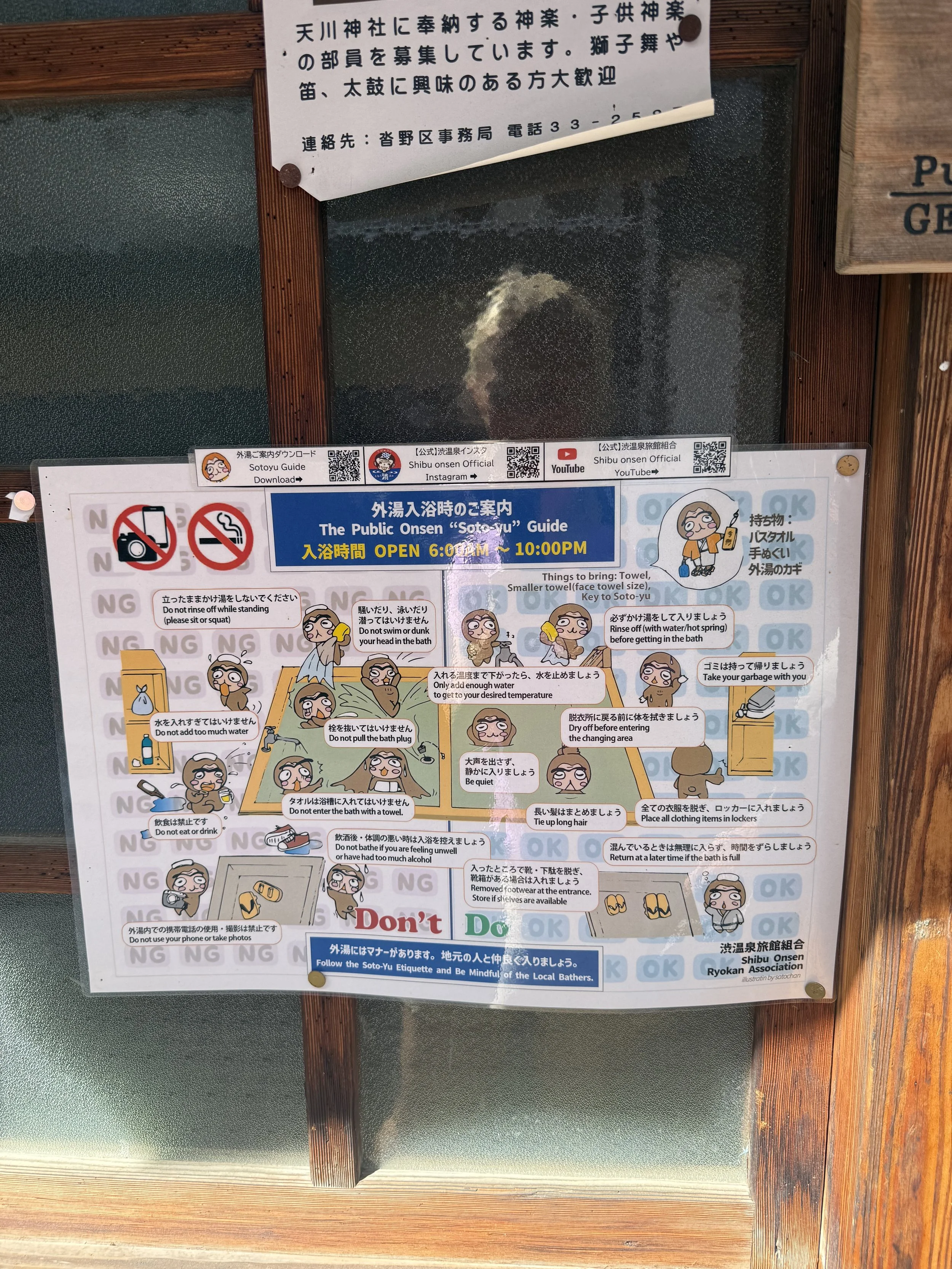
These are available to guests staying in the area. Each bath is unique and believed to have different healing properties.
Shibu Onsen, Nagano, a town famous for its nine public bathhouses (soto-yu). Guests at Masuya typically receive a key to access these traditional, kake-nagashi (free-flowing) hot springs, which are scattered throughout the historic, pedestrian-friendly town, offering a unique, authentic bathing experience. Must go in naked & hide tattoos
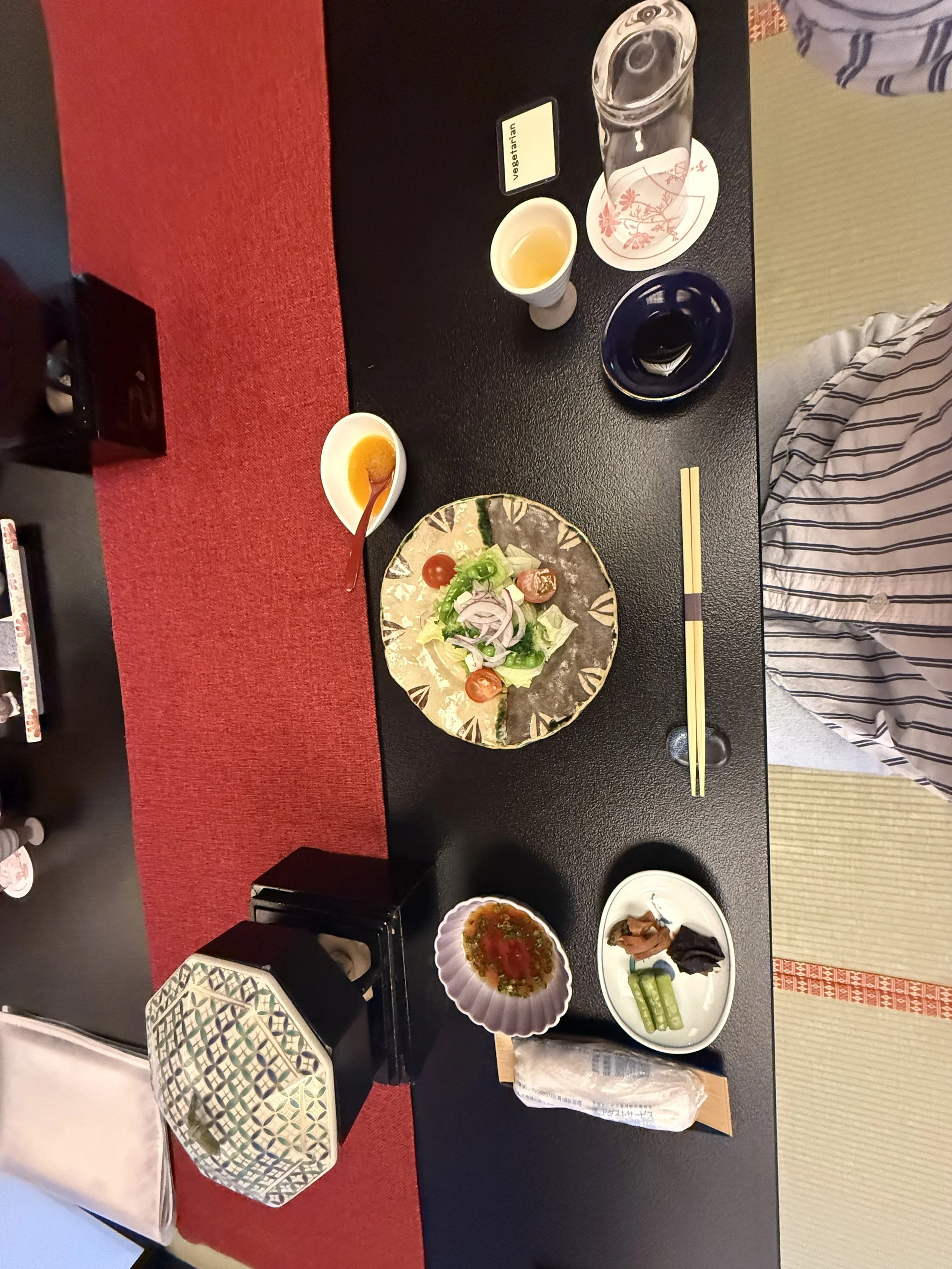
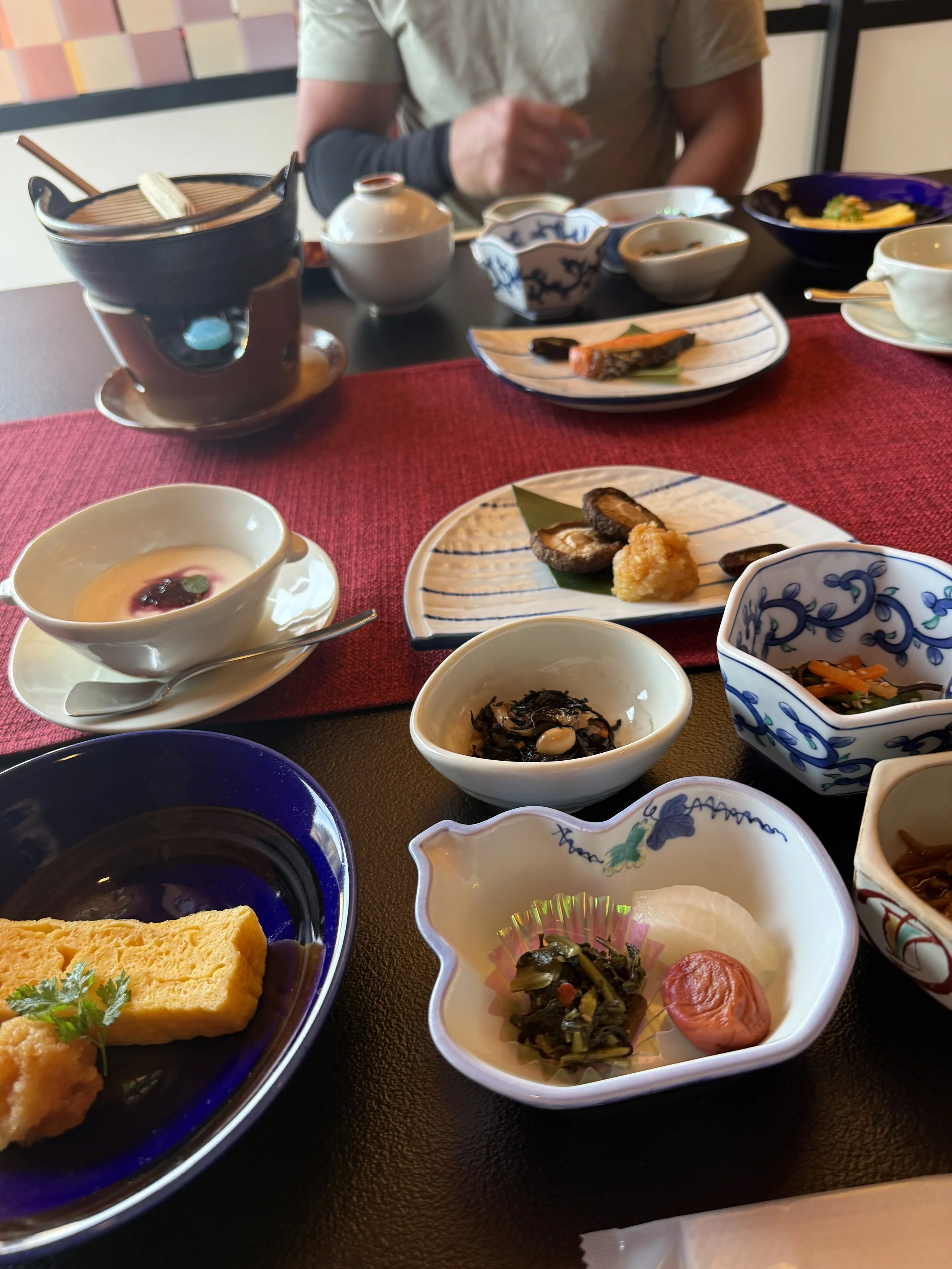
Evening: Relaxed Kaiseki-Style Dinner (in the hotel) the hotels Japanese Kaiseki dinner won a Best 100 Hotel award. Highly recommended for a high-quality 9-13 course kaiseki experience. Guests describe the meals as some of the best in Japan, featuring unique dishes like grated turnip and expertly prepared local produce in a relaxed setting.
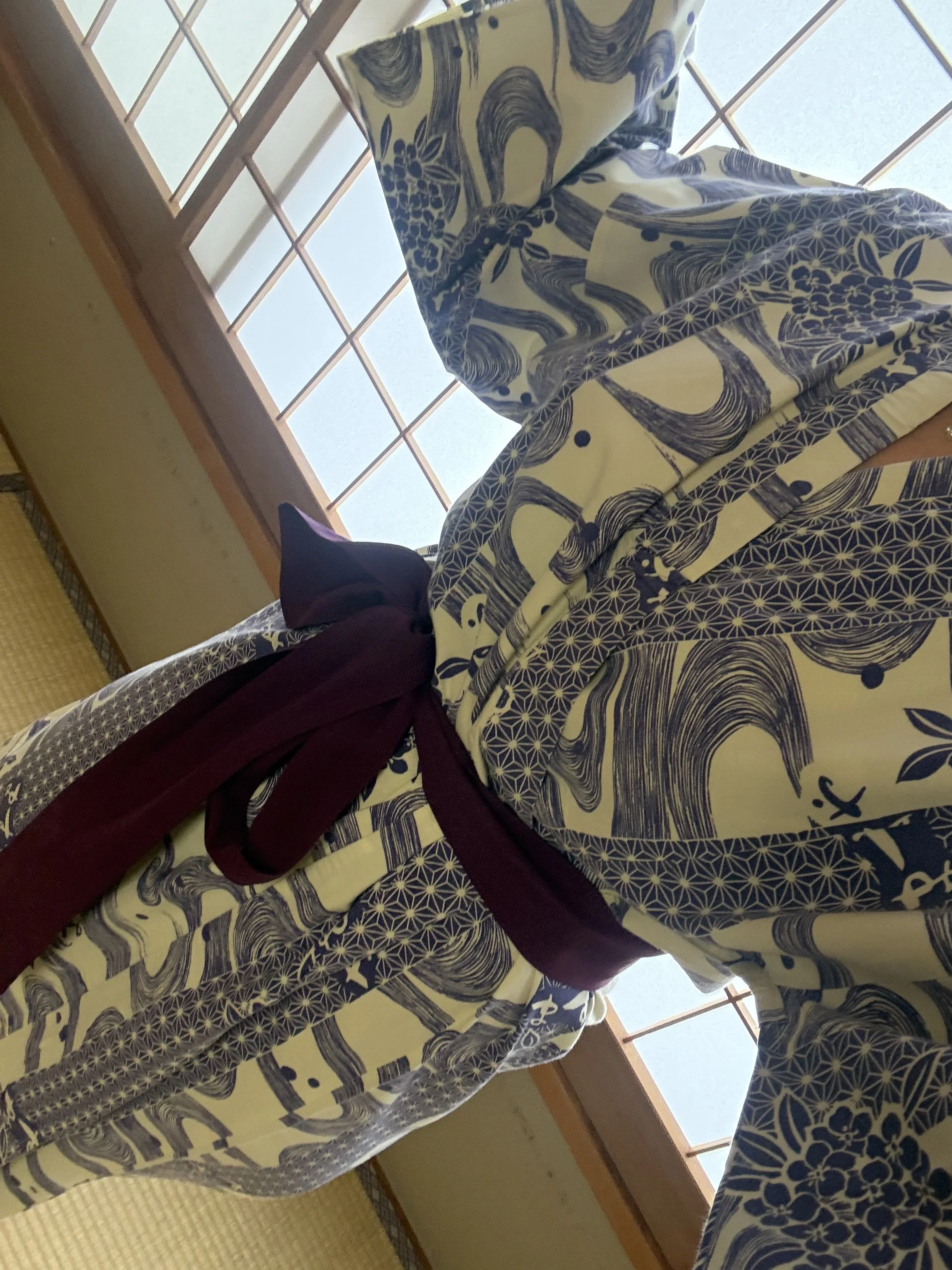
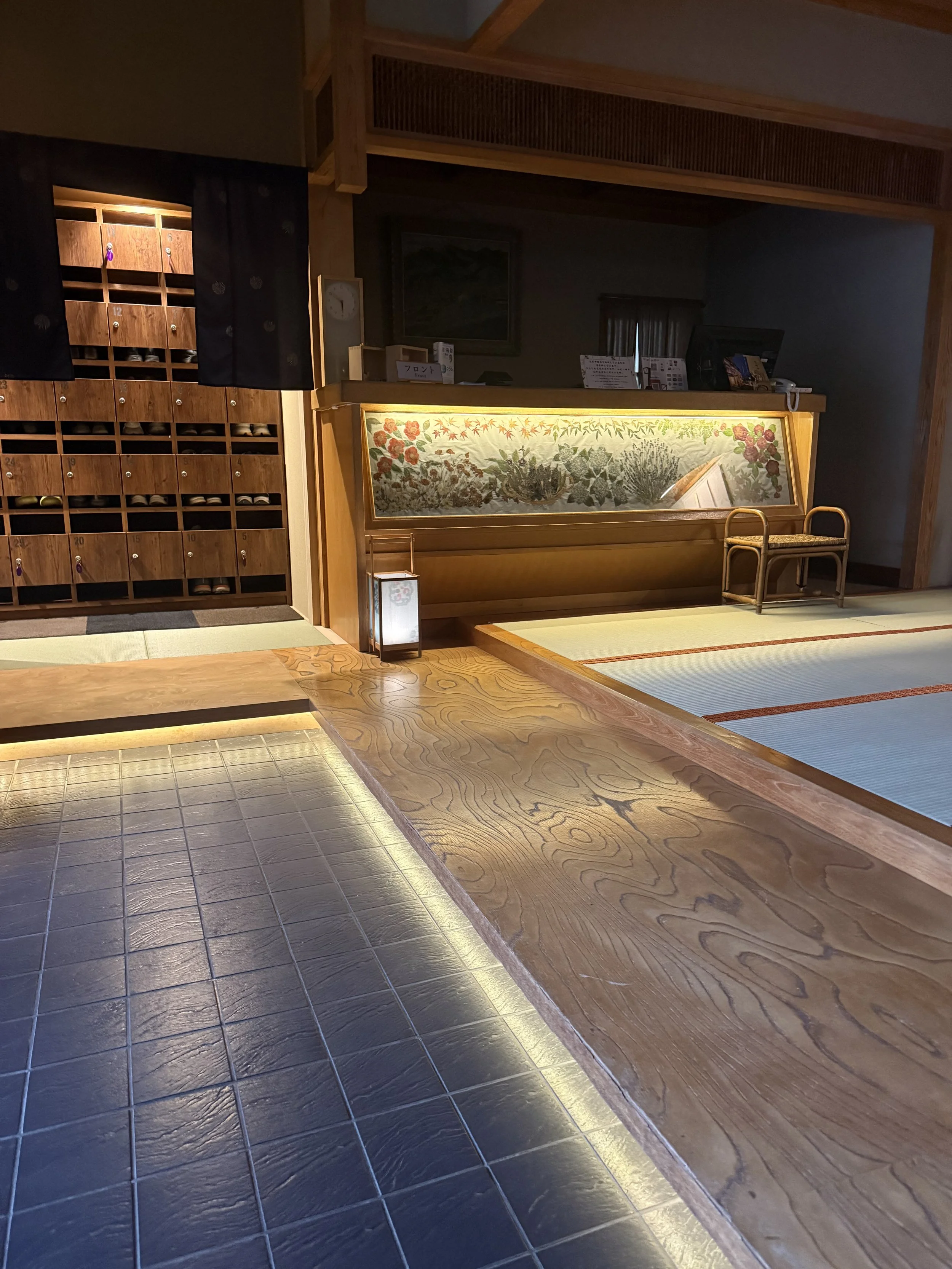
HOTEL: Wafu No Yado MASUYA (Japanese breakfast included & offers shuttle to Snow Monkey Park) - It’s a traditional Ryokan [A ryokan is a traditional Japanese-style inn featuring tatami-matted rooms, futon bedding, yukata robes, and communal onsen baths] https://masuya-yushinan.com/english/index.html
We highly recommend this hotel and town!!
Day #6: Matsumoto
Hotel: Matsumoto Marunouchi Hotel
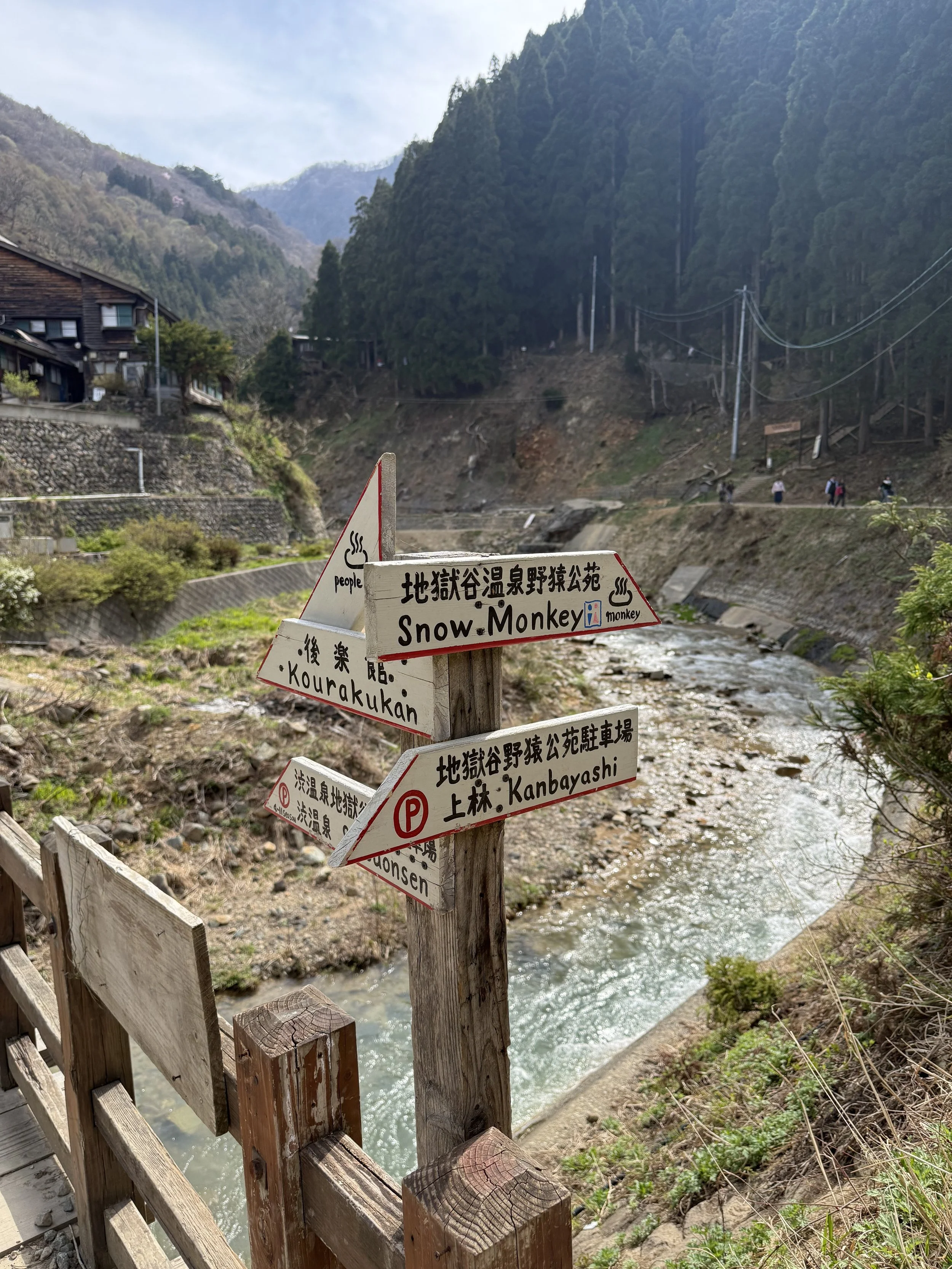
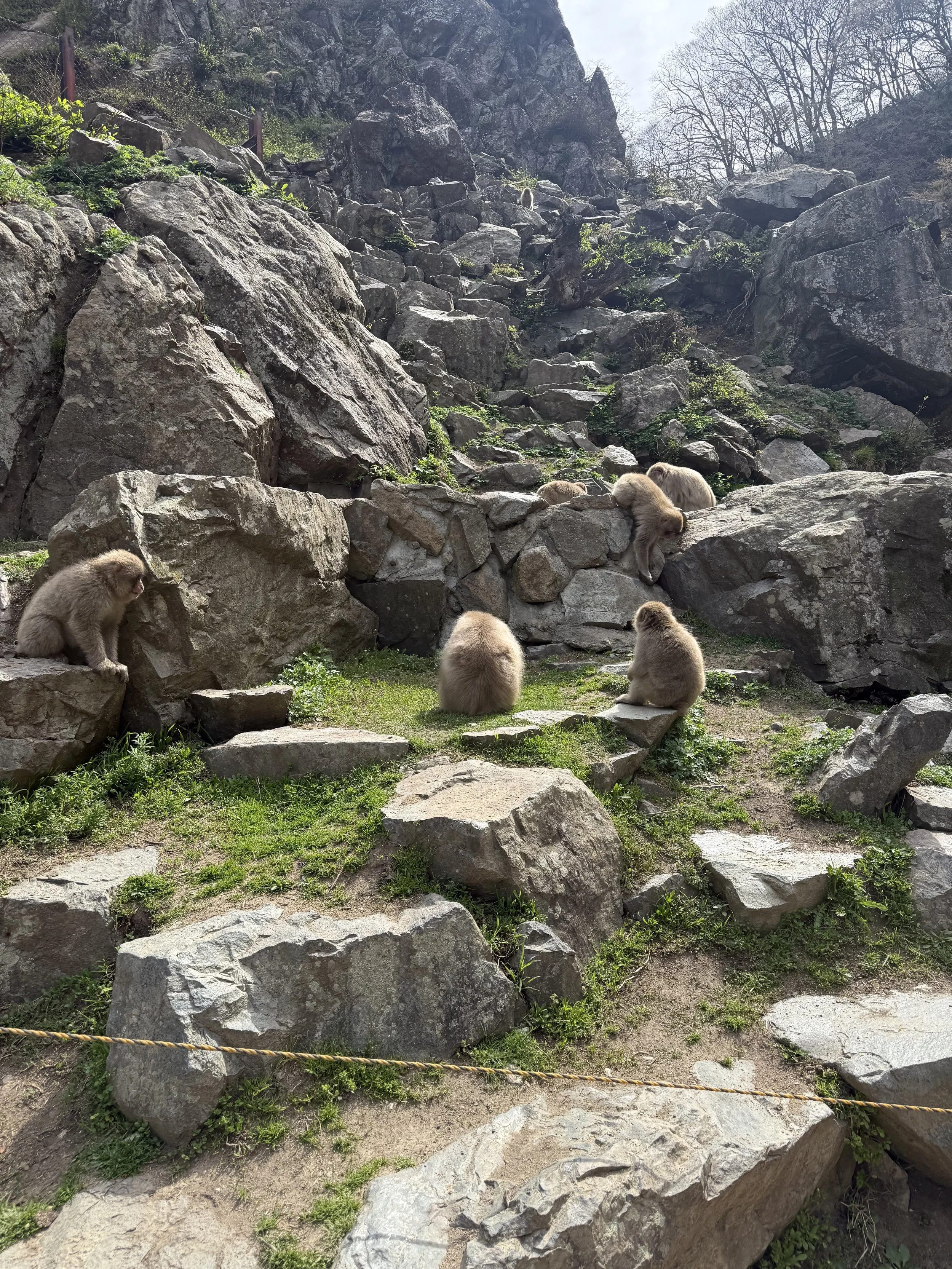
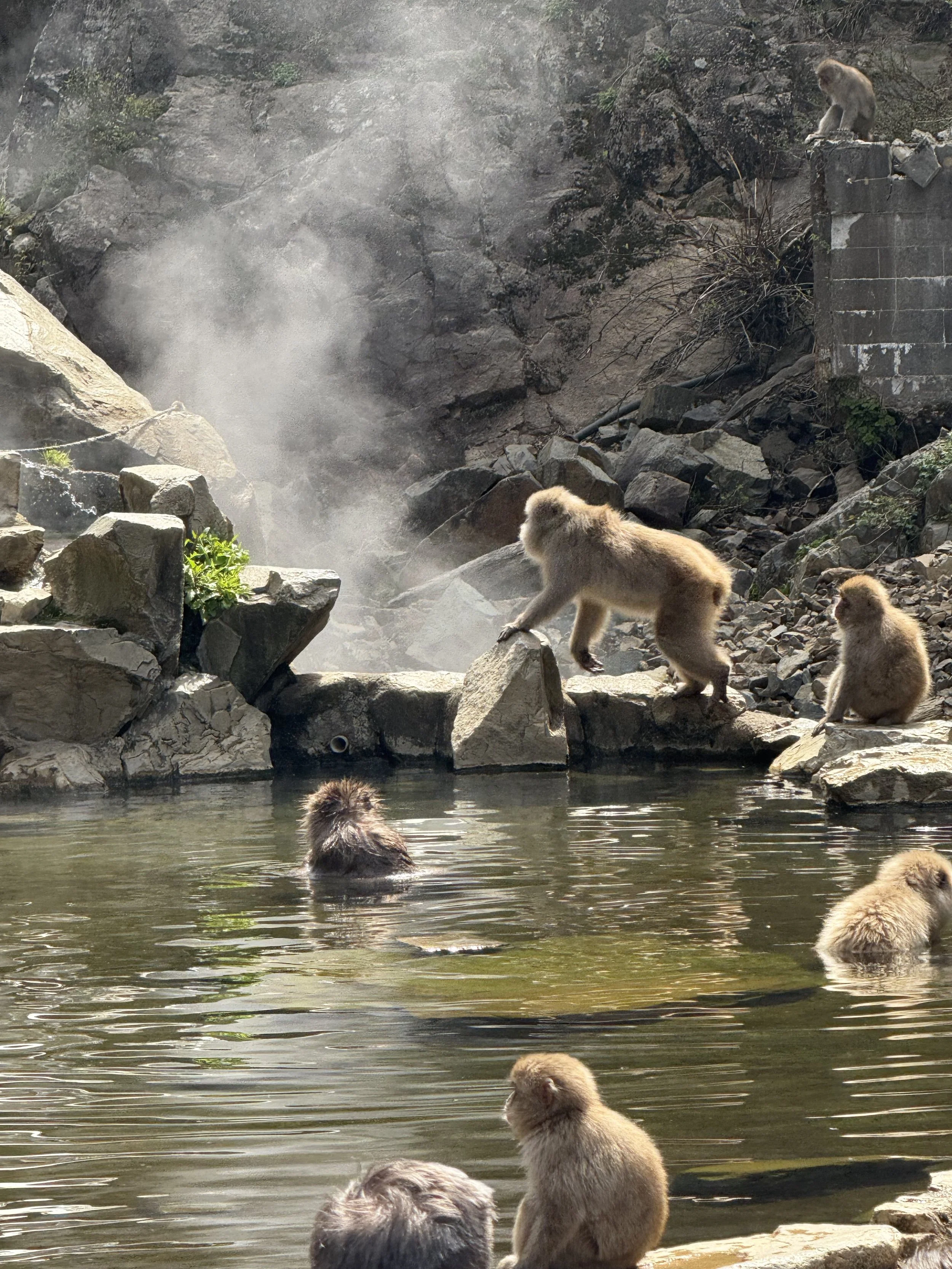
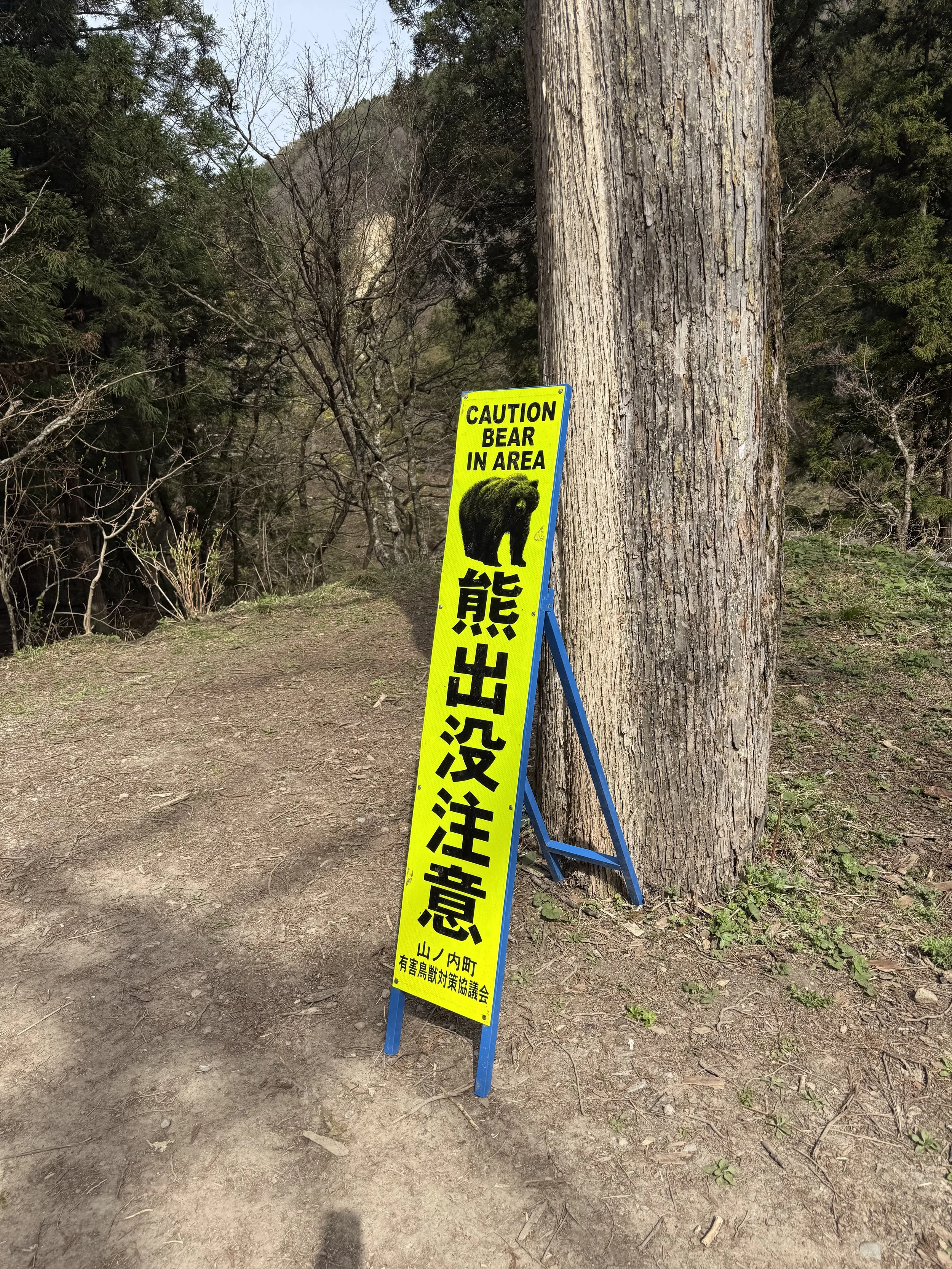
Morning: 8:30am Travel early to Snow Monkey Park - we decided to get a taxi there and then walk back (it was mainly downhill walking back but you need to keep an eye out for bears at certain times of years).
Visiting Shibu Onsen and the Jigokudani Snow Monkey Park in April offers a transition from winter to spring; monkeys are still present but less likely to bathe, and snow begins to melt. While peak, snowy, "hot spring-soaking" season ends in March, April offers milder temperatures, early spring scenery, and the chance to see monkeys without the extreme cold.
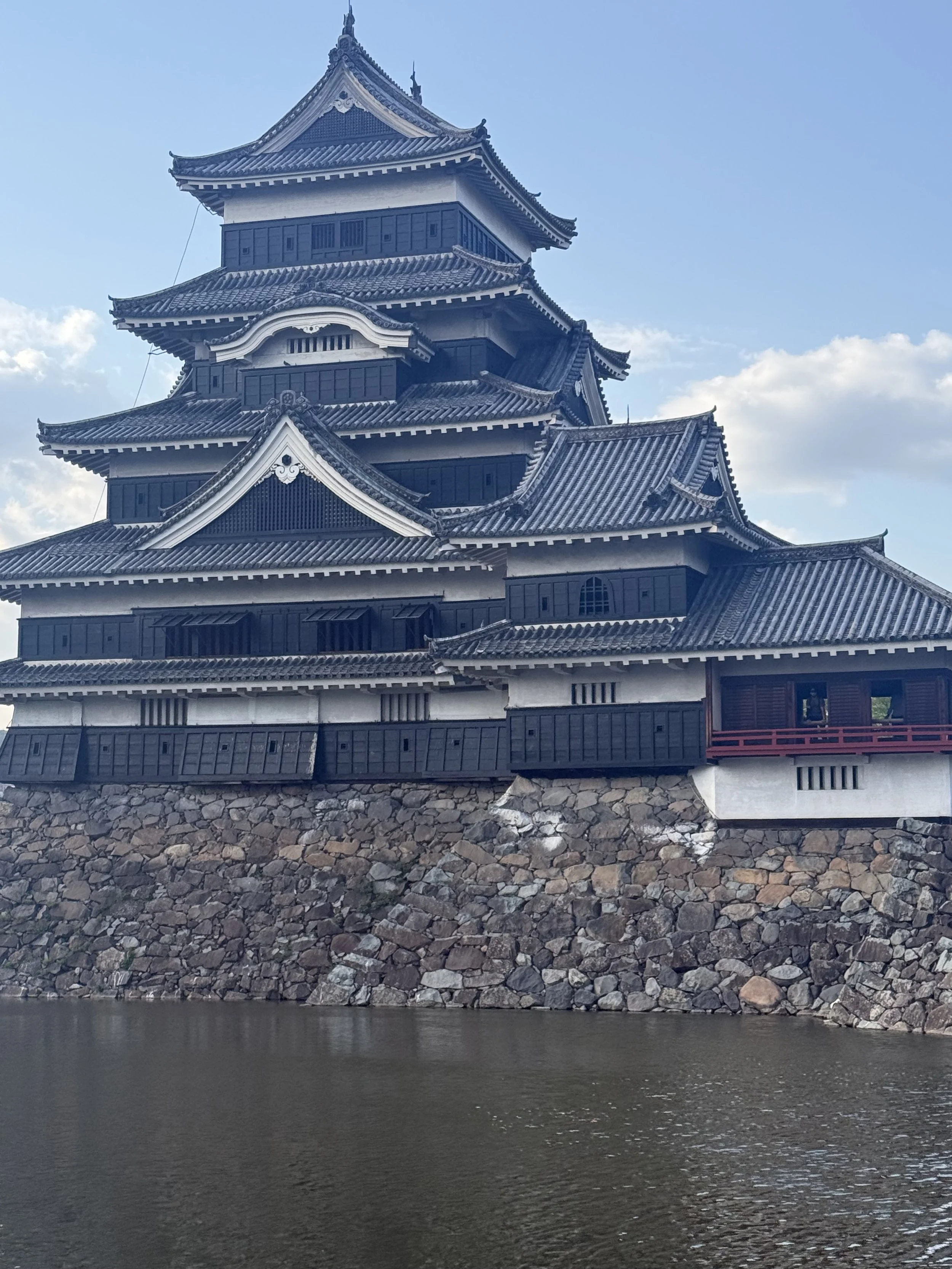
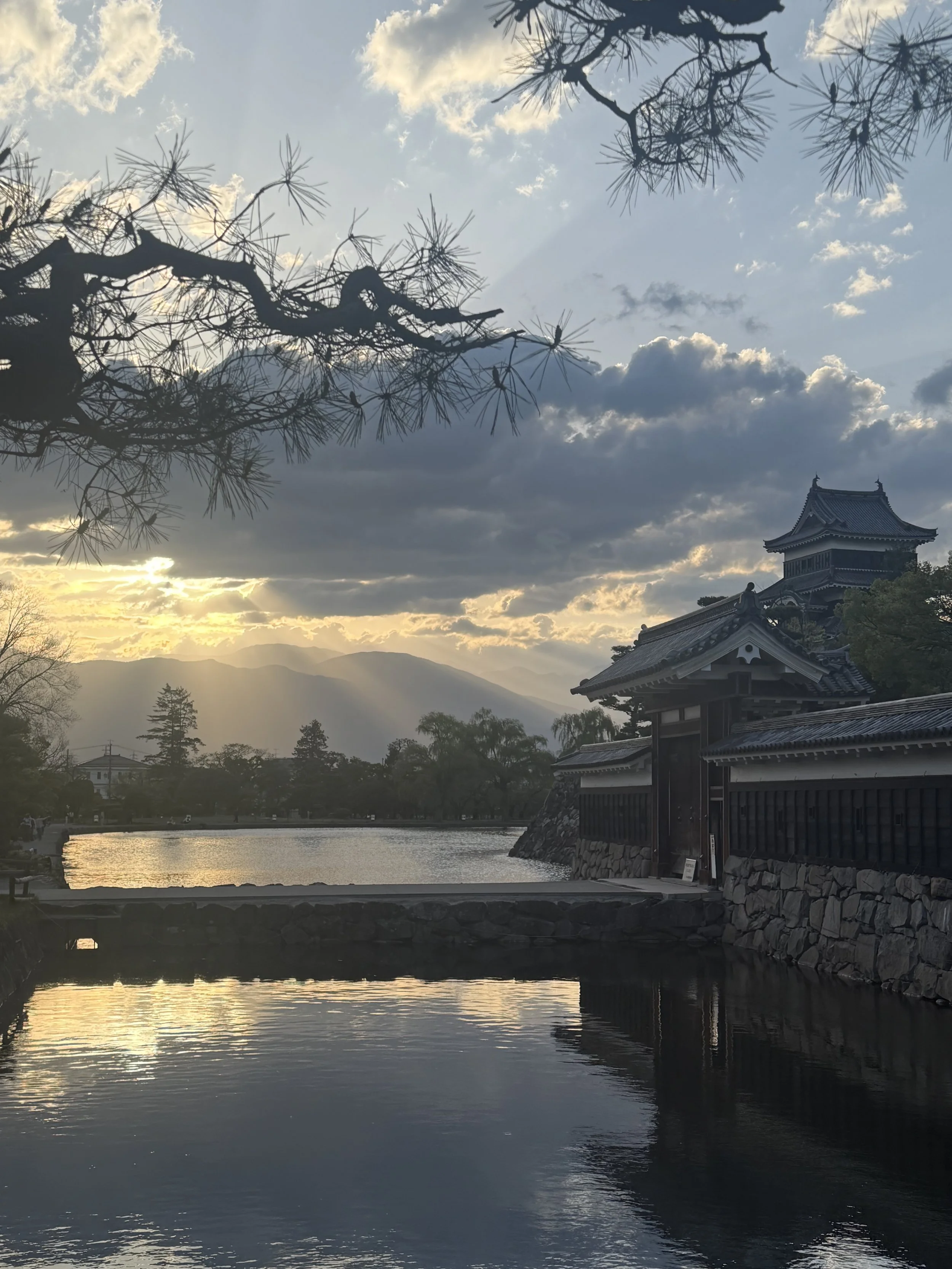
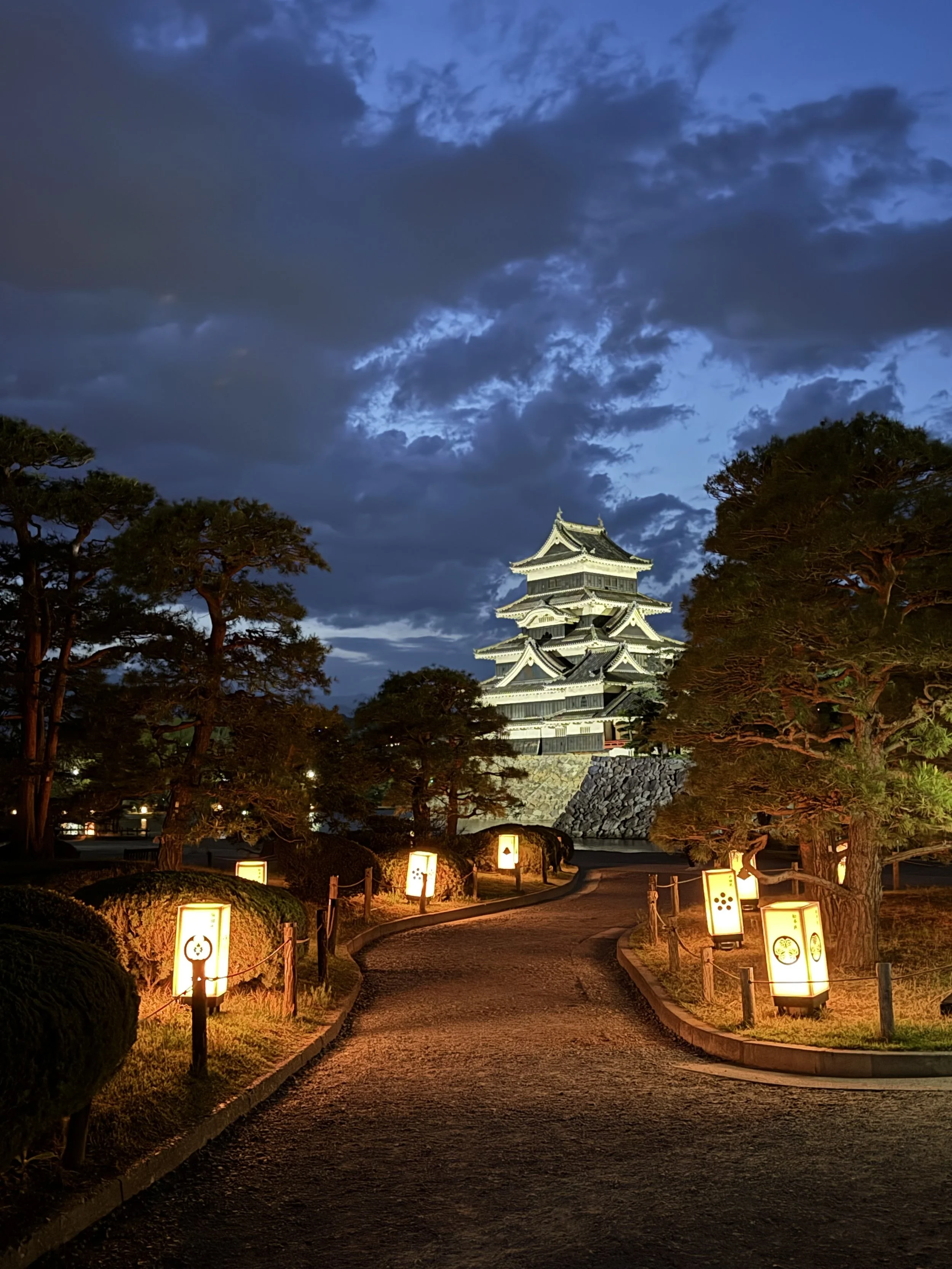
Afternoon: Matsumoto Castle Ground
Matsumoto Castle, a 16th-century "Crow Castle" with a striking black exterior, offers a stunning, iconic spring scene (early to mid-April) as its white and pink cherry blossoms bloom in stark contrast. The grounds,, specifically the Honmaru Garden, feature illuminated trees and traditional performances during the Nighttime Cherry Blossom Viewing, with free entry to the inner grounds.
Day #7: Takayama
Hotel: Hida-Takayama Musubi no Yu
Morning: Highway Bus: Matsumoto EXPWY Exit(10:05)⇒ Takayama Nohi Bus Center(12:28)[Pre-Booked]
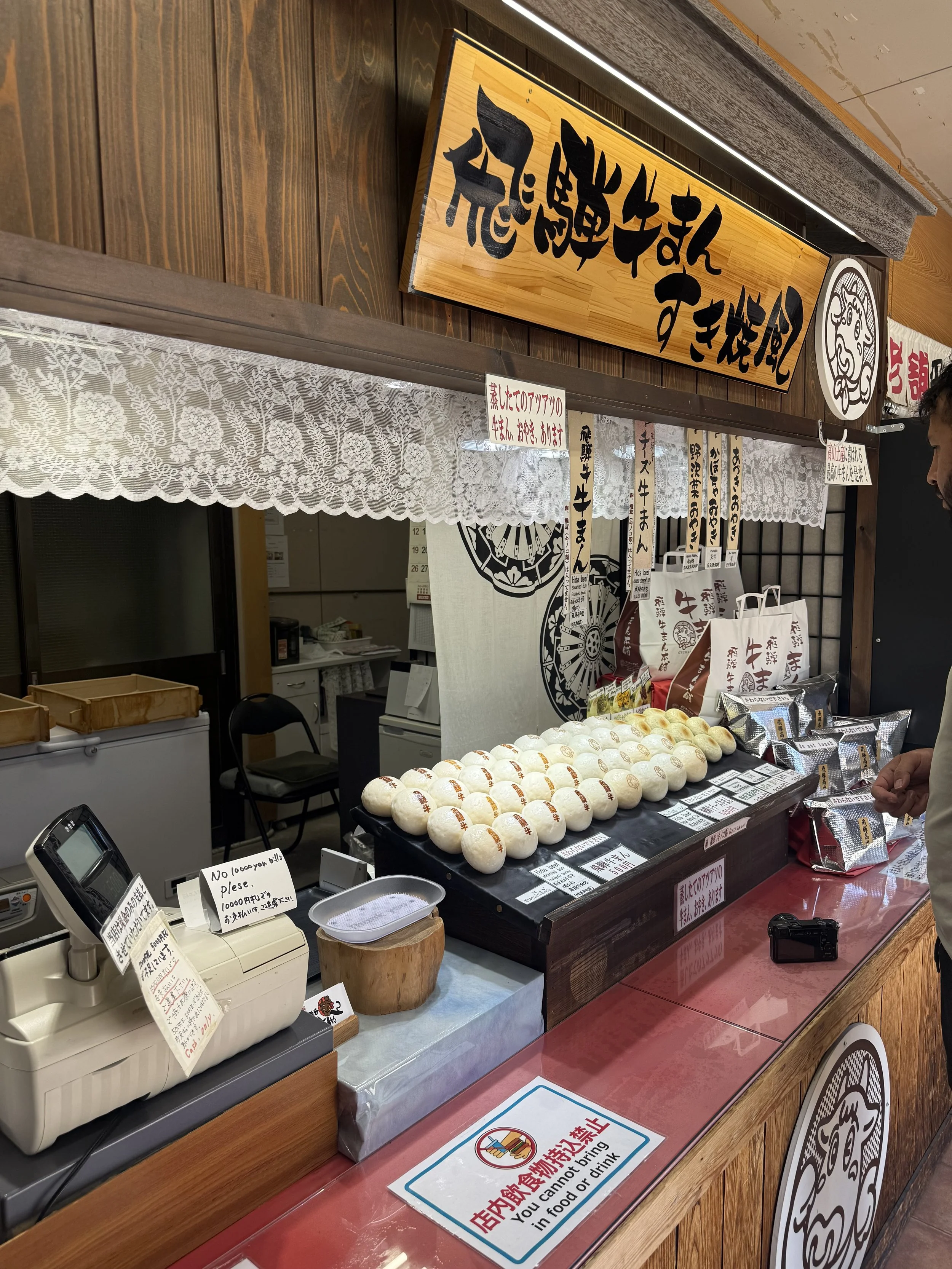
Afternoon: Takayama Old Town Walk. A walk through Takayama’s Old Town (Sanmachi Suji) offers an immersive journey into the Edo Period, featuring remarkably preserved wooden merchant houses, traditional sake breweries, and quaint cafes. Go inside the Takayama Jinya. From 1692 to 1869 this building was the seat of the region’s magistrate, the representative for the shogun, the military leader of Japan. And this is the only one of its kind from the Tokugawa Shogunate still in existence. Try Hida Beef the famous marbled meat raised in the region around Kobe. Probably the most common way of trying Hida beef in Takayama is to visit a barbecue restaurant. However, these restaurants are quite expensive compared to normal Japanese food prices. Given how prized Hida beef is, the high price of trying it makes sense. Travellers looking to spend less on trying the local delicacy do have options though. Small kiosks around the old town sell small bites. There’s also Sake Breweries. The traditional streets of Takayama, particularly in the Sanmachi Suji district, are widely regarded as one of the most well-preserved Edo-period areas in Japan, often called "Little Kyoto". At dusk, these narrow, wooden-latticed streets become exceptionally atmospheric, quiet, and evocative, making them ideal for photography and tranquil evening strolls as the daytime crowds dissipate.
This place felt like somewhere the locals go on holiday, we managed to buy some amazing souvenirs and experience a lovely quiet environment while eating some amazing food.
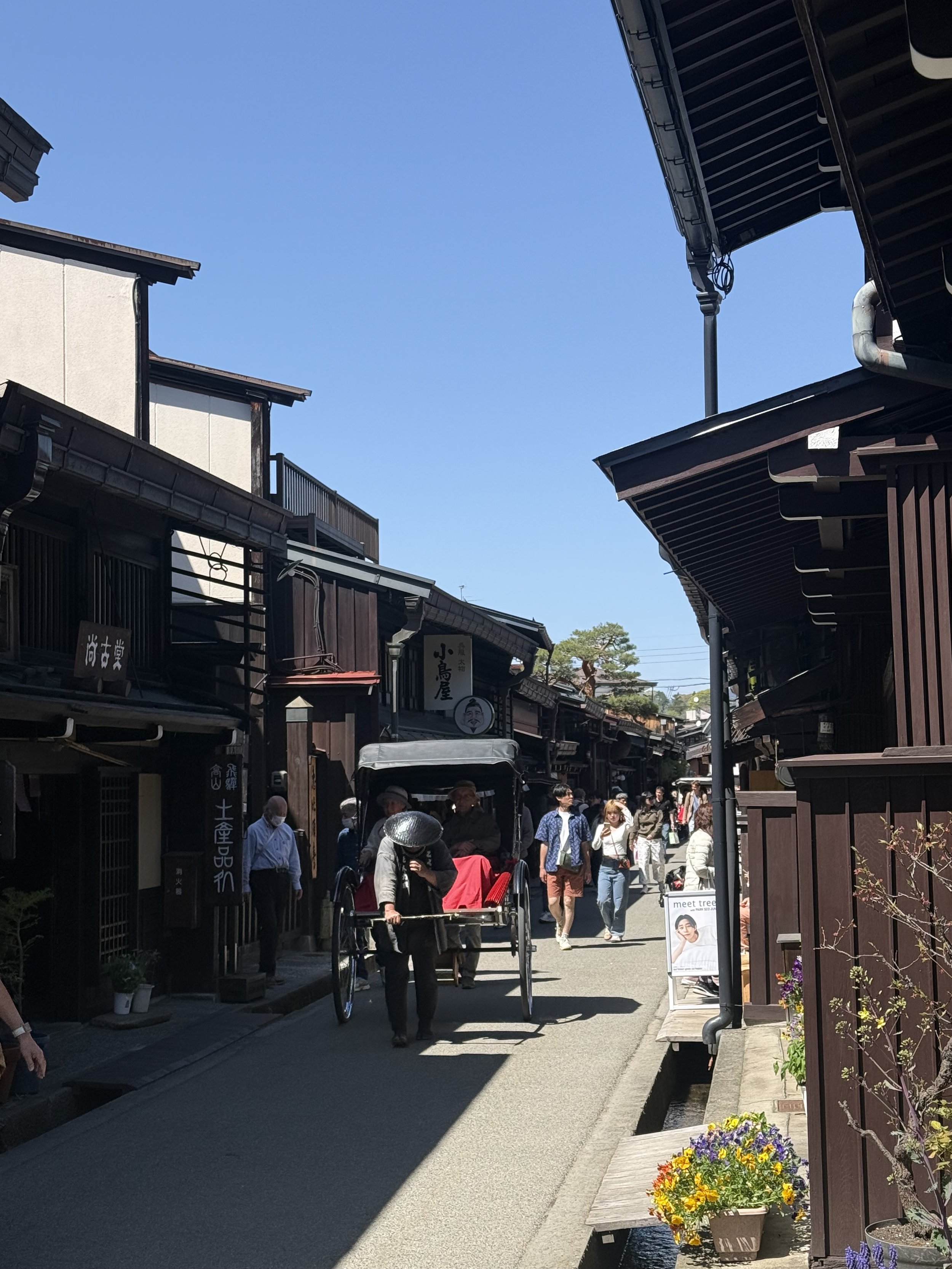
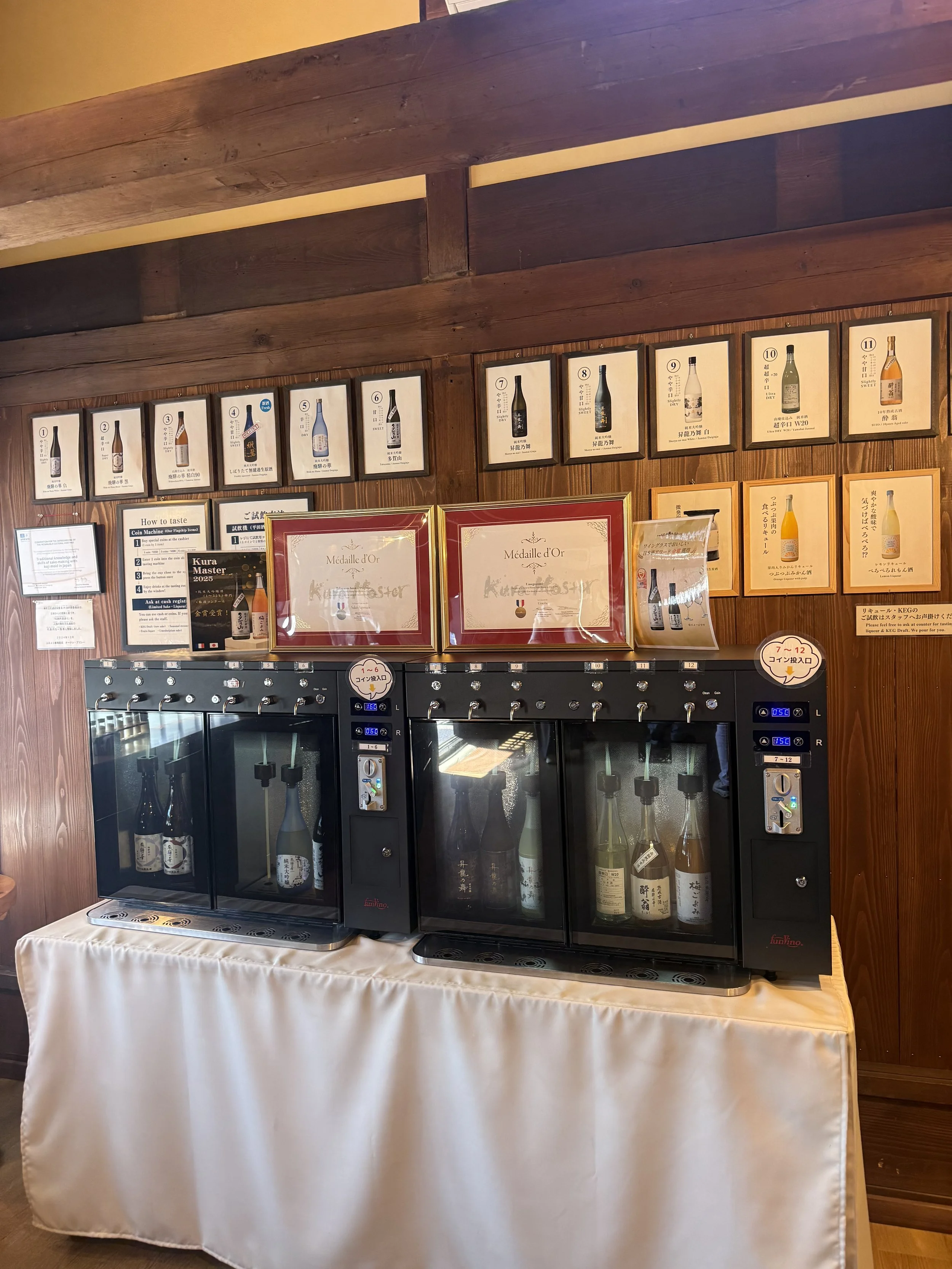
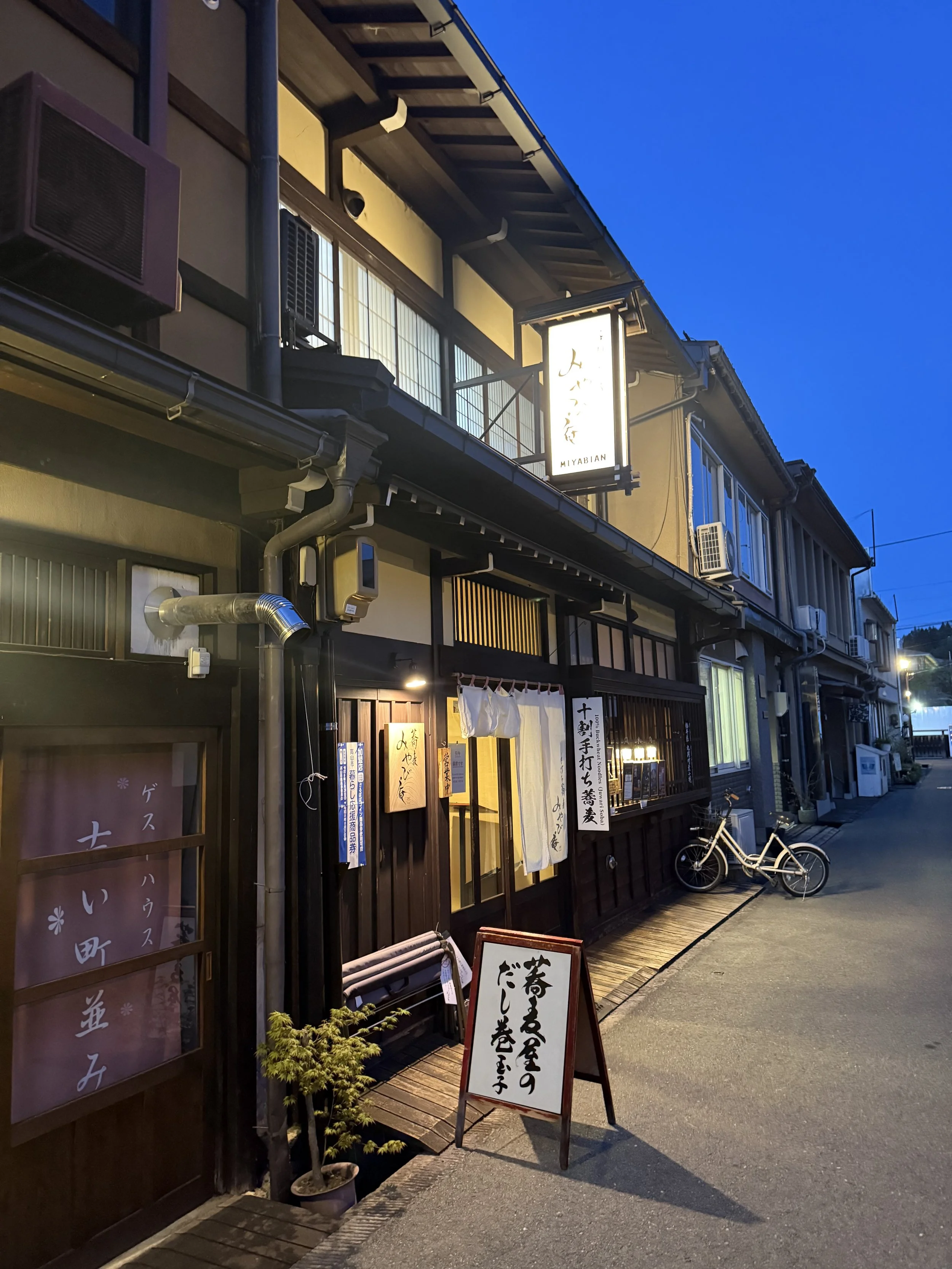
Day #8: Takayama, Shirakawa-Go & Kanazawa
Hotel: Hotel Nikko Kanazawa, Kanazawa
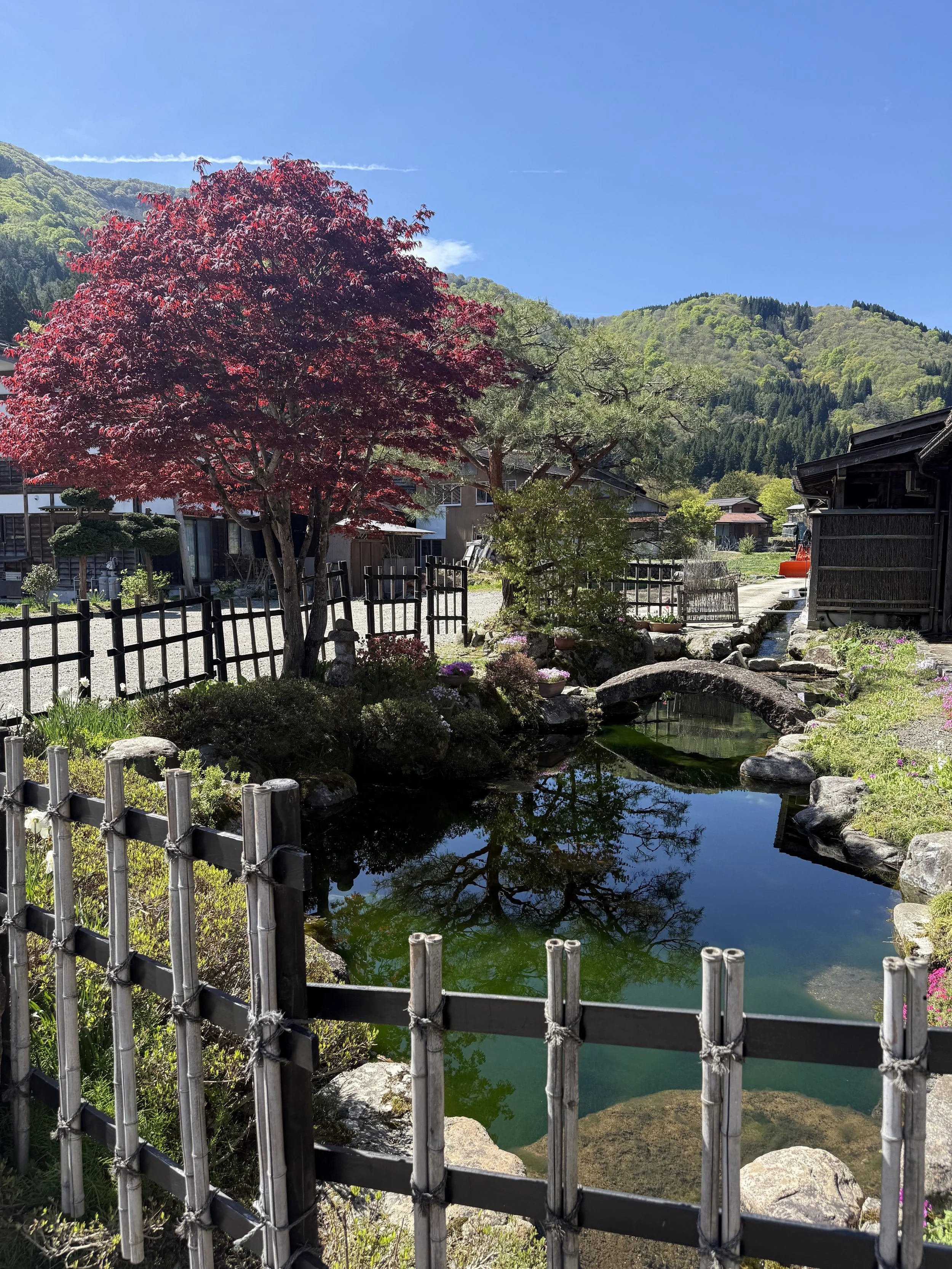
Early morning: Viator Trip - Takayama to Kanazawa via UNESCO Shirakawa-go (meet at 8:20am). This was a one-way journey where they took you and your suitcases from Takayama to Kanazawa but stopping at the famous Shirakawa-Go
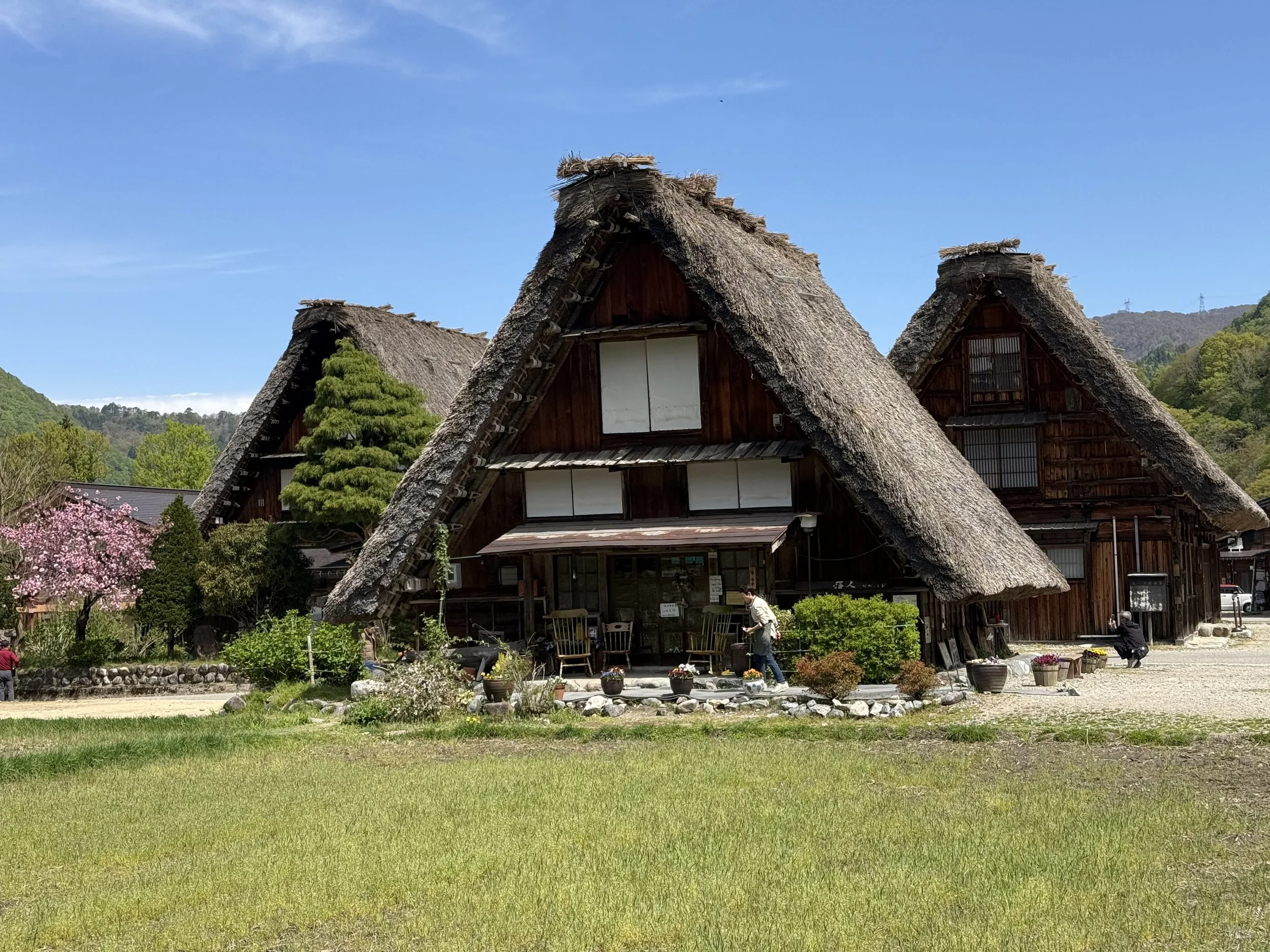
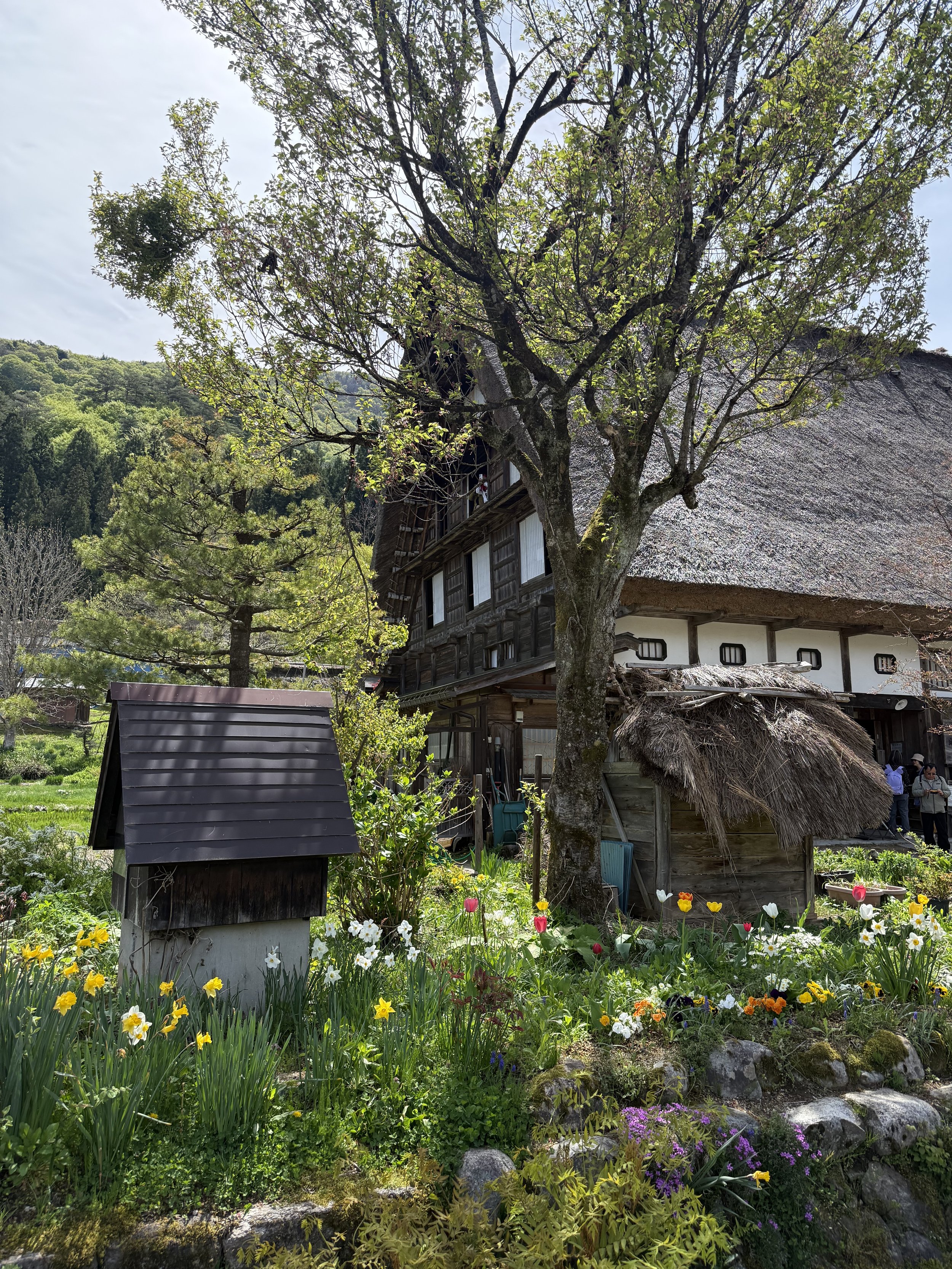
Shirakawa-go (UNESCO village) Roughly 2/3 hours here
Visiting Shirakawa-go in April offers a transition from winter snow to spring, featuring melting snow patches, early cherry blossoms, and lush greening, especially toward late April. As a UNESCO site in the Japanese Alps, it is best enjoyed with layers, waterproof shoes, and pollen protection. Key activities include visiting the Ogimachi observatory, viewing 300-year-old gassho-zukuri houses, and trying local Hida beef.
Afternoon: Viator trip continues on and take us to Kanzawa
Kanazawa, the capital of Ishikawa Prefecture on Japan’s west coast, is a culturally rich city renowned for its well-preserved Edo-period districts, samurai history, and gold leaf production. Often called "Little Kyoto," it features the stunning Kenrokuen Garden, Kanazawa Castle, and the 21st Century Museum of Contemporary
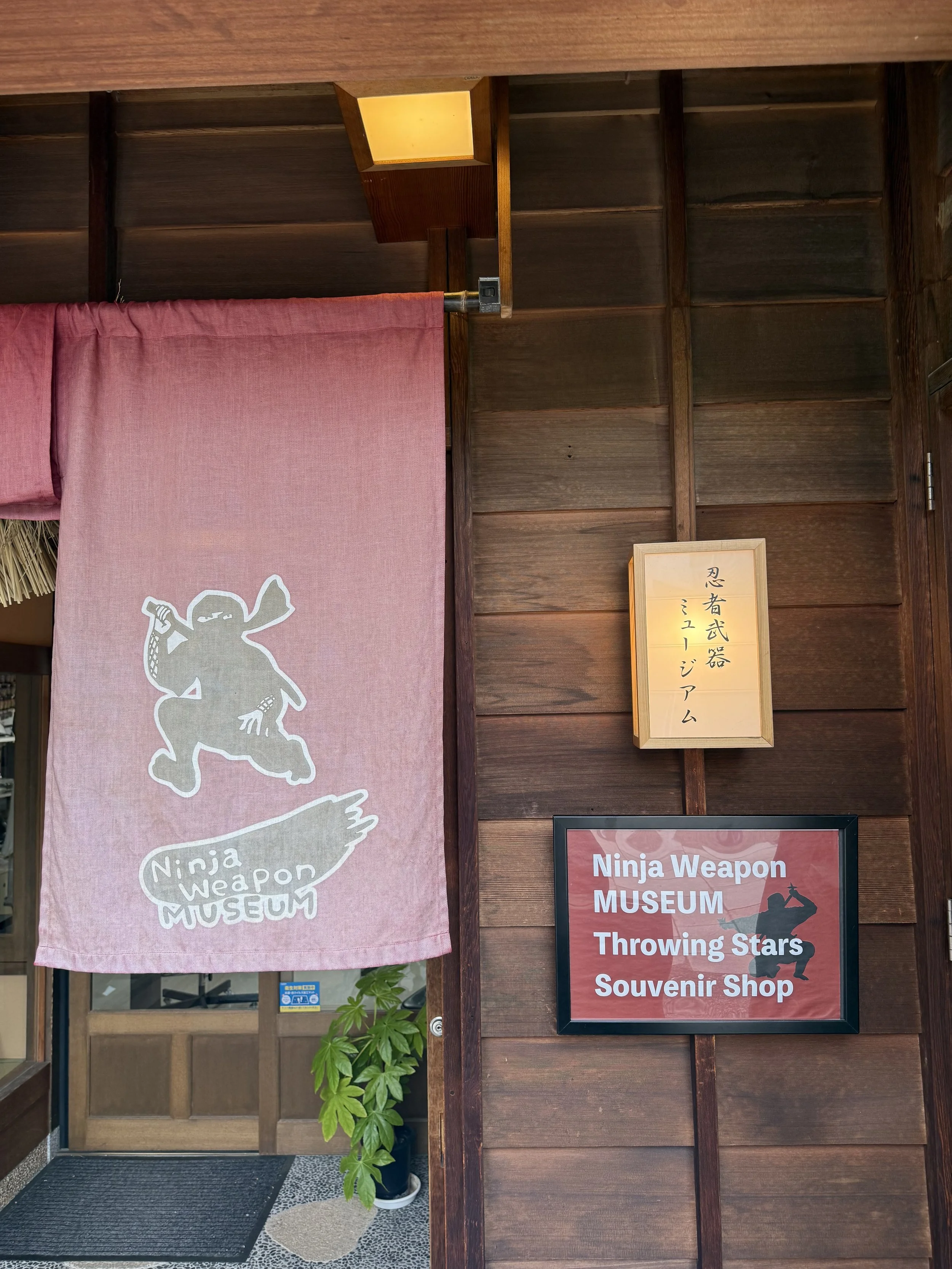
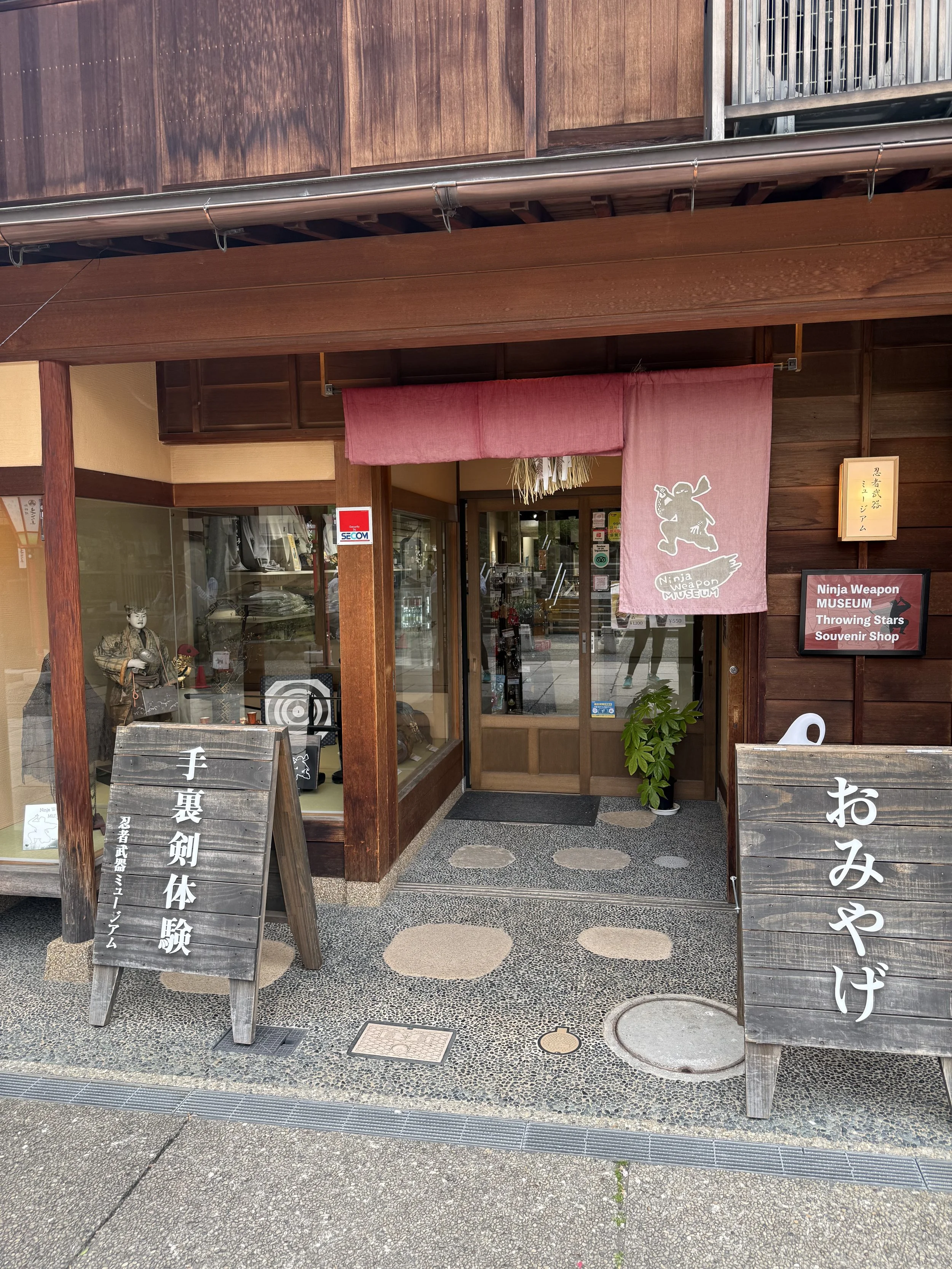
Ninja Weapon Museum (shuts at 5pm)
Nobody calls themselves a “Ninja”. Therefore, the image and history of Ninja are vague and filled with mystery. However, in almost every famous war, Ninjas were spoken to have played a big role in the battle. It was Ninja’s flawless sneak missions that led the then-smaller Samurai feudal lords to great victory.
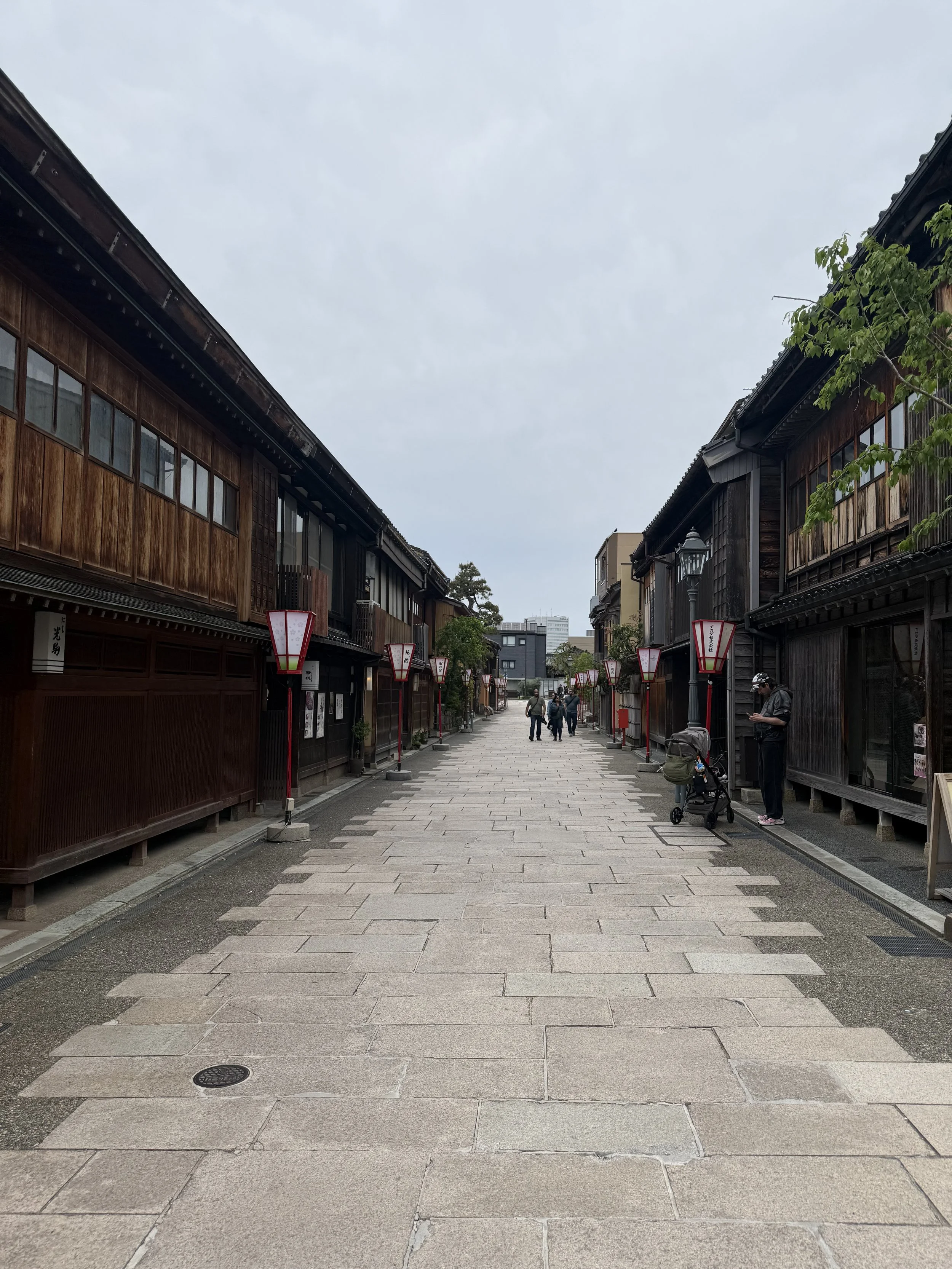
Evening Stroll in Higashi Chaya Geisha District
Traditional neighborhood with teahouses where geisha perform, plus shops selling gold-leaf crafts.Yes, you generally need to book geisha performances in advance to experience them in the Higashi Chaya district of Kanazawa as they are not public street shows. Specialized teahouses, such as Kaikaro, offer scheduled "Geisha Evenings" (typically in spring/autumn) featuring dancing, music, and games.
Key booking options include: Kaikaro Geisha Evenings: Requires advanced booking for evening performances with food and drink.
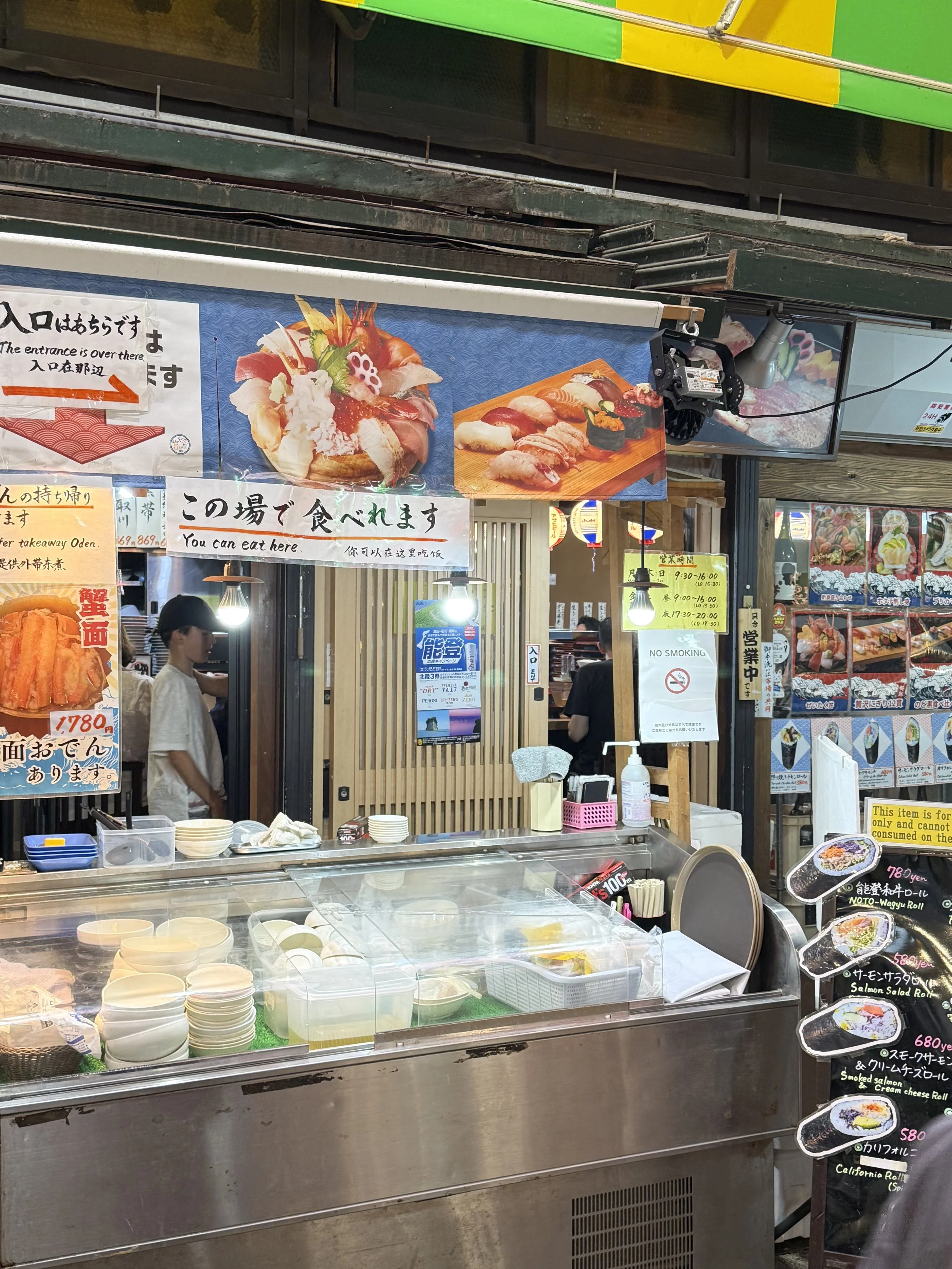
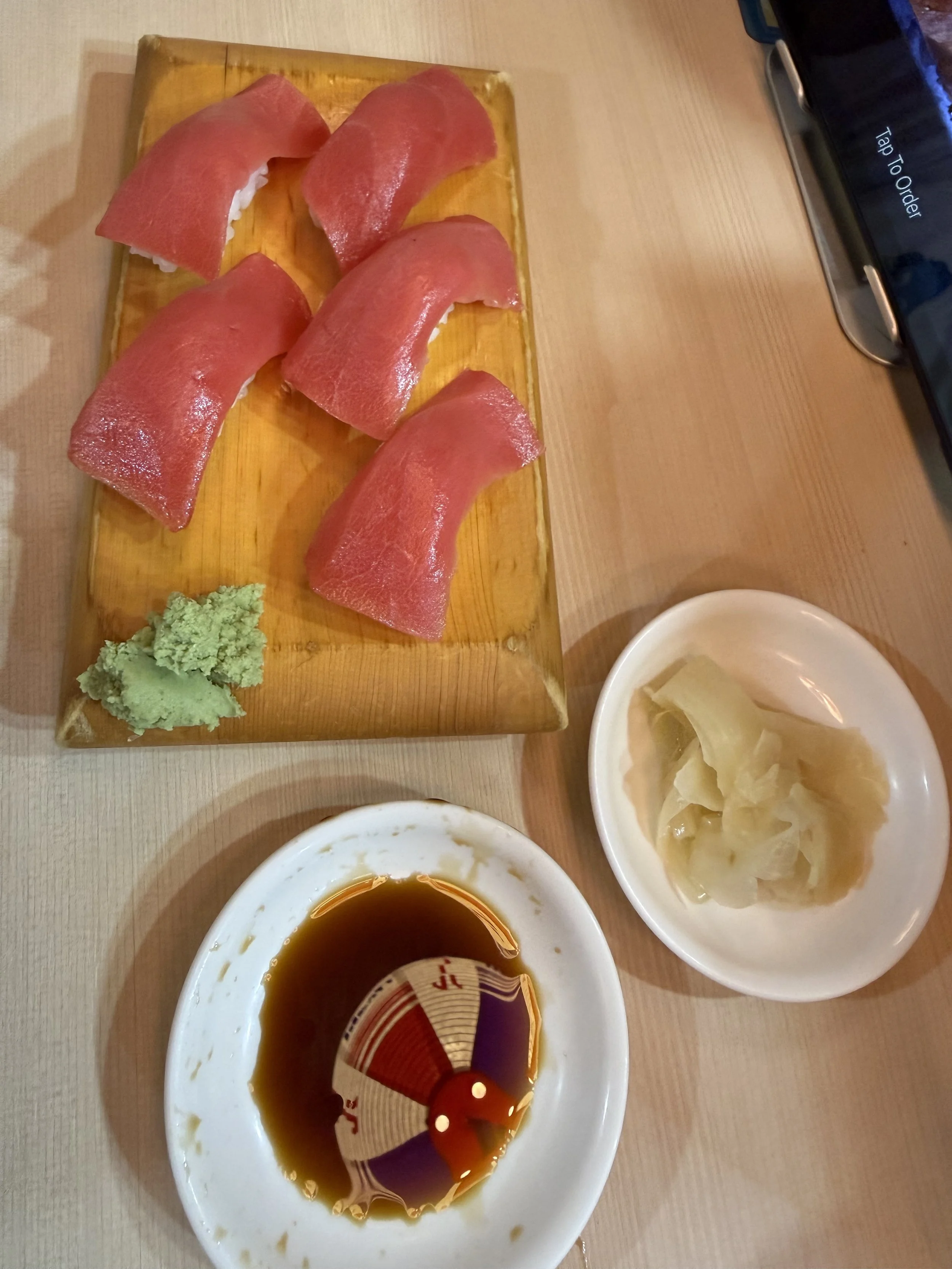
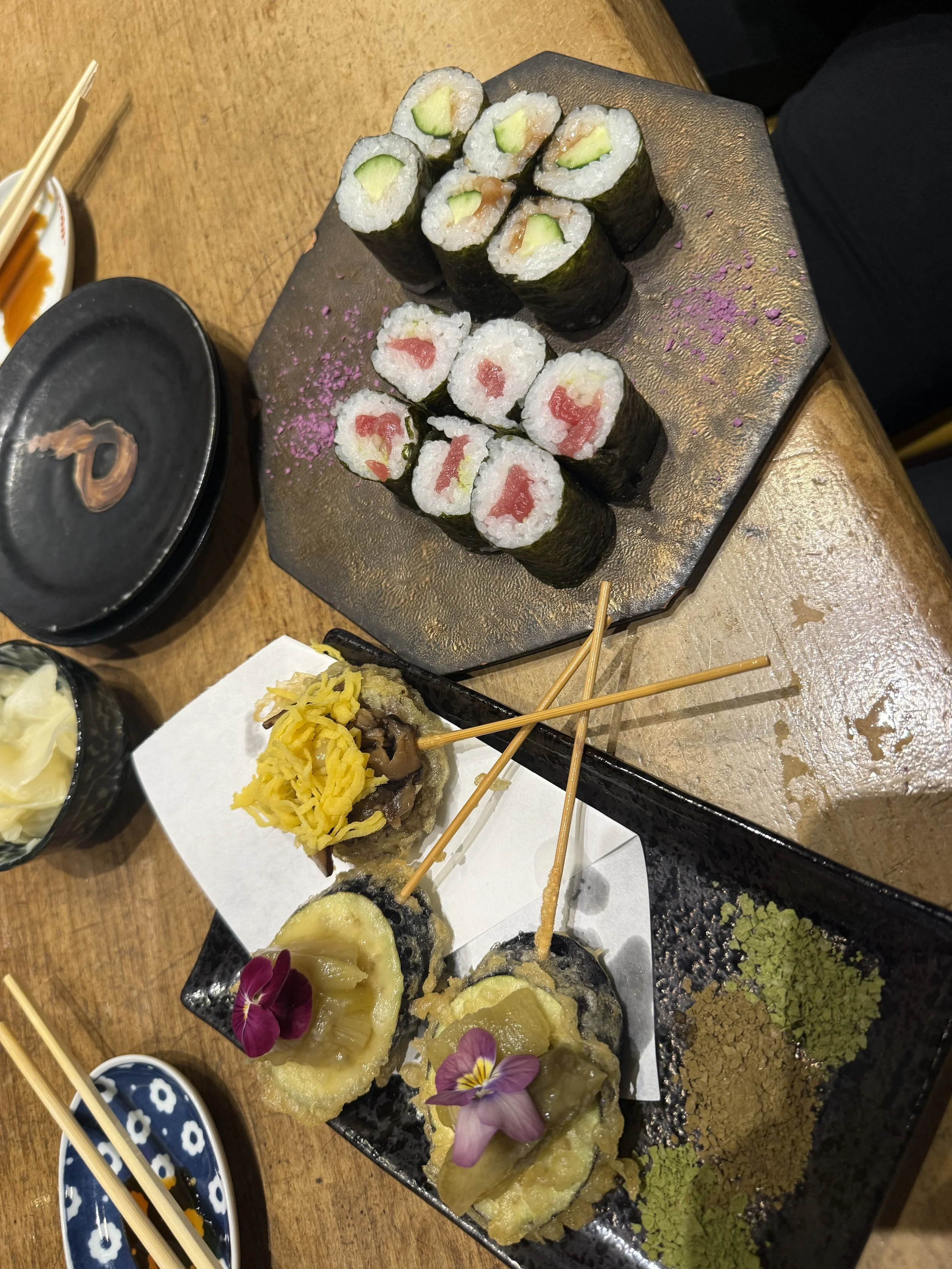
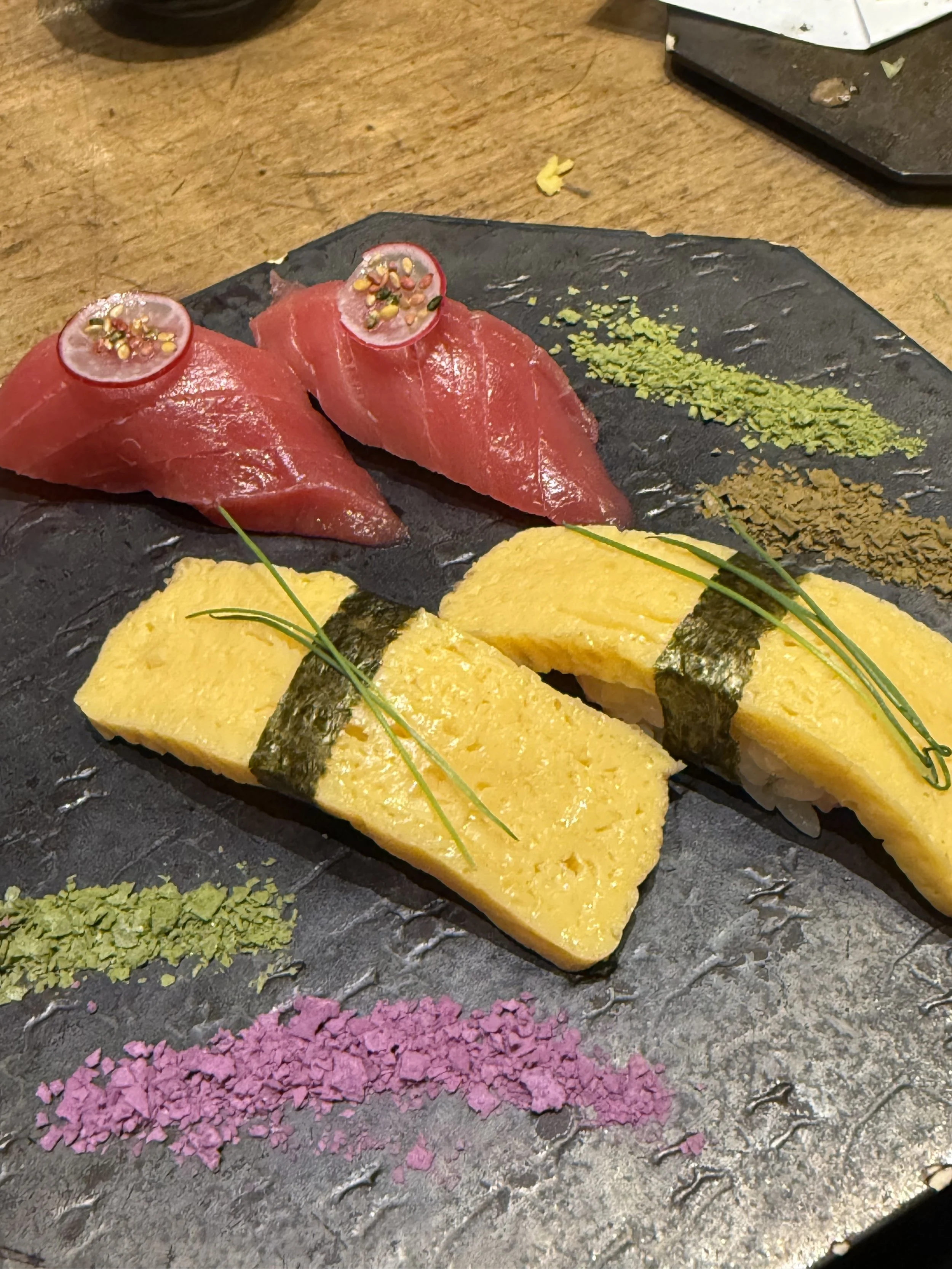
The seafood & sushi was exceptional in Kanazawa.
Our main mode of transport in Kanazawa was electric bikes.
Day #9: Kanazawa -> Kyoto
Hotel: Soraniwa Terrace, Kyoto (highly recommend)
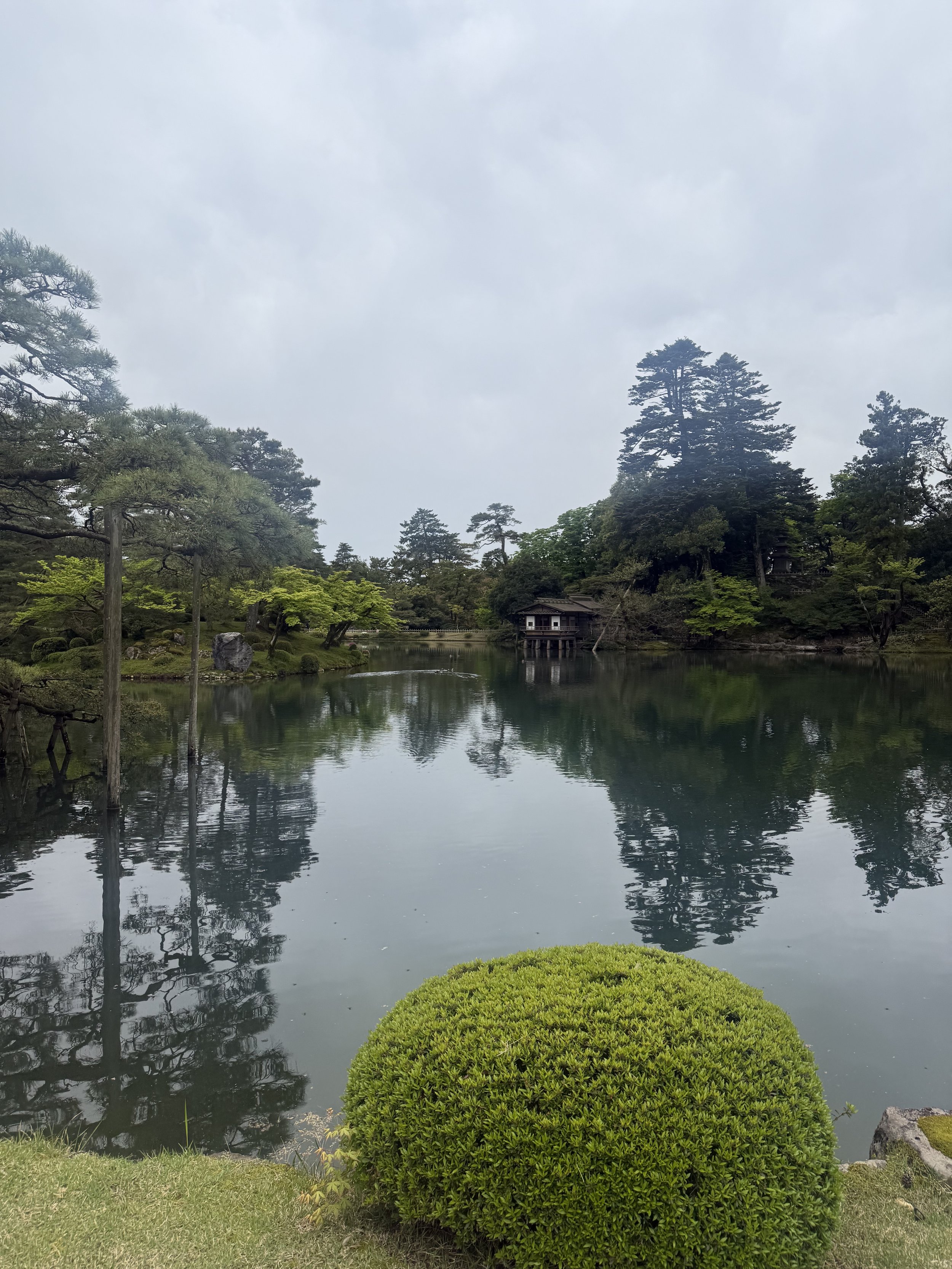
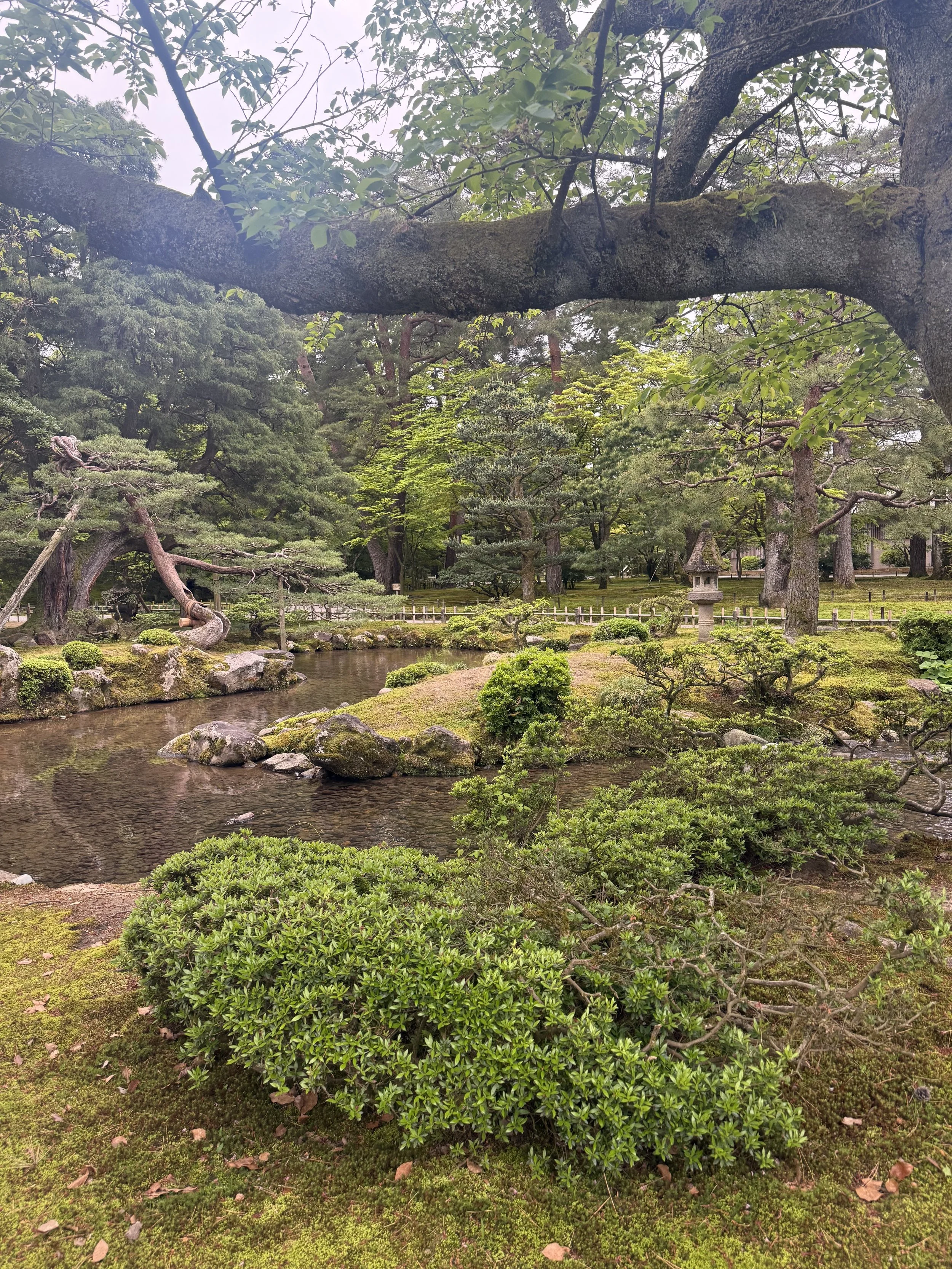
Morning: Kenrokuen Garden (top 3 in Japan) Kenrokuen, located in Kanazawa, is celebrated as one of Japan's "three most beautiful landscape gardens"
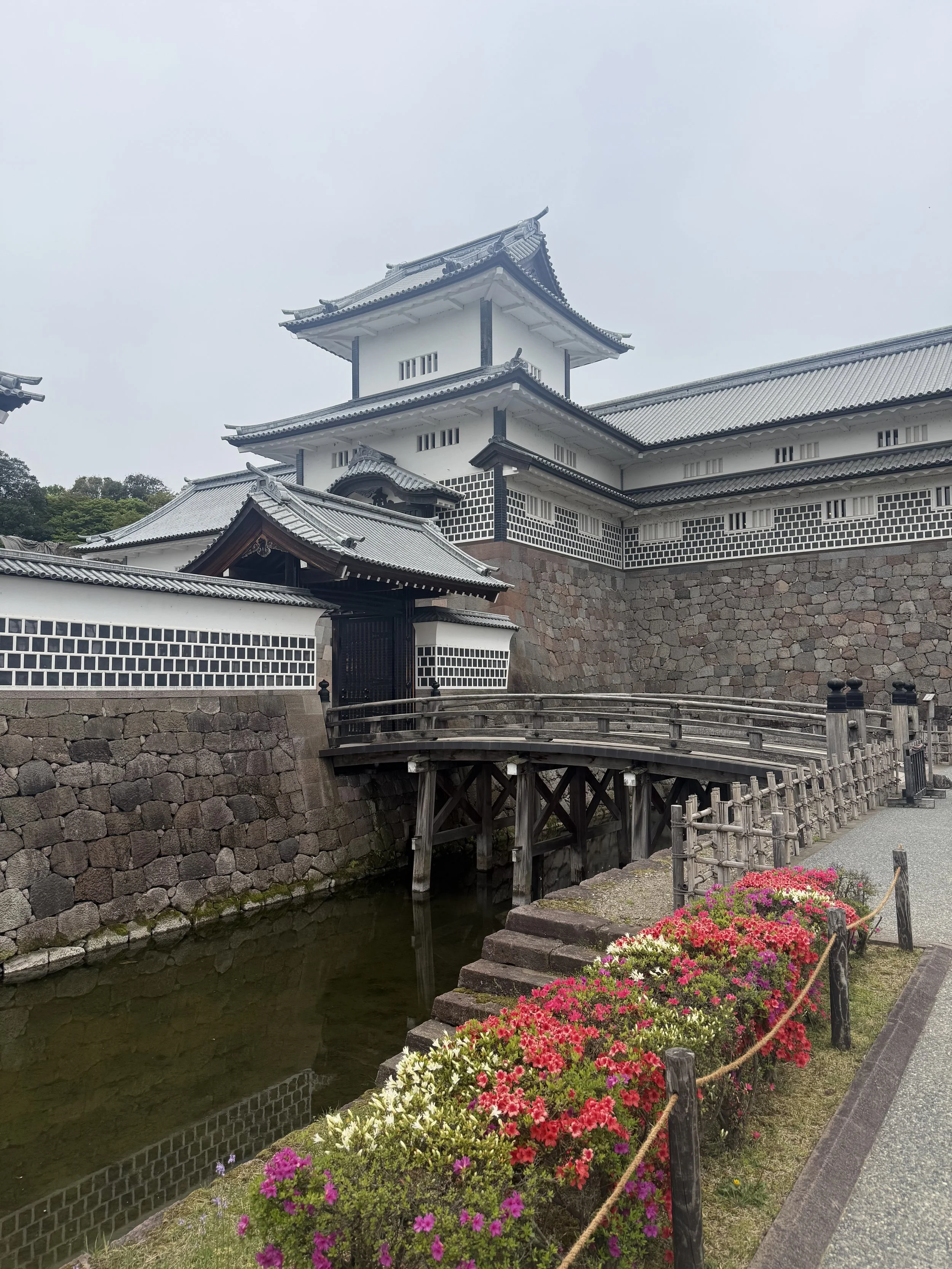
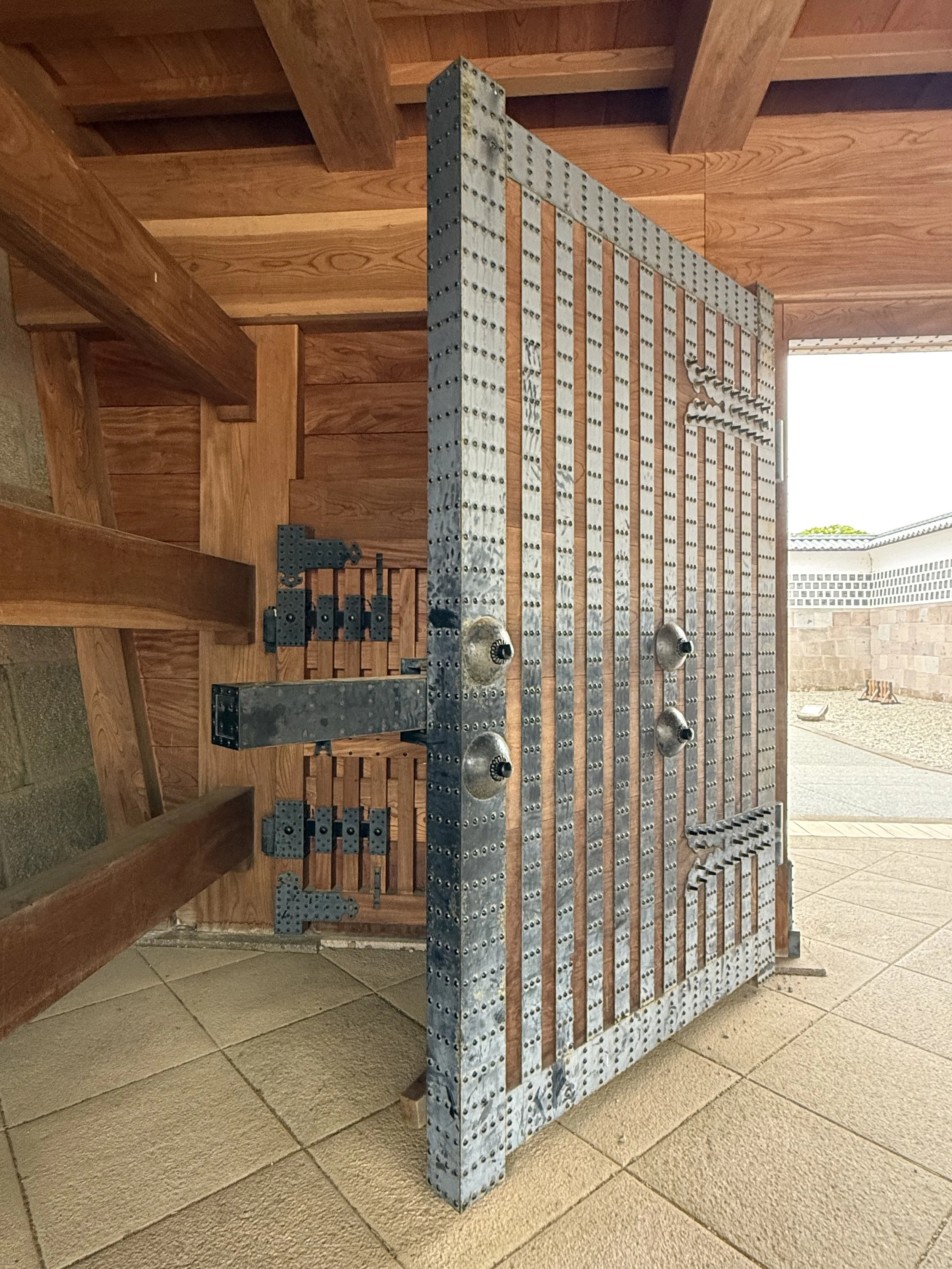
Kanazawa Castle Grounds one of Kanazawa's key historic landmarks. Once the home of the Maeda family, who governed the Kaga Domain – present day Ishikawa and Toyama – for over 280 years
Afternoon: 13:05 TRAIN to Kyoto change at Tsuruga 14:02 PRE-BOOKED Hokuriku Shinkansen 14:14 TRAIN from Tsuruga arrive at 15:09 in Kyoto PRE-BOOKED Limited Express (Thunderbird/Shirasagi)
Nishiki Market
Nishiki Market is a marketplace in downtown Kyoto, located on the east end of Nishikikōji Street, one block north and parallel to Shijō Street and west of Teramachi Street. Rich with history and tradition, the market is renowned as the place to obtain many of Kyoto's famous foods and goods.
Other things you could do include Japanese Tea Ceremony LINK or a Geisha Night Walk Tour LINK
Day #10: Kyoto
Hotel: Soraniwa Terrace, Kyoto
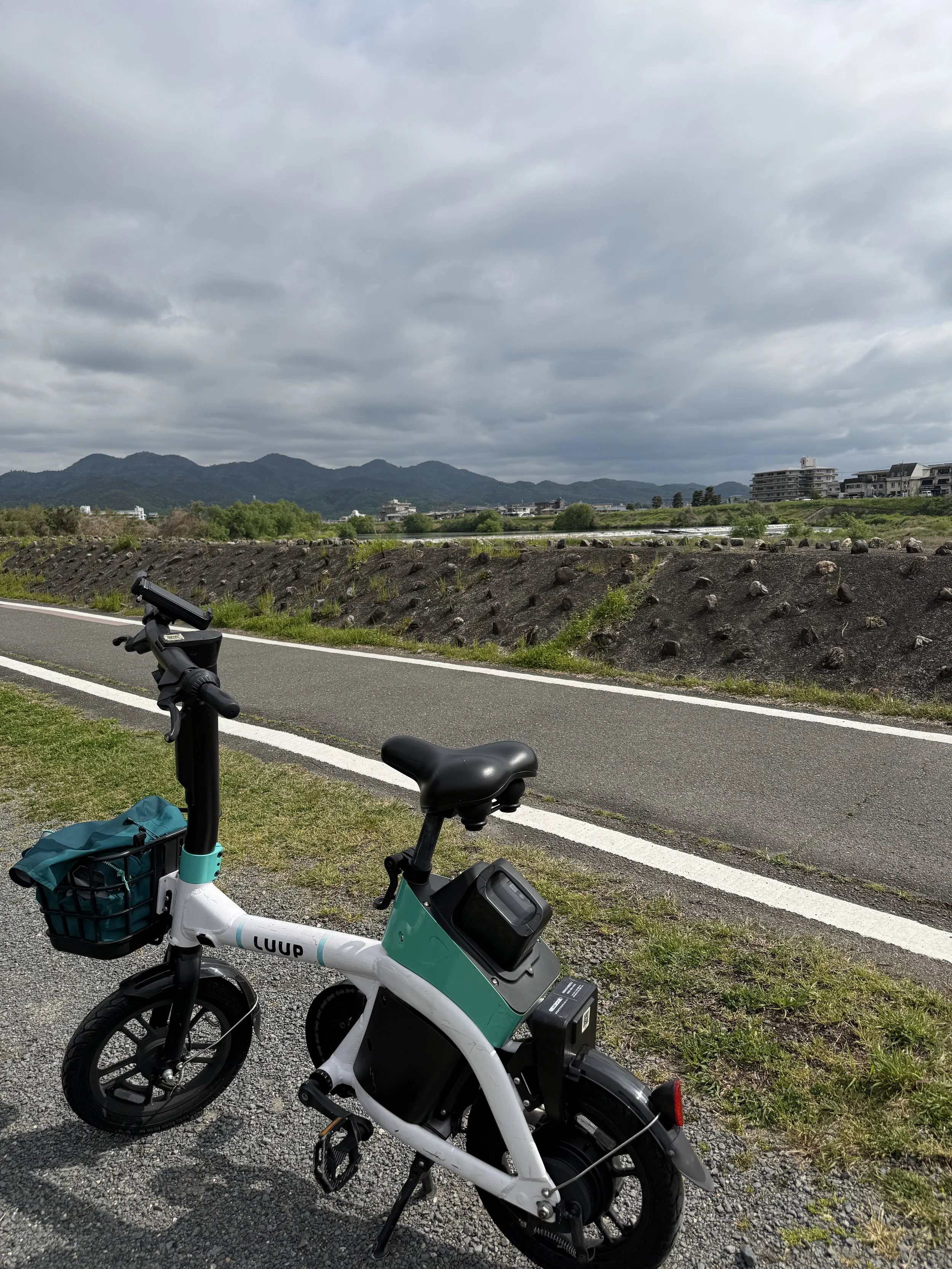
This was one of the most magical days of the whole trip, we used electric bikes to get to and from all places which was so much fun.
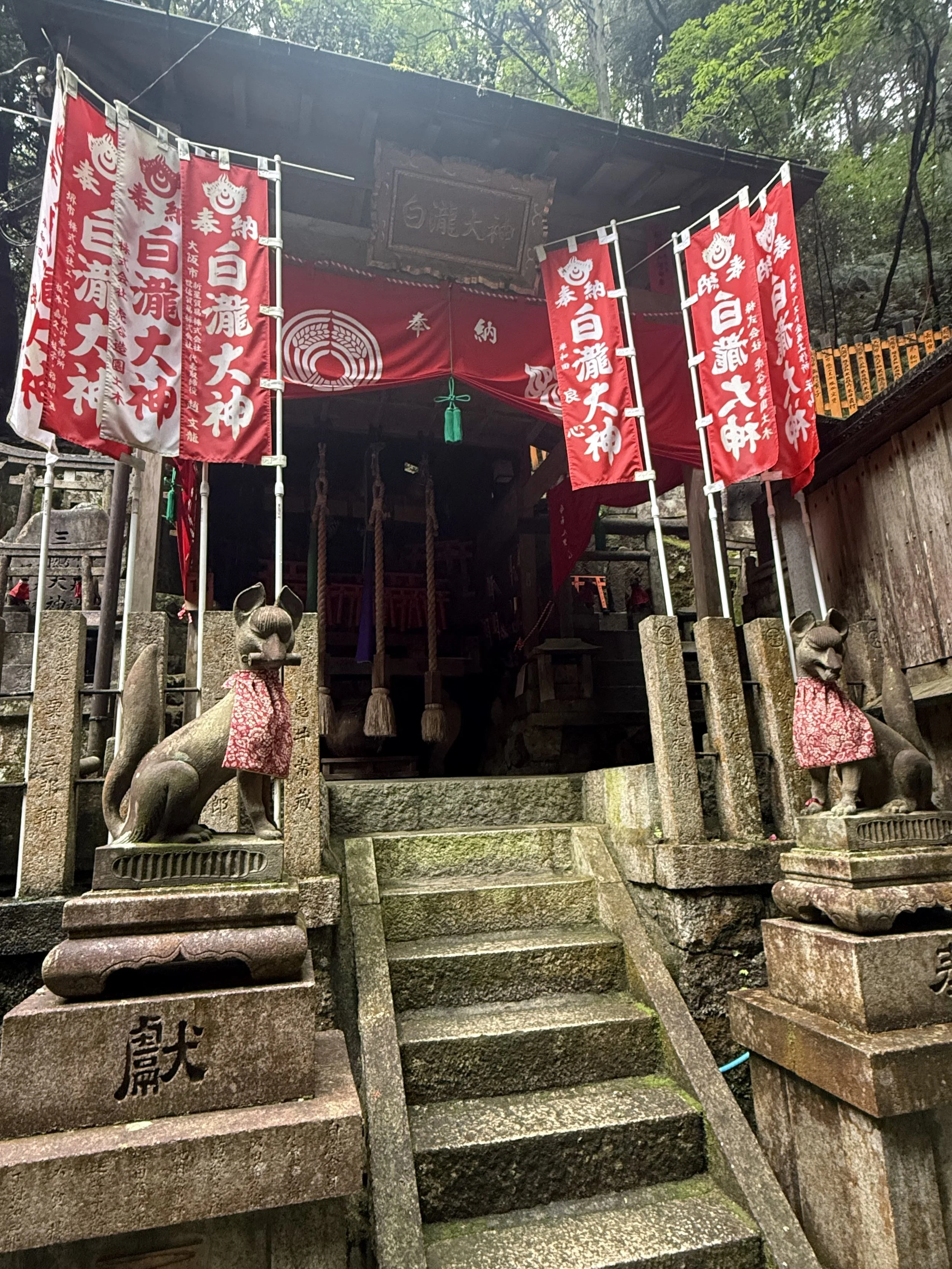
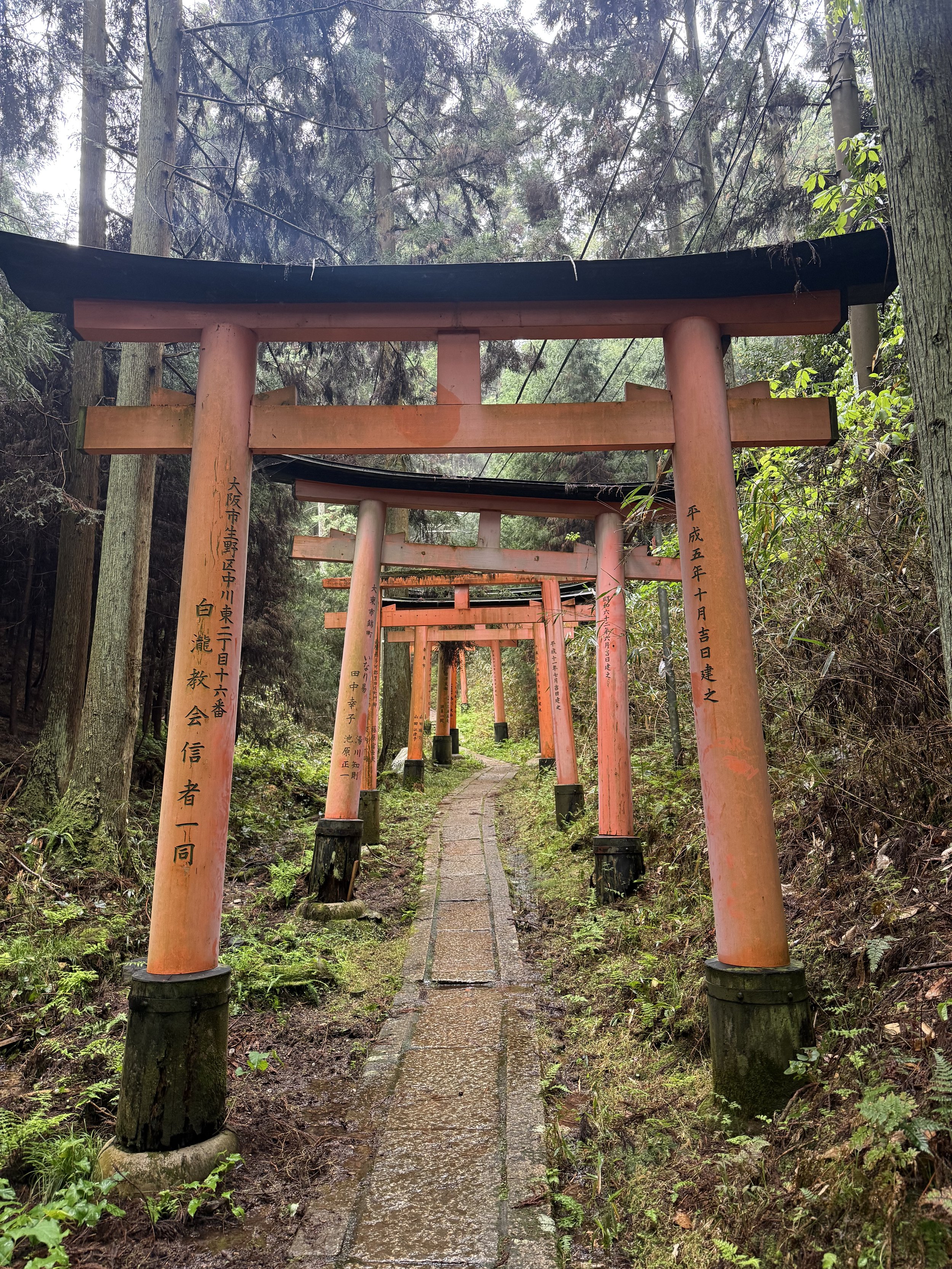
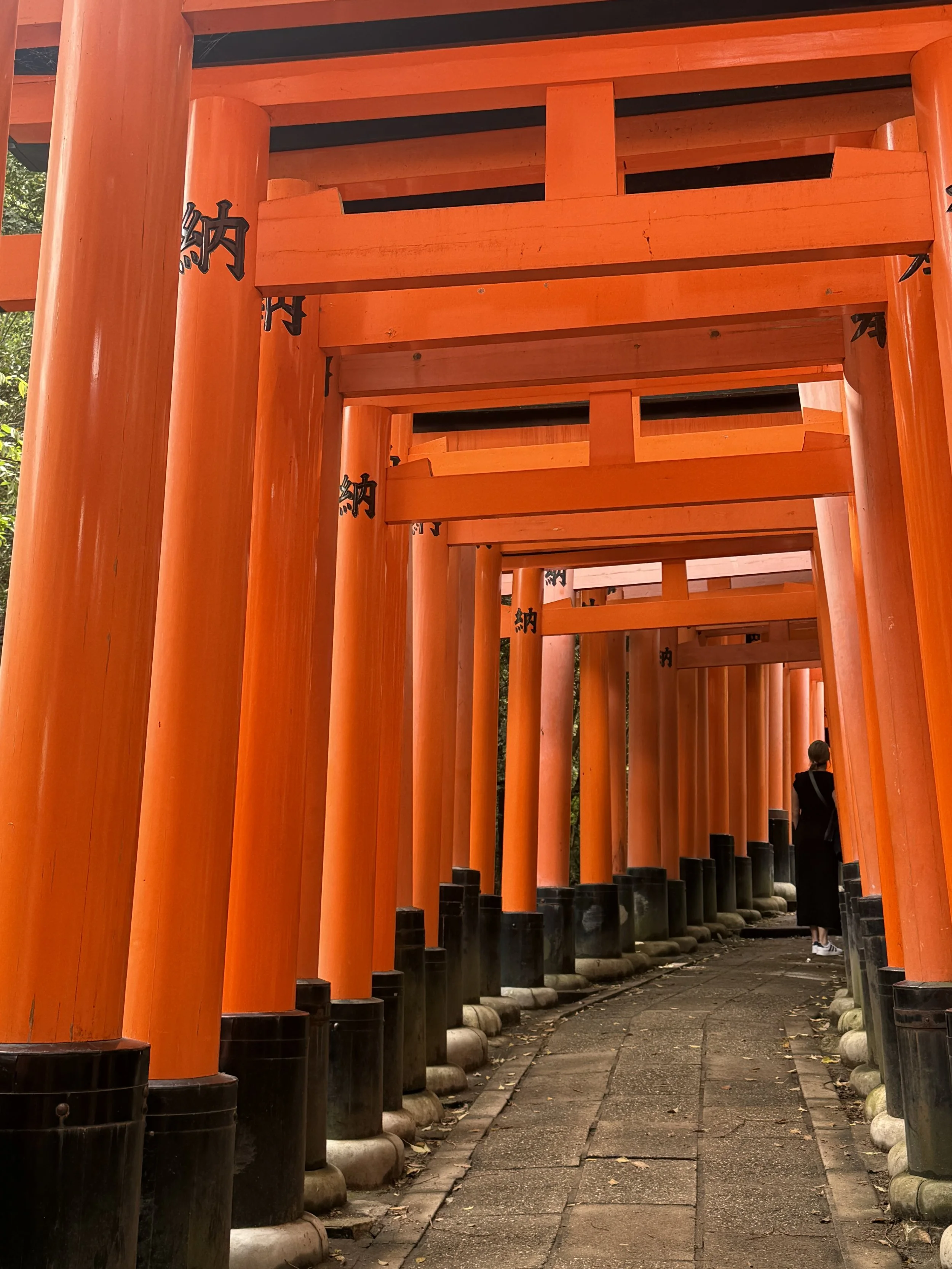
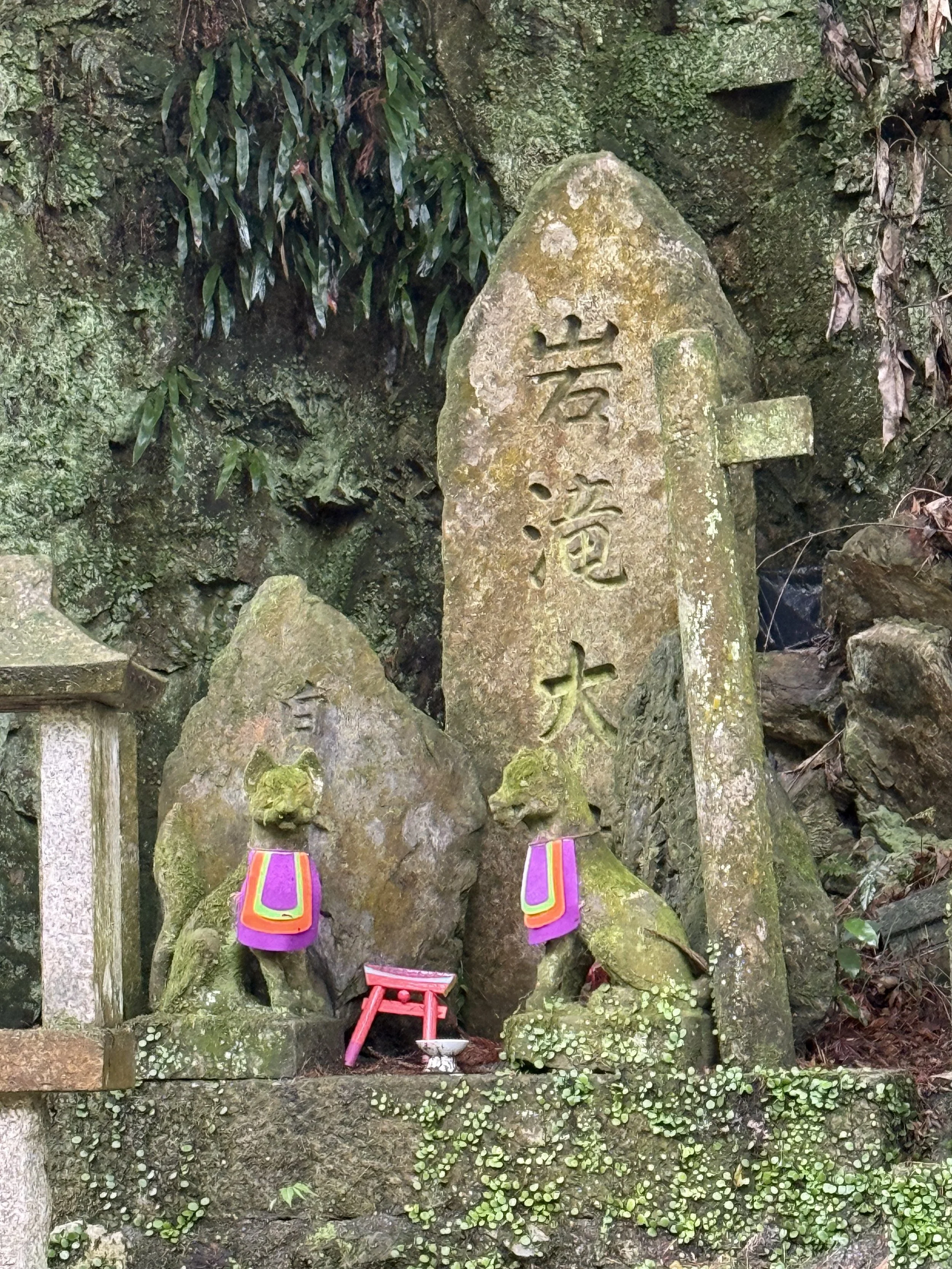
Morning: Fishimi Inari Taisha (early morning) Fushimi Inari-taisha (Japanese: 伏見稲荷大社) is the head shrine of the kami Inari, located in Fushimi-ku, Kyoto, Kyoto Prefecture
Torii Gate Walk (as far as we like) The Fushimi Inari Shrine torii gate walk in Kyoto is a famous 2.7 to 4 km hike up Mount Inari, featuring thousands of vermilion gates. It takes 2-3 hours to complete the full loop to the summit (233 meters) and back. Open 24/7 with free entry, it is best visited early morning (before 8 AM) to avoid crowds.
Afternoon: Traditional Streets of Gion, Kyoto’s premier, historic geisha district, is renowned for its well-preserved, narrow streets lined with machiya (traditional wooden merchant houses), exclusive ochaya (tea houses), and, in some areas,, red-lantern-lit alleys.
Optional other things to do include Philosopher’s Path (late afternoon) This scenic path follows cherry-tree lined canal and is named after a Kyoto University philosopher, Kitaro Nishida, who used it for his daily walk. Maruyama Park (night blossom & lanterns) Gion, Kyoto’s premier, historic geisha district, is renowned for its well-preserved, narrow streets lined with machiya (traditional wooden merchant
Day #11: Kyoto - Arashiyama Nature Park, Temples & Market
Hotel: Hotel Hunkyu RESPIRE OSAKA
Early morning: Bike to Arashiyama Bamboo Grove (this was a little bit of a letdown)
The Bamboo Forest, Arashiyama Bamboo Grove, or Sagano Bamboo Forest is a natural bamboo forest in Arashiyama, Kyoto, Japan. It consists mostly of mōsō bamboo and has several pathways for tourists and visitors.
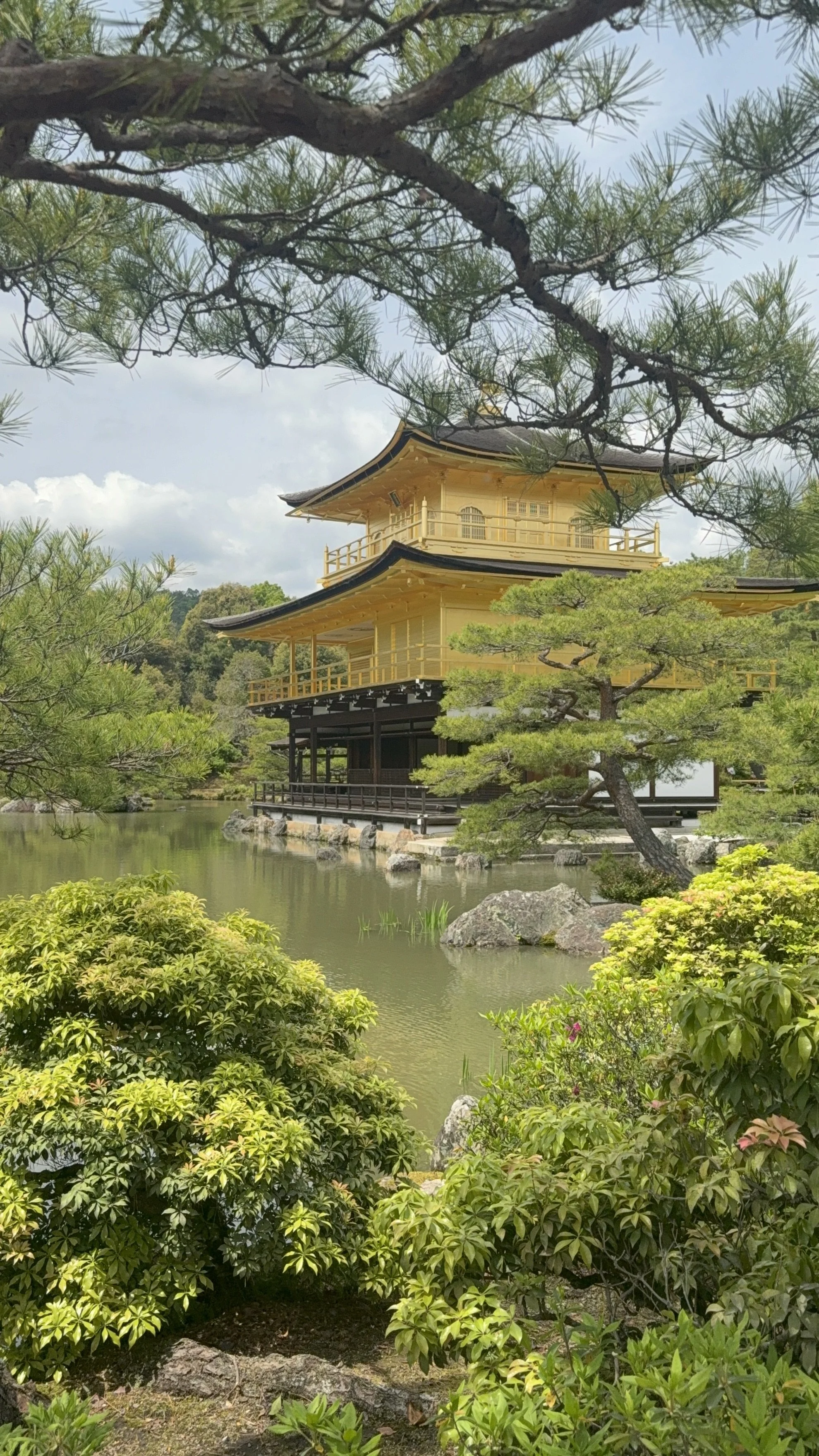
Kinkakuoji Golden Pavillion - Kinkaku-ji, officially named Rokuon-ji, is a Zen Buddhist temple in Kyoto, Japan and a tourist attraction. It is designated as a World Heritage Site, a National Special Historic Site, a National Special Landscape, and one of the 17 Historic Monuments of Ancient Kyoto.
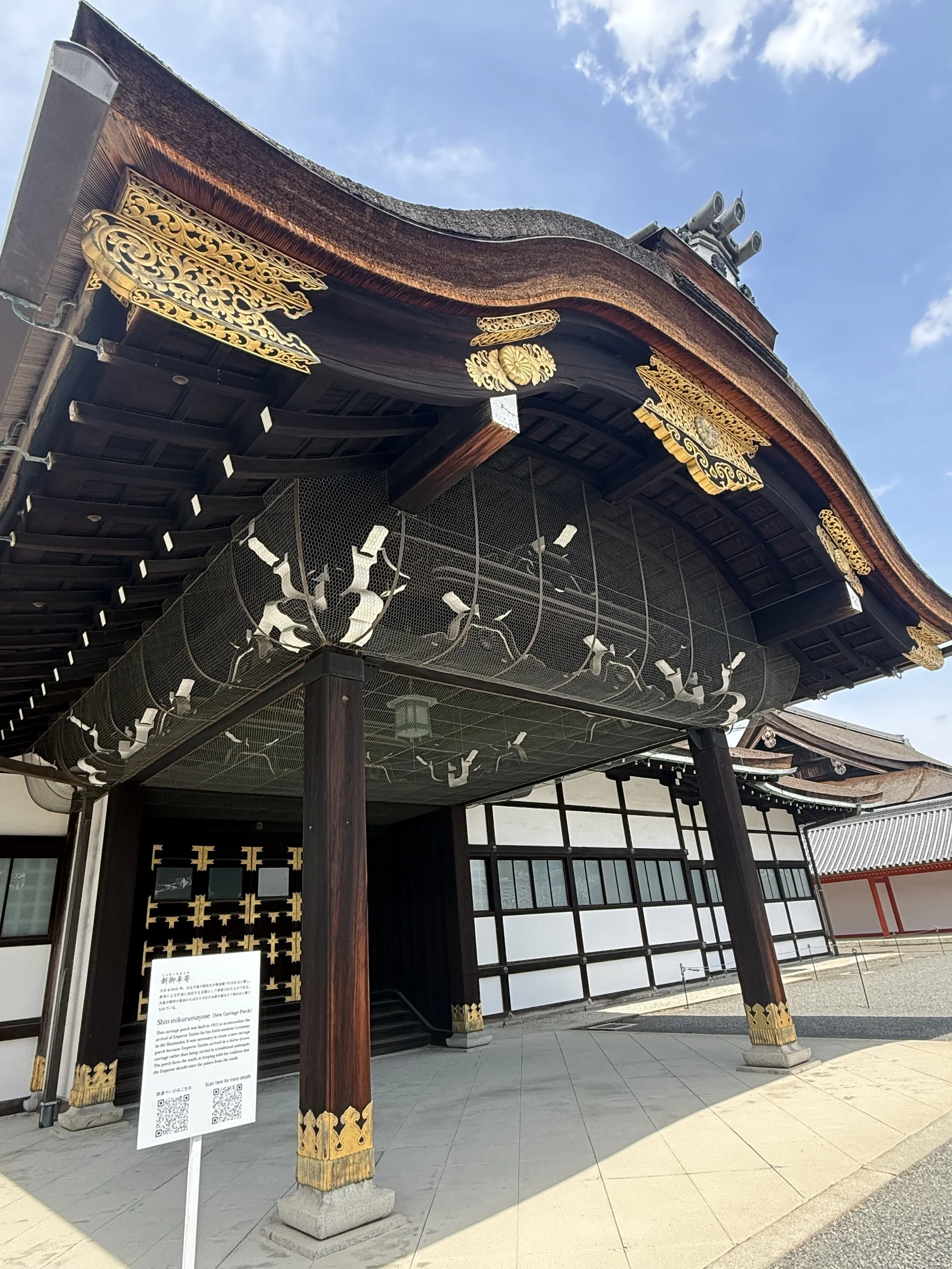
Kyoto Imperial Palace - The Kyoto Imperial Palace (Kyoto-gosho), located in Kyoto's Kamigyō-ku, was the former residence of Japan's Emperor from 1331 until 1869, when the capital moved to Tokyo. Situated within the vast Kyoto Imperial Park, the current 1855, reconstruction offers visitors a glimpse into traditional aristocratic architecture and serene gardens. Free to enter, it features historic, non-enterable buildings like the Shishindenand is accessible via the Karasuma Subway Line.
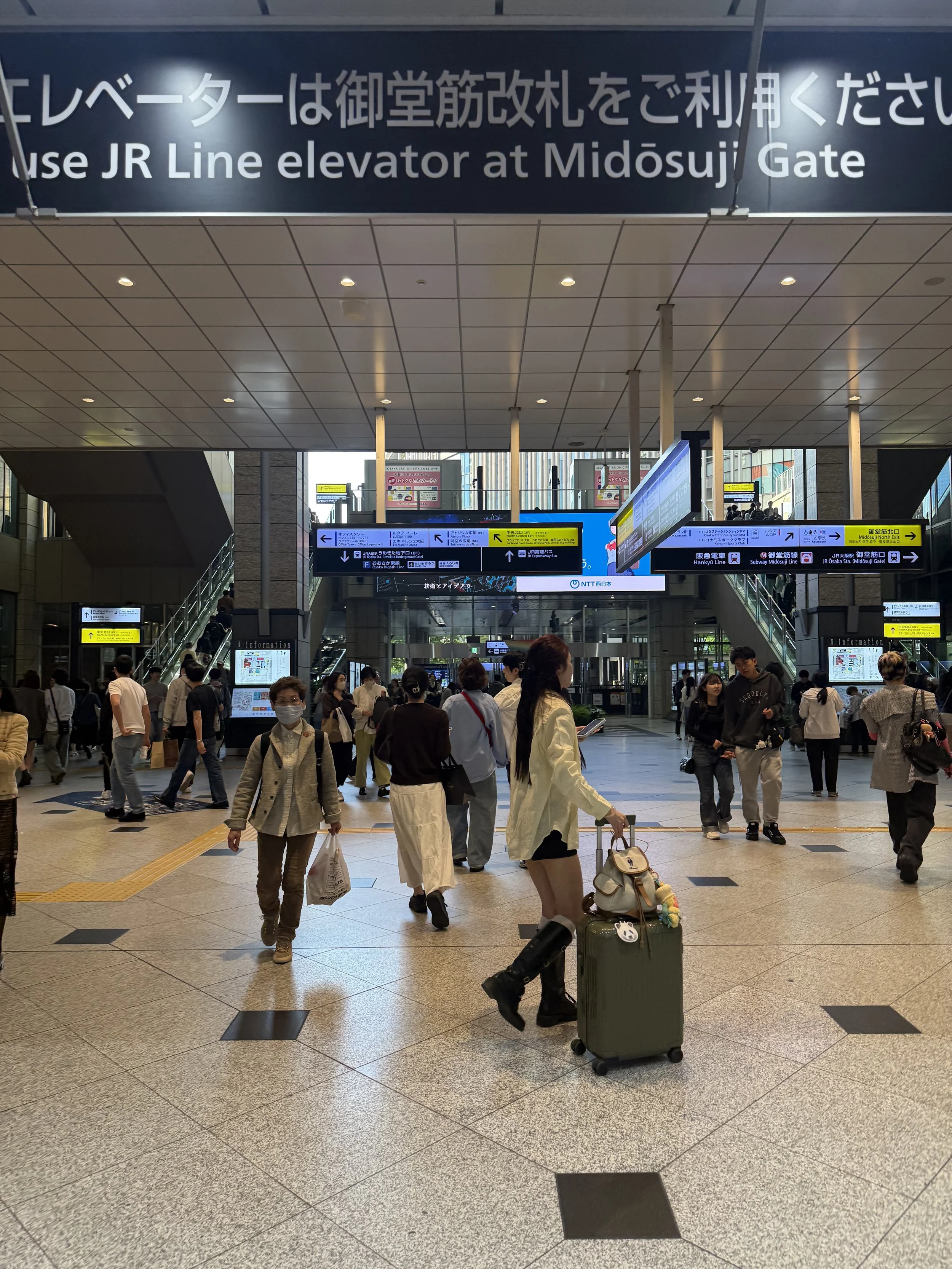
Afternoon: TRAIN to Osaka (buy on the day - 14:00 arrive 14:30)
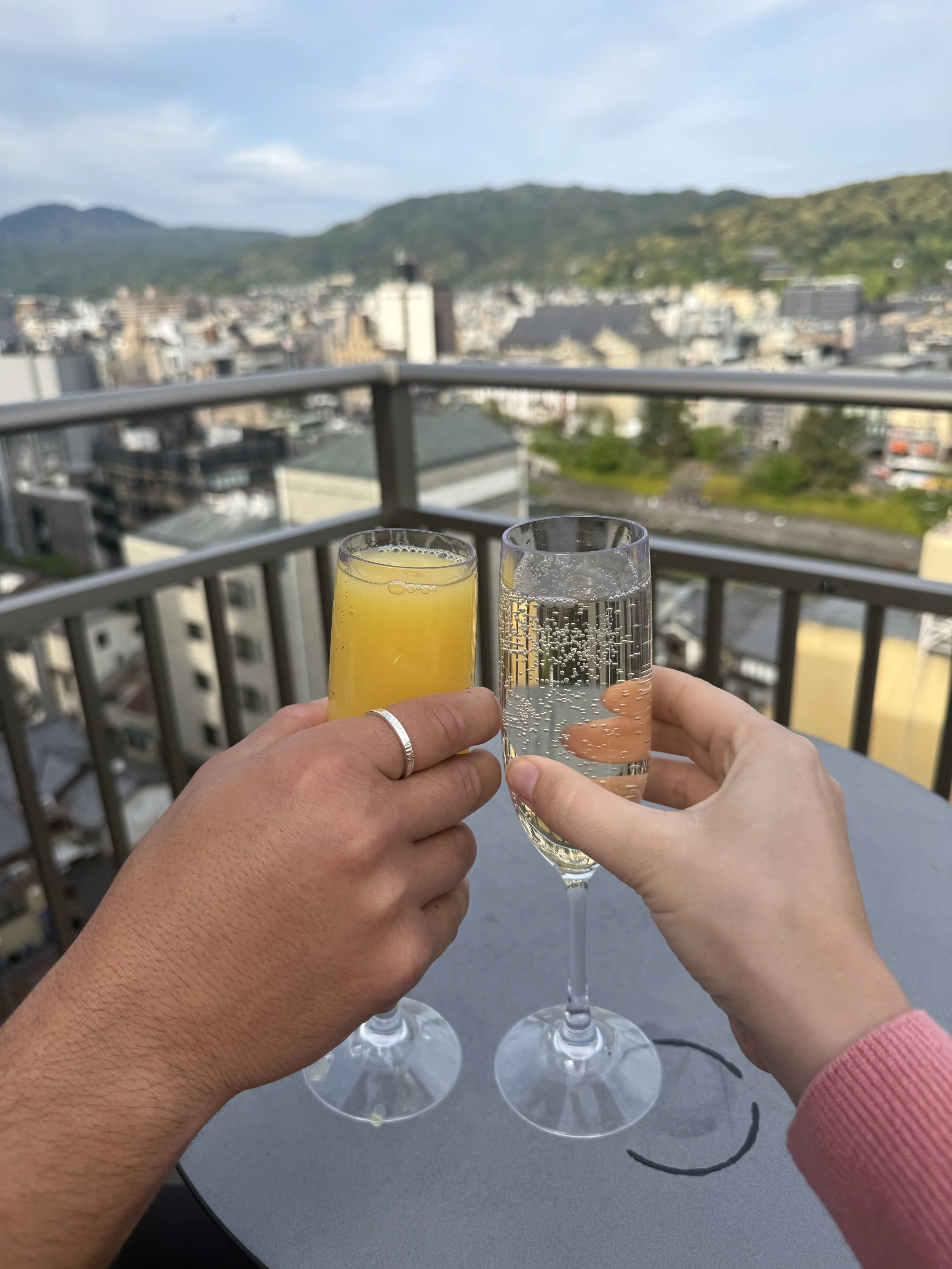
Kyoto was so much fun to explore, especially on the electric bikes.
Day #12: Osaka
Stay: Hotel in Osaka
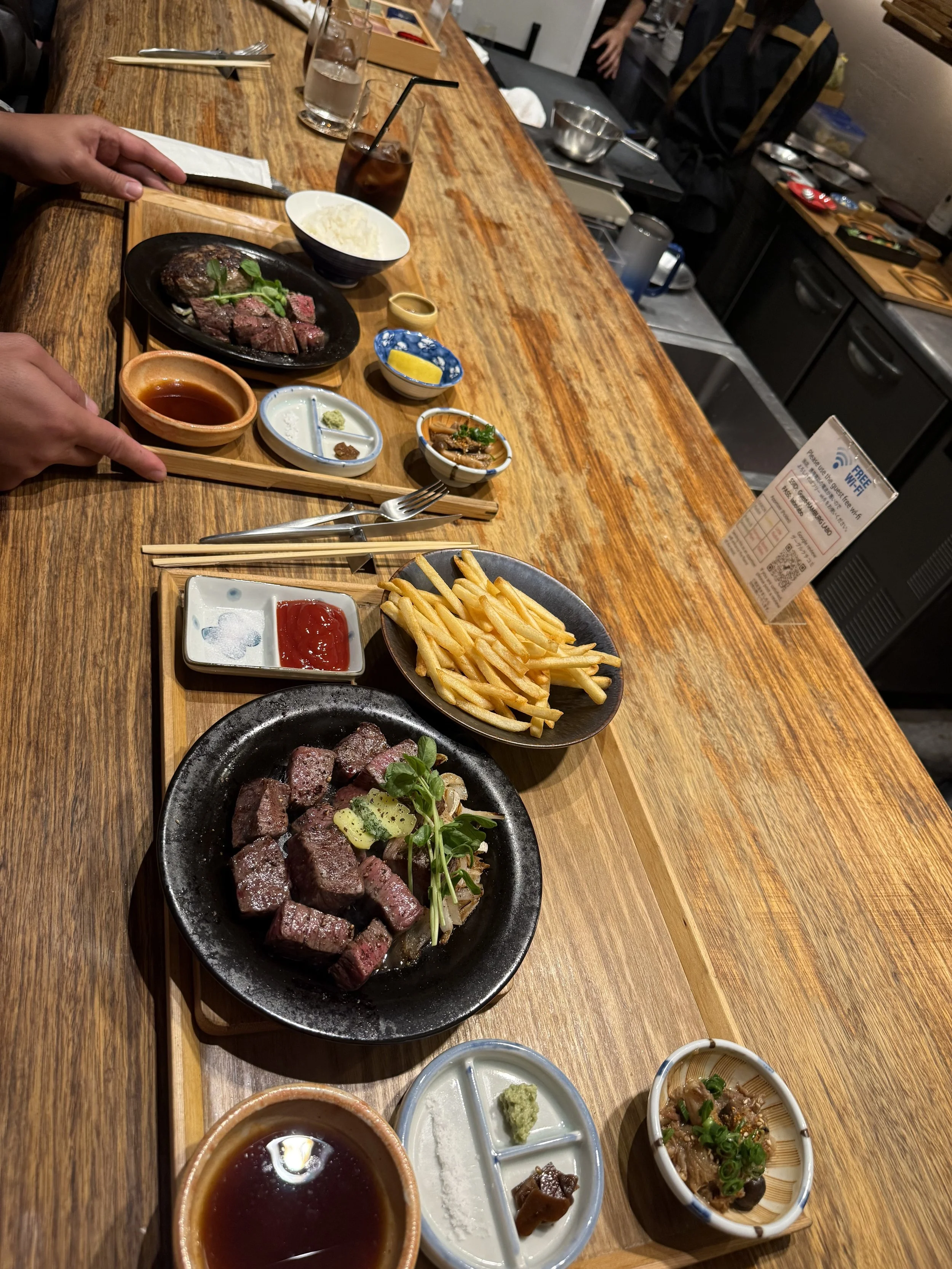
Morning: Kuromon Market - The market has about 150 shops that predominantly sell fish, meat and produce, this is the perfect place to find very good sushi.
Namba Yasaka Shrine is a small shrine featuring a ritualistic performance stage in the shape of a lion's head.
Shinsaibashi-suji is Osaka's premier 600-meter covered shopping arcade, acting as a bustling, historic retail hub for over 380 years.
Afternoon: Shinsekai is a vibrant, nostalgic district in southern Osaka developed in 1912 with a "New World" concept, featuring Paris-inspired streets in the north and Coney Island-inspired amusement in the south. It is famous for the 103-meter Tsutenkaku Tower, bustling Janjan Yokocho alley, and signature kushikatsu (deep-fried skewers).
Tsutenku Tower (night) The 103-meter-tall Tsutenkaku Tower in Osaka’s Shinsekai district is a vibrant landmark known for its nighttime neon illumination, which changes colors monthly. Located in a bustling, nostalgic area, it offers panoramic night views from its 4th and 5th-floor observation decks until 8:00 p.m. (last entry 7:30 p.m.)
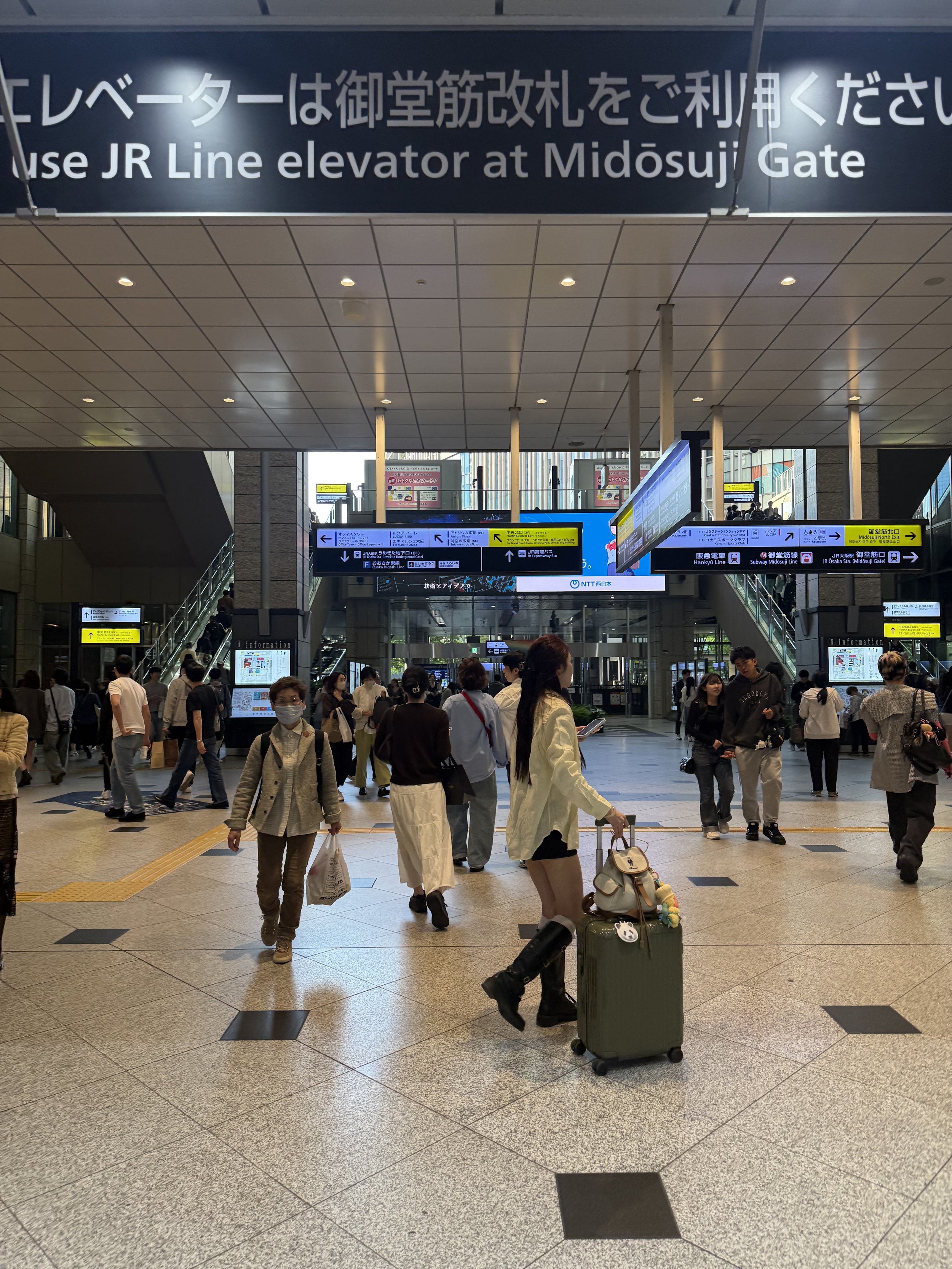
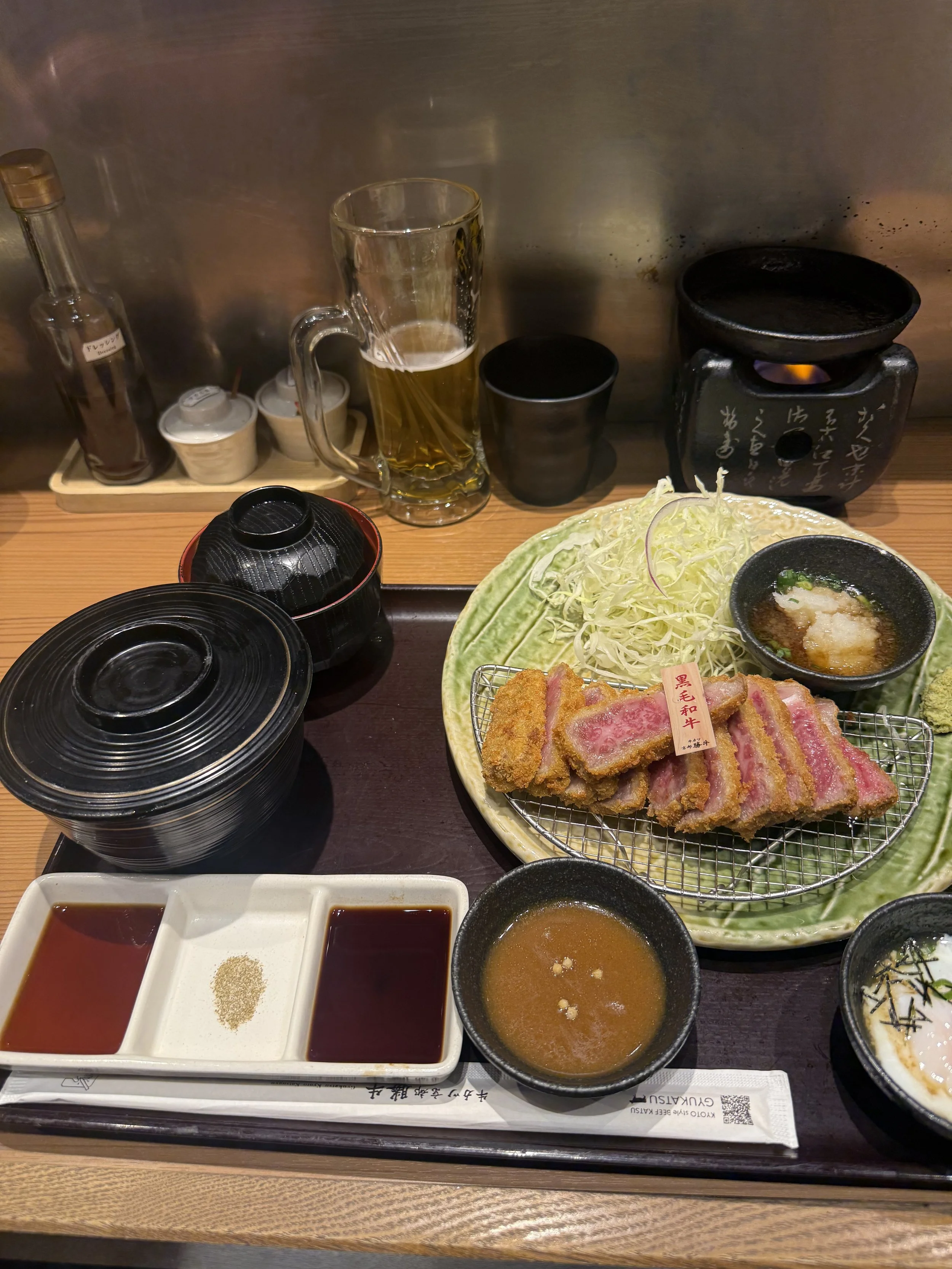
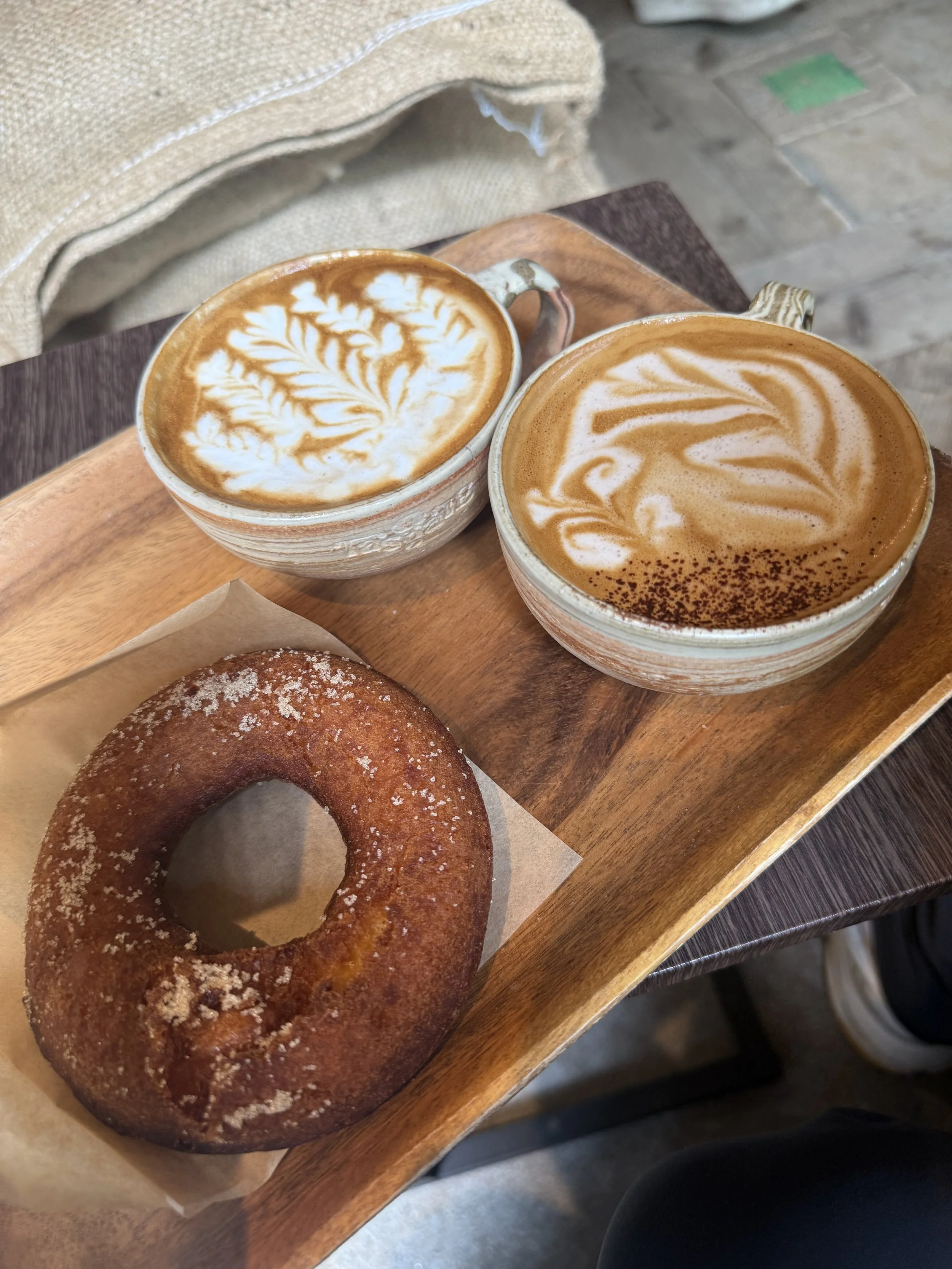
By this point of the trip we were exhausted so we went for a run in the morning, did some shopping and ate some yummy food. I’ve kept in the planned itinerary above just incase you have more energy than us.
Day #13: Osaka & Tokyo
Morning: Early morning bullet train to Tokyo (pre-booked)
Afternoon: Flight at 13:05