13 Things to know before travelling to Japan
Japan is one of those places that can feel slightly overwhelming to plan. The trains look complicated, there are lots of little etiquette rules and you constantly read about things you should or shouldn’t do. I know we spoke to friends before travelling, and they were so helpful in helping us understand what should be a priority and what is not actually that important.
We love travelling and we try so hard to fit into the culture of where we are, and be respectful, but sometimes it’s so hard to know what will offend someone if you don’t spend 5 minutes researching.
I’ve tried to make this as snappy and to the point as possible because I know how busy everyone is with life.
So, if you’re planning your first trip to Japan, here are 13 things we would like to share with you:
There are hardly any bins!
This sound crazy for such a clean place, but people in Japan are raised to take personal responsibility for their waste and carry it home or to their hotel. This can be a big inconvenience if you’re not prepared, we made sure we had a plastic back in our rucksack at all times. This also ties into number 2.
Don’t eat while walking
Generally, eating while walking isn’t considered particulary good etiquette. If you grab some street food or something from a 7-eleven, make sure you stop and eat it before carrying on. Sometimes you’ll see bins outside shops like 7-eleven for this very reason.
Covering your tattoos
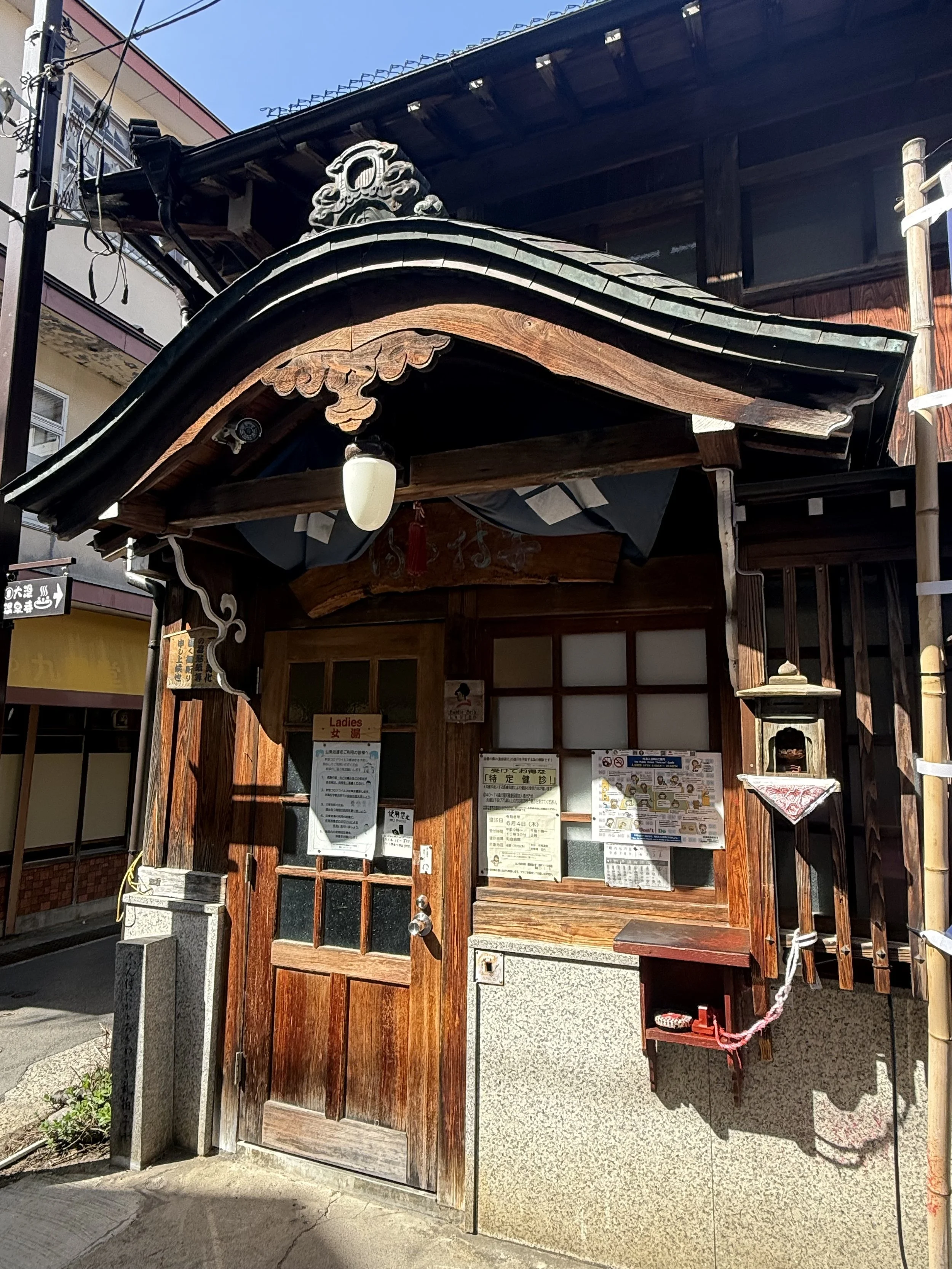
Before travelling to Japan, we were told that tattoos can still be considered taboo due to their historical association with organised crime. Taking this seriously, my partner bought an arm cover for his tattoo, so that he could cover it up when needed. While there is some truth to this, attitudes are clearly changing, particularly in cities like Tokyo, Osaka and Kyoto, where tattoos are increasingly common. In smaller towns however, covering them is a respectful gesture, especially when visiting bathhouses or onsen, where tattoo rules can be stricter. You will see signs in the bathhouses and onsens in places like Shibu Onsen clearly saying ‘no tattoos allowed’.
Google Maps if your BEST friend
We genuinely don’t know what we would have done without Google Maps. Japan’s train system looks absolutely ridiculous when you first start researching it, particularly in Tokyo. In reality, Google Maos makes it so much easier. It tells you the train, departure time, platform, transfers and often even which station exit you need. It’s also amazing at directing you from A to B when walking around a new city!
Book your trains early if you know your itinerary
You don’t need to book every train before you arrive in Japan, but if you know exactly when you’re travelling between cities, we found it much easier having some of the bigger journeys sorted beforehand, and knowing we have a seat reservation was reassuring. (sometimes on the busier trains it can be hard to find a seat). We used Klook for our train bookings as it allowed us to book 90 days ahead of tickets being released instead of the standard 30 days.
Hire an electric bike
One of the best things we did in Japan was use the Luup bikes, these are just like Lime bikes in London or any other city where you download an app, and then off you go. We were able to use electric bikes in Tokyo, Kanazawa and Kyoto and they were such a good way to explore more without spending half the day on trains and buses. You can find more information here or you can ask your hotel, they will be happy to help.
Don’t tip
This is especially for anyone from America reading this, please don’t think you’re being kind adding the standard 18 or 20 percent. This can feel SO strange, especially when you’ve had amazing service, but tipping isn’t customary in Japan. In restaurants, hotels and taxis, you generally just pay the amount you’re given on the bill. The Japanese hospitality culture runs on a deep-rooted culture of selfless hospitality where workers take immense price in doing their job perfectly.
Trains during rush hour get SERIOUSLY crowded
If you’re on a train during rush hour in Tokyo, you are likely to be packed in like a sardine in a can. We were honestly so surprised to be pushed and compacted so much, we even lost each other on one train because the crowds pushed so much. That said, on some trains and subway lines, you’ll see women only carriages, usually operating during busy weekday rush hours. These carriages were introduced to give women an alternative during the businest periods and help tackle incidents of unwanted touching on packed trains. That doesn’t mean you need to avoid the trains, we used them throughout our trip without any concerns, we just tried to avoid rush hours.
Be prepared to WALK…LOTS!
We honestly don’t know how we managed to clock up so many steps in Japan, but we did. Between sightseeing, shopping, wandering around markets, finding places to eat and exploring different neighbourhoods, the miles add up without you ever realising. I’m sure we got up at 7am most days, and we were in bed fast asleep by 9:30 everyday. I think there is just so much to see, you find yourself wanted to spend the whole day exploring. So we highly recommend comfortable shoes!!
Leave space in your suitcase, or bring an extra bag
Japan is an absolute danger zone for shopping. Between Don Quijote, Uniqlo, souvenirs, skincare, snacks and all the random things you suddenly decide you need, it’s very easy to come home with a lot more than you arrived with. We saw people buying extra suitcases just to take everything home! So if you know you’re going to shop. leave some space in your suitcase or at least check your airline baggage allowance before you go.
Yes….there are BEARS!
Something we hadn’t really thought about before Japan was there there are wild bears in the mountainous areas. It wasn't until I was out on a run in Shibu Onsen thinking about the world, and then I started to wonder what wildlife was around, so I went on Google!! To my shock, I discovered there are bears and I should not be out in the middle of no-where alone, thankfully I wasn't far out of the main town area, so I headed back quickly. Please don’t make the same mistake!
We are not saying avoid areas like this, Takayama and Kanazawa, we are just saying be prepared and pay attention to warning signs. If you are in an area where bears are active, follow the official advice. Here's a blog on bear safety in Japan, there will be other sources online, so make sure you do some research. Typical they say you should make a lot of noise, carry a bear bell and be in a group, amongst other things.
Learn a few etiquette rules
You definitely don’t need to know every rule before visiting Japan, but there are a few worth knowing.
Don’t stick your chopsticks upright in rice or pass food directly from chopsticks to chopsticks, keep your voice down on public transport, queue properly and take your shoes off when required. You’ll also notice bowing everywhere! You don’t need to master the perfect bow, a small bow or nod when you say hello or thank you (arigato) goes a long way.
Most of it is just about being respectful, and you’ll quickly pick things up by watching what everyone else is doing.
Be prepared for ALL weather
Japan’s weather can vary massively depending on when and where you’re travelling. We went in April and had everything from lovely spring sunshine to much colder and wet weather in the mountains, so layers are your best friend.
Japan is consistently ranked amongst the safest places in the world, and millions of travelers visit each year with complete peace of mind. That said, Japan is prone to earthquakes, typhoons and heavy rain. Make sure you check local forecasts and alerts, and know what to do if something does happen.
The Safety tips app is an official, free disaster-alert smartphone app developed under the supervision of the Japan Tourism Agency to help travelers and foreign residents stay safe during emergencies
There are a lot of little things that are different about travelling in any country, but that’s what makes it so amazing and why we keep traveling new places.
We absolutely loved our two weeks there and came home feeling like we’d only scratched the surface. Hopefully sharing these will help make your trip a little bit easier.
We hope you have the best time!